
Table of Contents
What Are WhatsApp Business Bots?
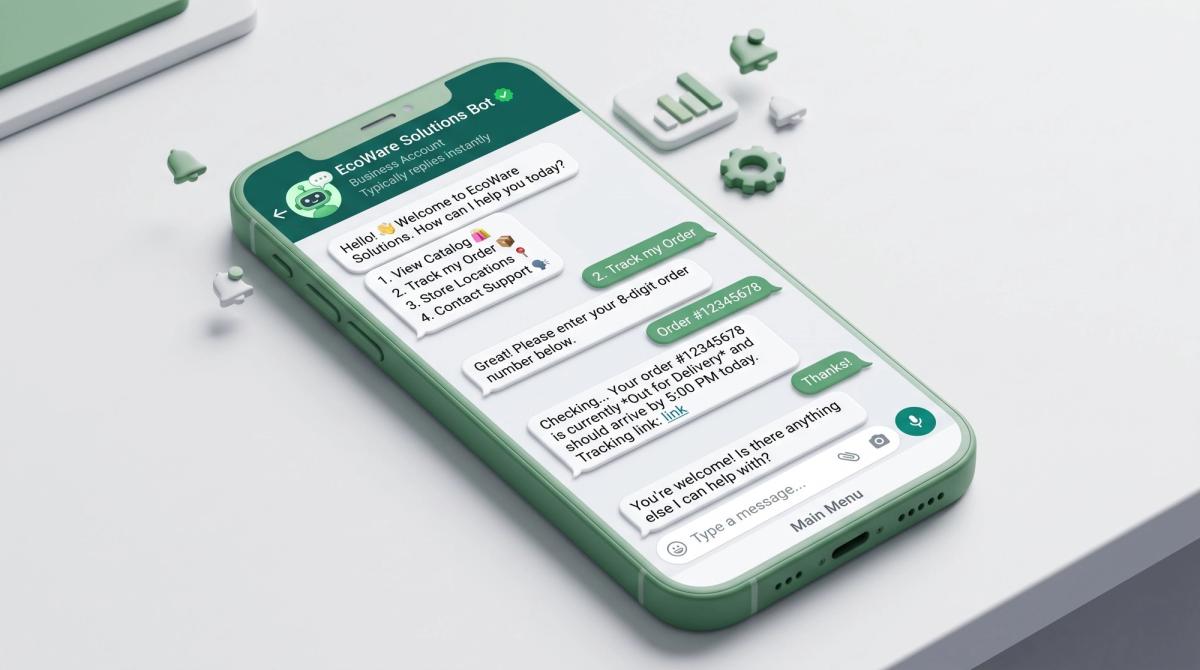
A WhatsApp Business bot is a software program that automatically sends and receives messages on WhatsApp on behalf of a business. Instead of a human agent typing every reply, the bot uses pre-built conversation flows or AI to answer questions, qualify leads, share product catalogues, book appointments, and even process payments all inside the WhatsApp chat window your customers already use every day.
These bots run on top of the WhatsApp Business API (also called the WhatsApp Business Platform), which is different from the free WhatsApp Business App most small shop owners use. The API is built for companies that need to send and receive messages at scale, connect WhatsApp to a CRM, and automate large parts of a customer journey.
For a global audience, the scale is hard to ignore: WhatsApp has over 2 billion users across more than 180 countries, and it's the default messaging app in markets like India, Brazil, and much of Europe and Latin America. That reach is exactly why businesses are investing in AI-powered chatbot systems built specifically for this channel.
Why WhatsApp Business Bots Matter Now
Three shifts are driving adoption:
- Customers expect instant replies. Email response times of 24–48 hours no longer meet expectations shaped by real-time messaging.
- Support teams are stretched thin. Automating repetitive, high-volume questions (order status, store hours, pricing) frees human agents for complex issues.
- Messaging converts better than forms. A WhatsApp conversation has dramatically higher open and response rates than email, making it a strong channel for both support and sales.
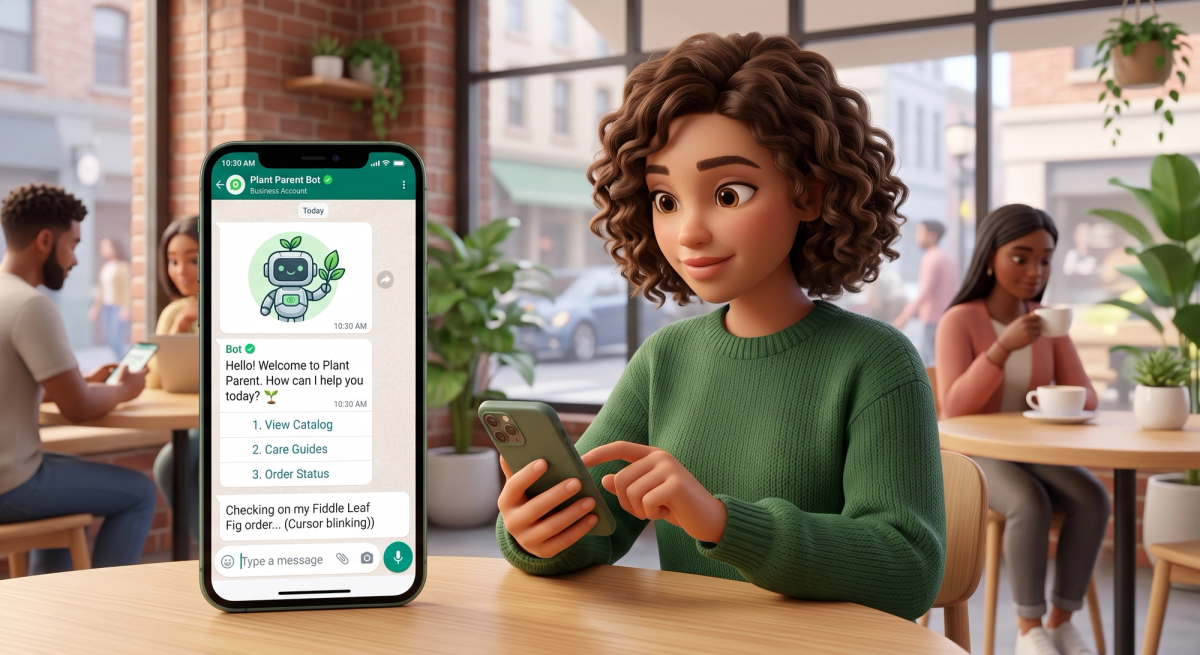
For CTOs and product managers, this translates into a measurable cost-per-resolution reduction. For marketers, it means a new, high-engagement channel for lead nurturing. For developers, it's a well-documented API with clear webhook-based architecture worth understanding.
How WhatsApp Business Bots Actually Work
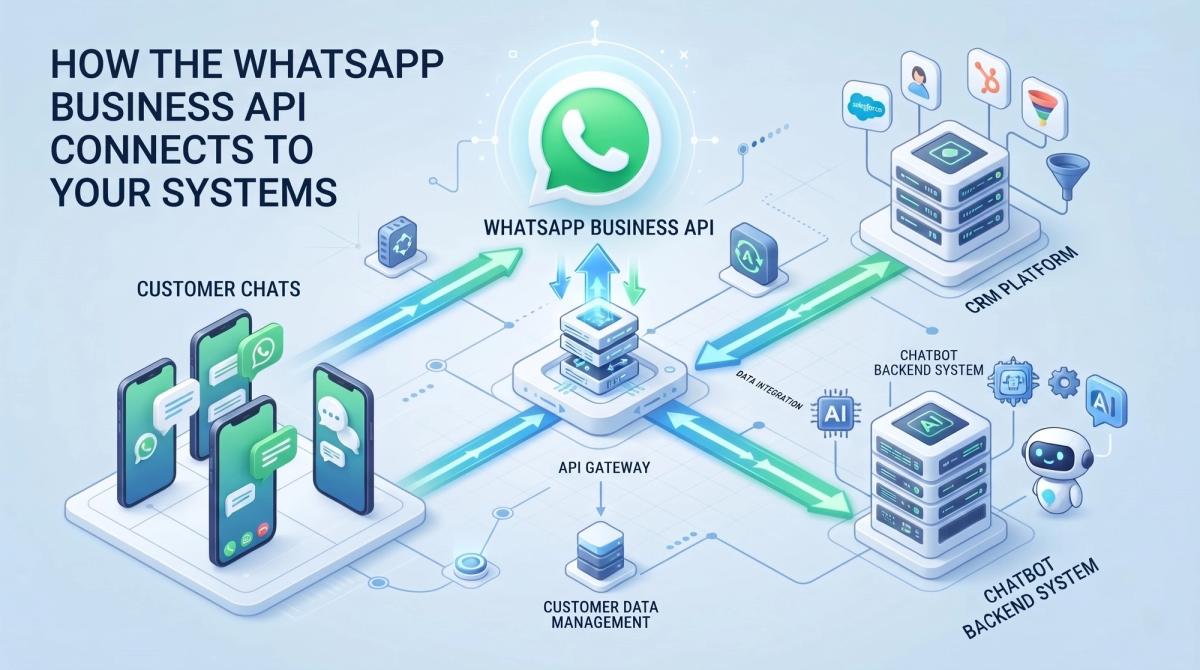
At a technical level, a WhatsApp Business bot sits between three components:
- The WhatsApp Business API, provided directly by Meta or through a Business Solution Provider (BSP) like Twilio, 360dialog, or Gupshup
- A bot engine or middleware, which processes incoming messages, matches intents, and decides how to respond
- A back-end system, such as a CRM, order management platform, or ticketing tool, that the bot reads from and writes to
When a customer sends a message, it arrives via webhook to the bot engine. The engine either matches it to a pre-set menu option ("rule-based" bot) or processes it through natural language processing (NLP) to understand intent ("AI-powered" bot). The bot then triggers an appropriate response a text reply, a product carousel, a payment link, or a hand-off to a live agent.
Well-architected bots are built as part of a broader AI workflow and automation strategy, where the WhatsApp bot is one node connecting to inventory systems, booking calendars, or support ticketing not an isolated script.
Core Features to Look For
A capable WhatsApp Business bot typically includes:
- Automated FAQs and quick replies for common, repetitive questions
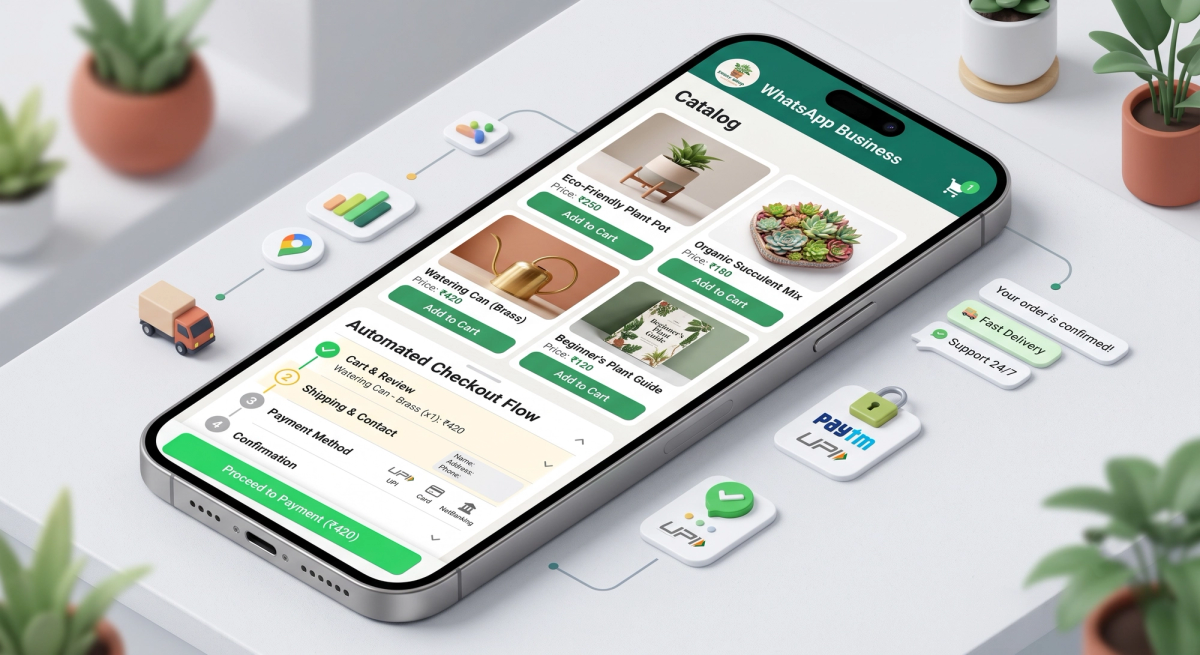
- Rich media messaging - images, PDFs, location pins, and product catalogs
- Interactive buttons and list menus so users tap instead of type
- Appointment and order scheduling, integrated with a calendar or booking system
- Payment integration for in-chat checkout in supported markets
- CRM and help-desk sync, so every conversation is logged against a customer profile
- Human hand-off, so complex queries route smoothly to a live agent
- Broadcast and drip campaigns for opted-in customers, often tied into a business's wider performance marketing efforts through click-to-WhatsApp ads
Rule-Based vs. AI-Powered Bots
It's worth being precise here, since the two are often conflated:
Rule-based bots follow a fixed decision tree "Press 1 for Sales, Press 2 for Support." They're fast to build, predictable, and cheap to maintain, but they break down when a user's question doesn't fit the script.
AI-powered bots use NLP and, increasingly, large language models to understand free-form text, hold context across a conversation, and generate more natural responses. They require more setup training data, intent design, testing but handle ambiguity far better and scale to more complex use cases like technical troubleshooting or multi-step sales conversations.
Most production systems today use a hybrid model: structured menus for common paths, with an AI layer that takes over when the conversation moves outside the predefined flow.
Use Cases Across Industries
E-commerce: Bots show product catalogues, answer sizing or shipping questions, recover abandoned carts, and send order updates. Many online stores built through an e-commerce development project now treat WhatsApp as a primary conversion channel rather than an afterthought.
Ed-tech: Institutes automate admissions FAQs, course reminders, and fee payment nudges, reducing counsellor workload while keeping response times low.
Healthcare: Clinics automate appointment booking, prescription reminders, and basic triage questions, while routing anything sensitive to a human.
Real estate: Bots qualify leads by budget and location before a human agent ever gets involved, cutting down time spent on unqualified inquiries.
B2B SaaS: Bots handle first-line support, collect bug reports with structured fields, and schedule demo calls directly in the chat.
Building a WhatsApp Business Bot: The Practical Steps
- Get verified WhatsApp Business API access through Meta directly or a BSP this involves business verification and a display name review.
- Define your use cases first. Support deflection, lead qualification, and sales each need a different conversation design.
- Map the conversation flow before writing any code - decision trees, fallback paths, and escalation points.
- Choose your architecture: rule-based, AI-powered, or hybrid, based on query complexity and budget.
- Integrate with existing systems CRM, inventory, calendar, or payment gateway so the bot isn't just answering questions but actually completing tasks.
- Test extensively with real user phrasing, not just the questions you expect.
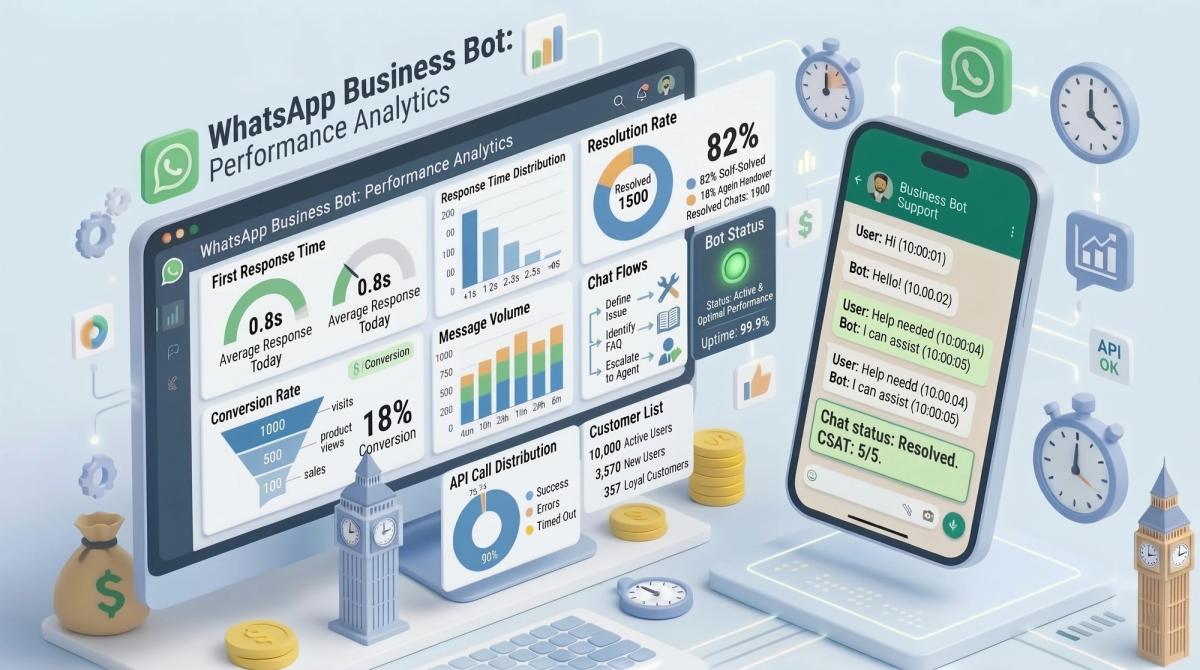
- Set up analytics to track response time, containment rate (queries resolved without a human), and conversion rate.
- Plan for human handoff so frustrated or complex cases never get stuck in a loop.

Teams without in-house bot development capacity typically partner with a firm offering dedicated AI chatbot services to handle API onboarding, flow design, and ongoing optimization since WhatsApp's API policies and message-template approval process can be a genuine barrier for teams building this for the first time.
Common Challenges and How to Avoid Them
- Overly rigid flows that frustrate users who don't fit the expected path mitigate with a fallback-to-human option at every stage.
- Ignoring message template approval rules. WhatsApp requires pre-approved templates for business-initiated messages outside the 24-hour customer service window; plan template submissions early.
- Treating the bot as "set and forget." Bots need regular review of failed intents and conversation drop-off points.
- Poor integration with backend data, which leads to bots giving outdated stock or pricing information.
- No opt-in strategy for marketing messages, which risks spam complaints and account restrictions.
Measuring Success
Track these metrics rather than vanity numbers like total messages sent:
- First response time
- Containment rate (percentage resolved without human intervention)
- Conversion rate from bot conversation to purchase or booking
- Customer satisfaction (CSAT) on bot-handled conversations
- Escalation rate to human agents
These numbers connect directly to ROI conversations with leadership, which matters when a CTO or product manager is justifying the automation budget.
WhatsApp Bots and Your Wider Marketing Strategy
WhatsApp bots work best when they're not siloed. Pairing them with social media marketing using Instagram or Facebook ads with a "message us" click-through creates a low-friction path from ad impression to a live conversation, often converting better than a traditional landing page.
What's Next: From Chatbots to AI Agents
The next evolution beyond scripted or NLP-based bots is the AI agent, a system that doesn't just answer a single question but can autonomously complete multi-step tasks (checking order status, processing a return, and issuing a refund confirmation, all in one conversation). If you want to understand this shift in more depth, our guide on AI agents covers the architecture and enterprise adoption patterns driving this change.
Final Thoughts
WhatsApp Business bots have moved from novelty to necessity for companies serious about customer experience. Done well, they cut response times, reduce support costs, and open a genuinely high-conversion sales channel all on a platform your customers already check dozens of times a day. Done poorly, they frustrate users and damage trust.
The difference usually comes down to planning: clear use cases, a realistic architecture choice, solid backend integration, and a human safety net. If you're evaluating whether a WhatsApp bot fits your business, get in touch with our team to scope out a build that fits your actual customer journey rather than a generic template.
Related Articles
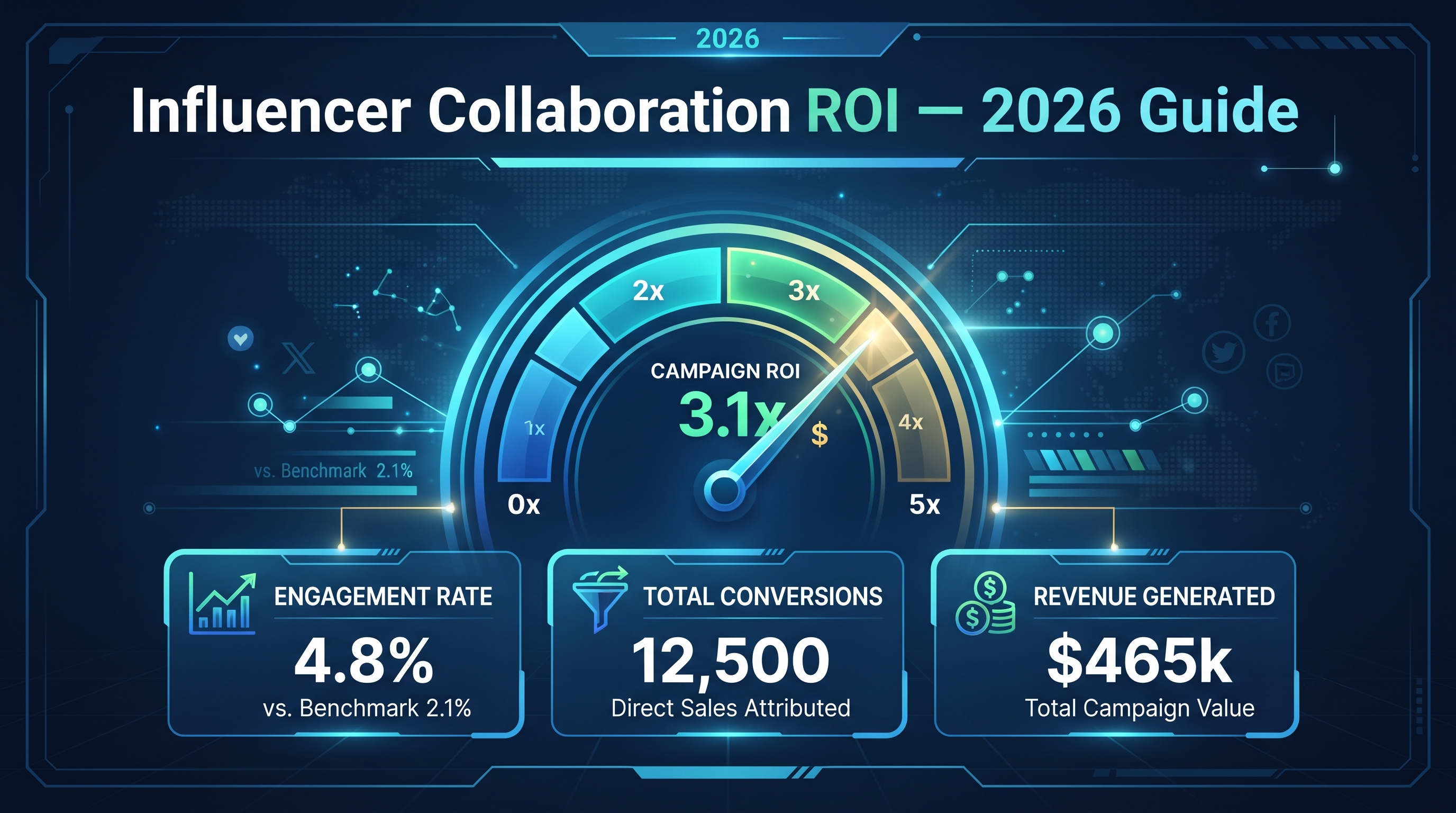
Influencer Collaboration ROI: How to Measure It (2026 Guide)
A practical guide to calculating and improving influencer collaboration ROI covering the ROI formula, key metrics, tracking setup, and common measurement mistakes.
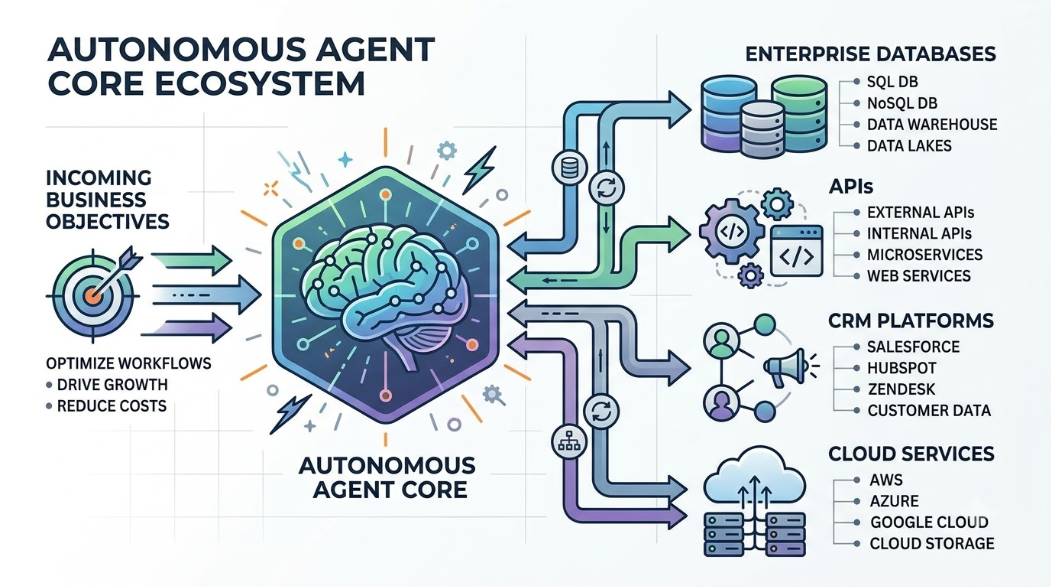
What Are AI Agents? How They Work, Benefits, Architecture, and Enterprise Adoption
A comprehensive guide for technology leaders exploring the shift from conversational chatbots to autonomous AI agents. Learn the core architecture, 8-stage operational lifecycle, high-impact enterprise use cases, integration patterns, security risks, and multi-layered testing frameworks required to deploy agentic automation responsibly.
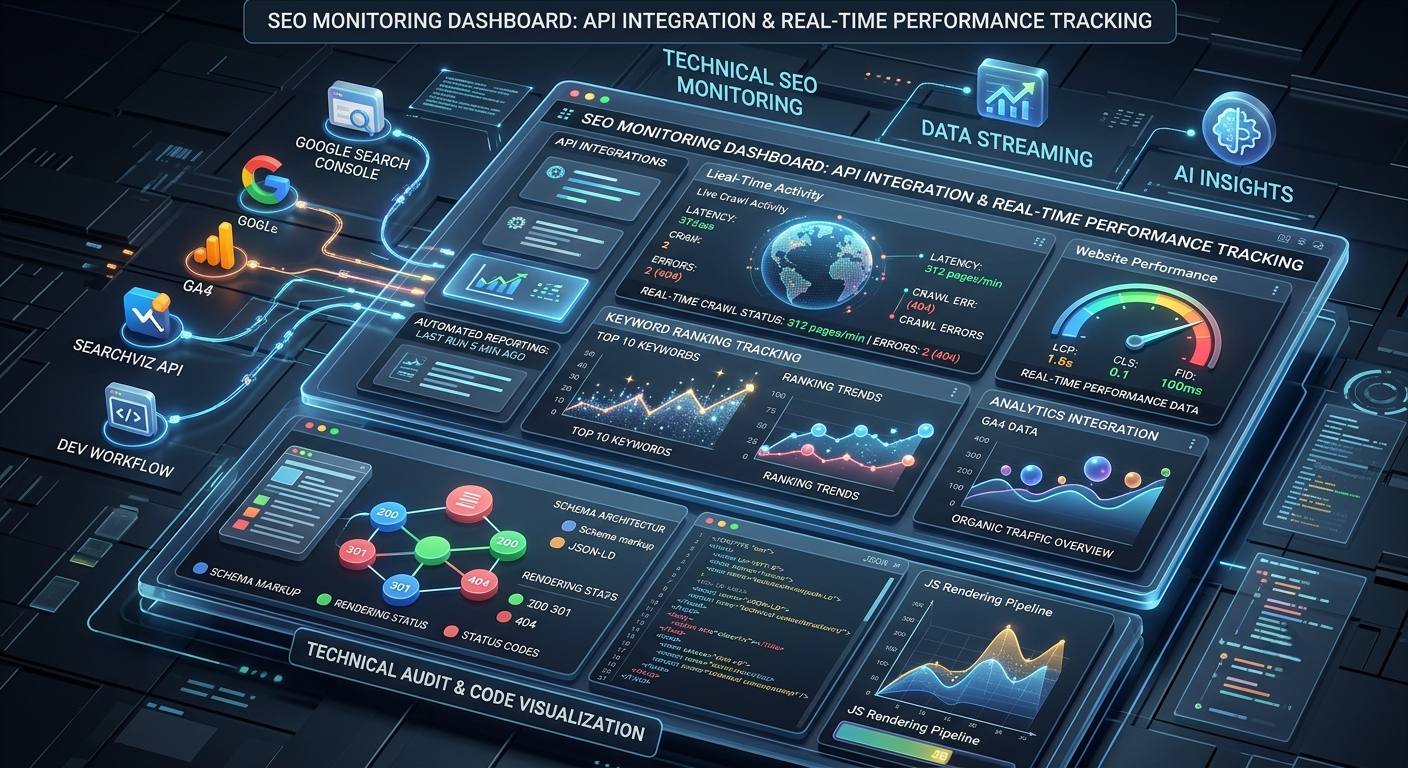
SEO Monitoring Tools: Technical Implementation Guide for Developers
Comprehensive technical guide to SEO monitoring tools designed for software developers and product managers. Learn how to integrate monitoring into development workflows, track technical SEO metrics, and automate performance reporting with modern tools and APIs.