
Table of Contents
Imagine losing a highly qualified, cash-ready home buyer simply because your property listings were 48 hours out of date. In today's hyper-competitive real estate market, this is a daily reality for agents with static websites.
When over 97% of home buyers begin their property search online, user experience dictates your revenue. If a prospect lands on your site and finds a clunky, manual list of homes, they will instantly bounce to giant portals like Zillow or Realtor.com. That bounce represents a lost relationship and a lost commission.
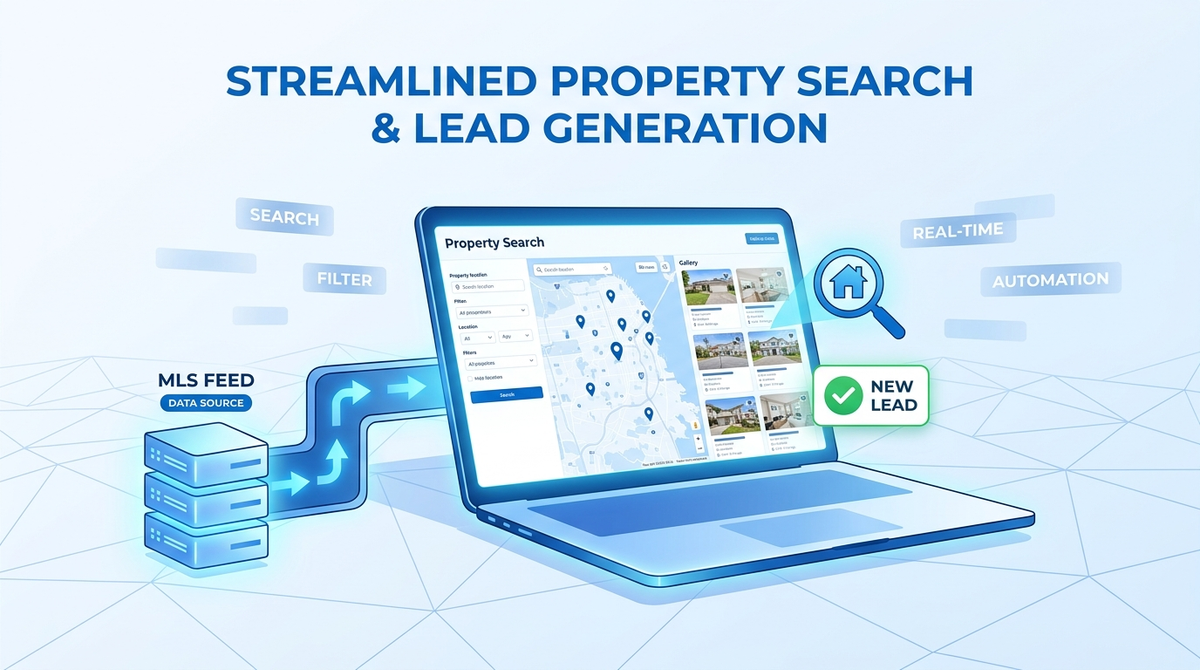
For years, syncing live Multiple Listing Service (MLS) feeds required expensive developers and complex API configurations. Fortunately, modern technology has changed the game. Today, it is entirely possible to add IDX to website platforms seamlessly, allowing you to showcase live properties and capture high-intent leads on autopilot.
Backed by over 10+ years of digital excellence, Cinute Info Media has helped agencies across 25+ countries scale their online presence. Read on to discover the exact blueprint for transforming your static site into a lead-generating powerhouse.
Why Lacking Live MLS Data Is Costing Businesses Six-Figure Commissions
Operating a real estate business without a live property feed is like running a retail store with empty shelves. Your potential clients arrive expecting to browse inventory. When they cannot filter, search, and save actual homes in their target neighborhoods, their trust in your authority plummets.
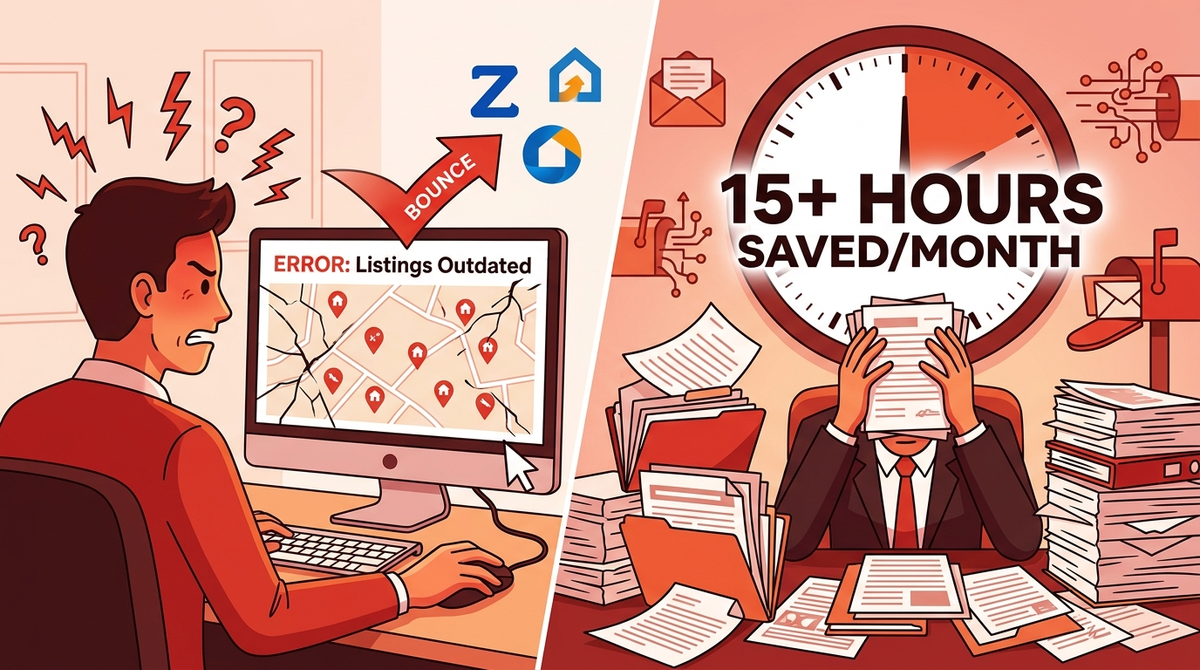
This disconnect directly impacts your bottom line. Without an active MLS property search feature, you are forcing your buyers to do their homework elsewhere. Every time a client leaves your site to check the status of a home on a national portal, you risk losing them to the aggressive lead-capture forms of competing agents who pay for zip code placements.
Furthermore, manual listing updates drain your most valuable resource: time. Independent realtors and boutique agency owners often waste upwards of 15 hours a week copying and pasting property descriptions, resizing images, and updating statuses from "Active" to "Pending." This administrative burden takes you away from high-impact activities like showing homes and negotiating contracts.
The technical consequences are equally severe. Search engines prioritize websites that offer rich, constantly updating content and high user dwell times. Static pages do neither. If your digital presence lacks dynamic functionality, investing in real estate website development that includes automated property synchronization is the most profitable pivot you can make.
Beyond just listings, a truly effective site integrates this data with your backend systems. Without tying your property feeds into custom CRM integrations, you lose the ability to track which properties your prospects are viewing, fundamentally weakening your follow-up strategy.
How No Code IDX Integration Solves Property Search Woes Step by Step
Transitioning from a static brochure site to a dynamic property hub does not require a computer science degree. By leveraging modern frameworks, you can empower your brand with enterprise-level functionality in a fraction of the time. Here is the exact methodology we use to add IDX to website properties securely and effectively.
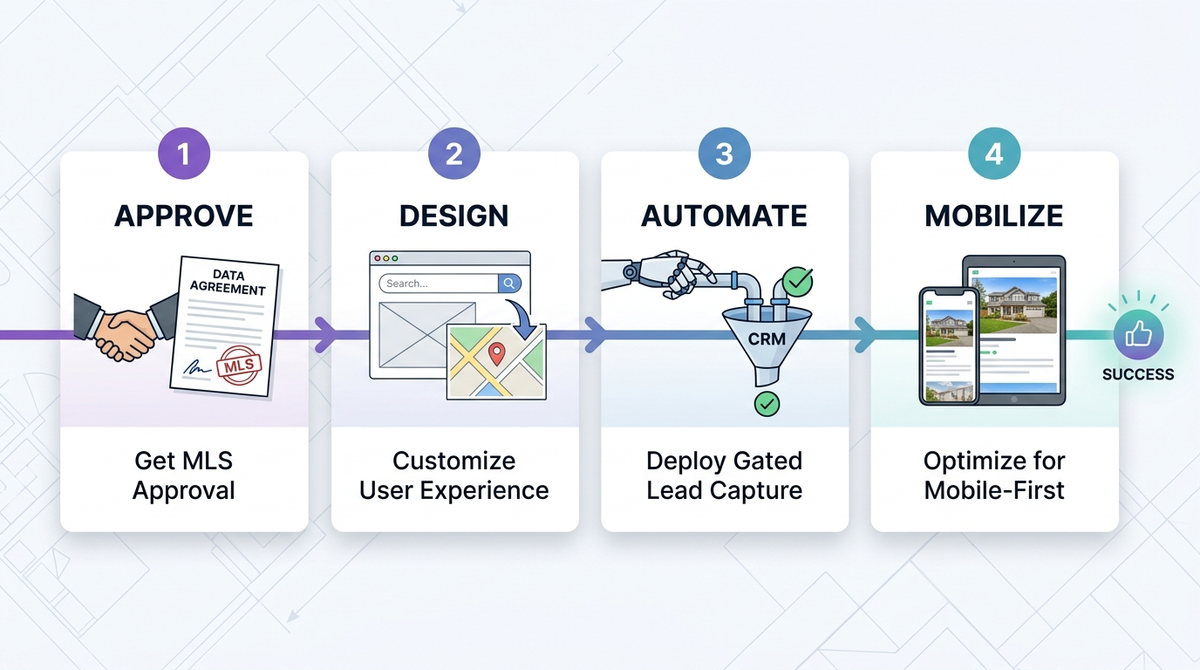
Step 1: Achieving Instant Access to Market Data
The first outcome is securing a reliable, uninterrupted stream of local market data. We begin by facilitating the approval process between your local MLS board and the chosen IDX vendor. Instead of writing custom API calls, we connect an approved, lightweight application directly to your domain, ensuring compliance and data accuracy from day one.
Step 2: Designing a High-Converting Search Experience
Once the data flows, the focus shifts to user experience. The result is a lightning-fast, intuitive search bar that dominates your homepage. Buyers can instantly filter by price, bedrooms, square footage, and hyper-local map polygons. We map these user flows meticulously to ensure the interface keeps visitors glued to your domain rather than a competitor's.
If your current site architecture cannot support this level of interactivity, it may be time to get a free audit to uncover structural bottlenecks.
Step 3: Implementing Automated Lead Capture Systems
Traffic is useless if it doesn't convert. The integration applies strategic gated content rules. For example, after a user views three properties or attempts to save a favorite listing, a beautifully designed, non-intrusive modal prompts them to create a free account. This turns anonymous traffic into actionable email leads directly in your database.
Step 4: Ensuring Mobile-First Responsiveness
With over 60% of property searches occurring on mobile devices, the integration must perform flawlessly on smaller screens. We optimize the interactive maps and image carousels to load instantly on cellular networks. To achieve this, we often pair IDX tools with our elite custom web design solutions to ensure the framework surrounding your listings is equally robust.
Real Results: What Businesses Achieve with Dynamic Listings
Theory and technical specs only matter if they translate to measurable growth. Over our 10+ years in business, we have partnered with hundreds of real estate professionals across 25+ countries, and the data surrounding proper listing integration is undeniable.
Consider the case of a mid-sized brokerage in a highly competitive metro market. Before working with us, their agents manually uploaded featured listings, and their website traffic was practically non-existent. They relied entirely on expensive third-party lead generation platforms that yielded low-quality, shared leads.
We deployed a comprehensive no code IDX integration tailored to their target luxury neighborhoods. We implemented forced registration after five property views and automated daily email alerts sending new market matches directly to their registered users' inboxes.
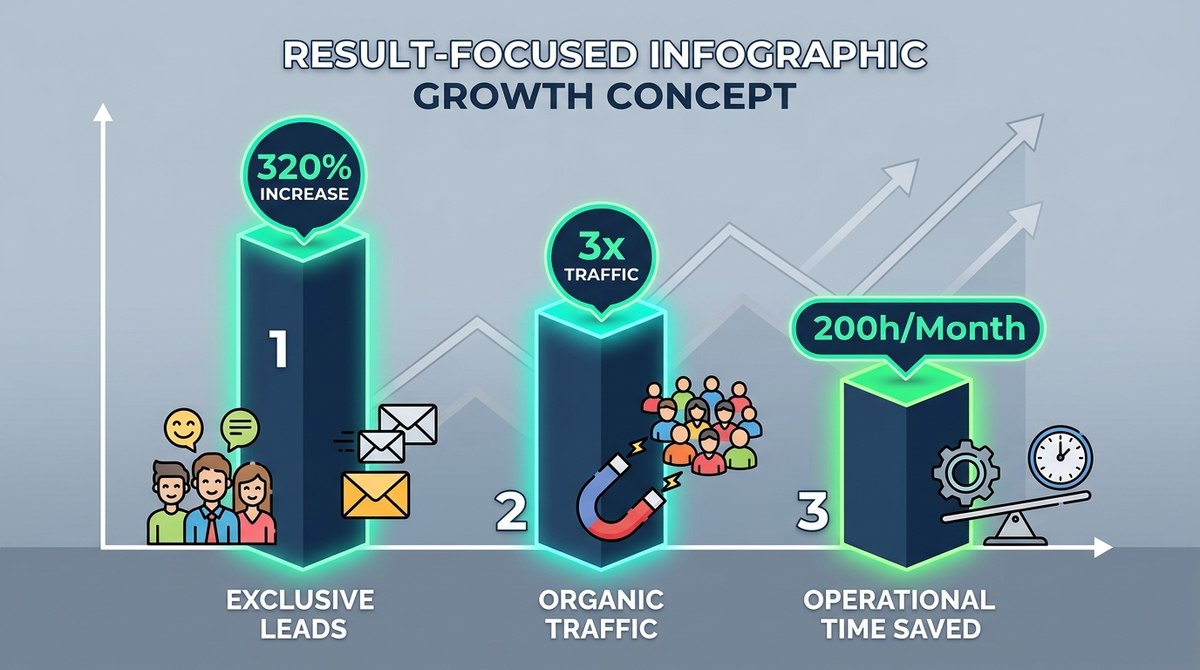
The transformation was staggering. Within four months, the brokerage experienced a 320% increase in exclusive buyer leads. Because users were staying on the site to browse, organic search visibility skyrocketed, resulting in 3x the monthly organic traffic.
More importantly, the operational efficiency shifted dramatically. By eliminating manual data entry, the administrative team reported over 200 hours saved per month. This allowed the agency to reallocate staff to transaction coordination and client care, drastically improving their closing rates.
These are not isolated metrics. When you provide buyers with the tools they actually want to use, you become the definitive local authority. If you want to explore how we tailor these strategies to specific markets, our expert team is ready to walk you through our portfolio of success stories.
Professional Implementation vs DIY / Cheaper Alternatives
It is tempting to search for the cheapest plugin available, install it yourself, and hope for the best. The internet is flooded with budget widgets promising instant MLS connections for a few dollars a month. However, in the high-stakes world of real estate marketing, cutting corners on your core technology always costs more in the long run.
DIY plugins are notorious for slowing down page speed, which instantly kills your Google rankings and frustrates mobile users. Furthermore, cheaper alternatives frequently suffer from "data lag," pulling listings that sold days ago. Displaying an active home that already has an accepted offer damages your credibility with prospective buyers.
Security is another massive concern. Unsupported plugins are the leading cause of website vulnerabilities, leaving your valuable lead database exposed to breaches. Relying on piecemeal solutions also means that when an MLS board updates its compliance rules or API structures, your DIY connection will simply break, leaving you with blank pages.
Professional implementation guarantees stability, speed, and continuous compliance. We build ecosystems designed for conversion, not just raw data display. To protect this investment, we pair these builds with comprehensive ongoing website maintenance, ensuring your property feeds, lead routing, and server speeds remain optimal 24/7. Your digital storefront deserves enterprise reliability, not a duct-tape solution.
How to Get Started with Cinute Info Media
Transforming your real estate website into an automated lead generation machine is a straightforward process when you partner with the right agency. At Cinute Info Media, we have refined our client onboarding into a seamless, four-step journey.
First, we begin with a Discovery Session. We take the time to understand your target market, your ideal buyer personas, and your current technological bottlenecks. Next, we conduct a comprehensive Technical Audit of your existing website to identify performance gaps and UX issues.
Following the audit, we present a Custom Blueprint. This detailed roadmap outlines exactly how we will integrate live listings, optimize your lead capture forms, and enhance your overall brand presentation. Finally, we move to Execution, handling every technical detail from MLS board approvals to final mobile testing.
Stop losing commissions to national portals and outdated technology. Due to the high demand for customized real estate solutions, we limit our monthly intake to ensure every client receives our undivided attention.
Don't wait for your competitors to corner your local market. Start your free digital audit today and let us show you the untapped potential hiding in your digital presence.

Frequently Asked Questions
Q1. Do I need to know how to code to manage my property listings?
Not at all. We utilize sophisticated no-code integrations that sync seamlessly in the background. Once the system is set up, your website automatically updates live properties, price drops, and status changes without any technical input from you.
Q2. How long does it take to add IDX to my current website?
The technical integration is surprisingly swift, often taking just a few days. However, the timeline can occasionally vary based on how quickly your local MLS board processes the data access approval paperwork.
Q3. Will adding live listings slow down my website's loading speed?
It won't if implemented correctly. We use modern, lightweight API connections and advanced caching techniques to ensure your site remains lightning-fast, providing an excellent user experience on both desktop and mobile devices.
Q4. Can I customize which properties show up on my website?
Absolutely. You have total control over the data. We can configure your feed to display only your specific agency's listings, focus exclusively on certain zip codes, or filter by specific property types like luxury homes or condos.
Q5. Does displaying MLS data actually help with my SEO?
Yes. Providing live, searchable property data drastically increases the amount of time visitors spend on your site (dwell time). Additionally, individual property pages create thousands of indexed pages, significantly boosting your local search engine visibility.
CONCLUSION
Relying on manual property updates and static web pages is a guaranteed way to lose modern home buyers to larger, tech-savvy competitors. By choosing to add IDX to website platforms through professional, no-code solutions, you instantly elevate your brand's authority and user experience.
You gain automated lead capture, save hundreds of administrative hours, and finally provide your clients with the seamless property search they demand. The transition is faster and more accessible than ever before.
Ready to transform your digital storefront and capture more high-value leads? Contact Cinute Info Media for a free audit today.
Related Articles
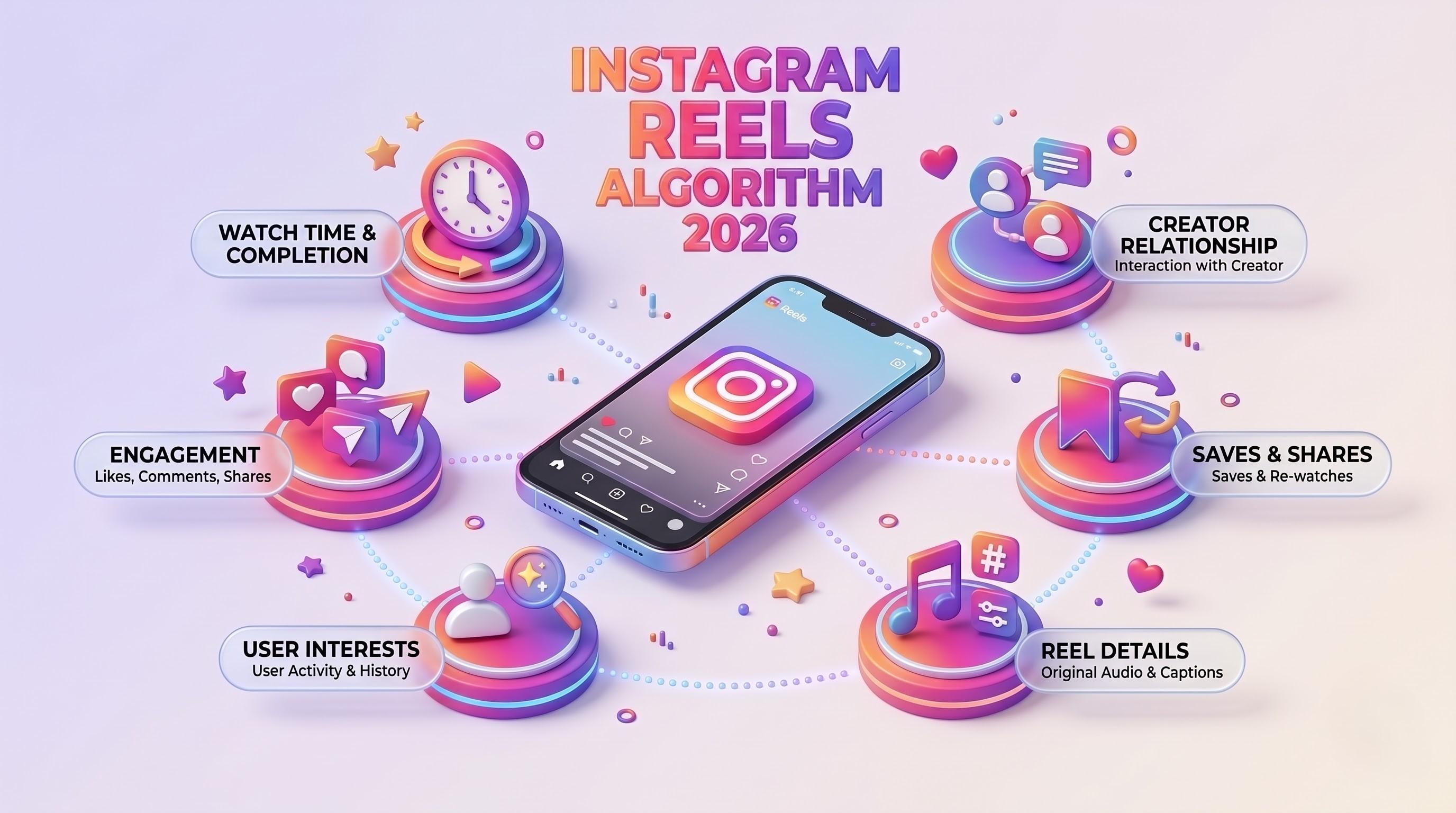
Instagram Reels Algorithm 2026: A Simple Guide for Tech-Savvy Teams
The Instagram Reels algorithm in 2026 ranks videos by watch time, DM sends and likes per reach. This easy guide explains how Reels are tested, what changed recently, and a practical checklist for developers, marketers, CTOs and product teams.

Business Corporate Intranets: A Simple Guide for Tech Teams
Business corporate intranets give every employee one secure place for news, files, people and tools. This easy guide covers features, architecture, security and a step-by-step build plan for CTOs, developers, testers and marketers.
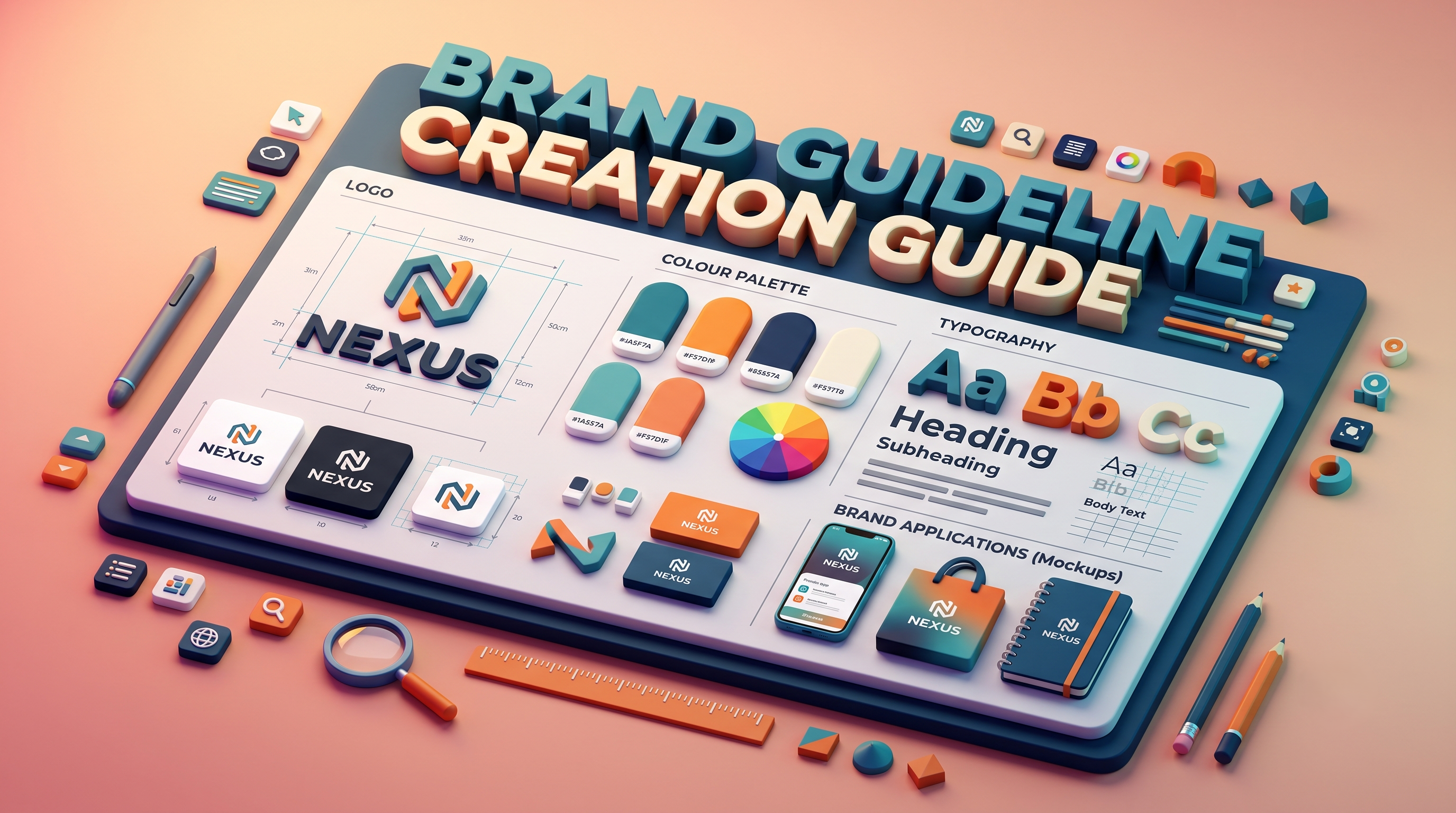
Brand Guideline Creation: A Step-by-Step Guide for Tech Brands
Brand guideline creation turns your logo, colours, fonts and voice into one clear rulebook for designers, developers, testers and marketers. This easy guide covers the core components, an 8-step process, design tokens for code, and how to connect your brand to SEO and AI.