

Table of Contents
Ever wondered why some software projects launch smoothly while others run late, go over budget or collapse halfway? In most cases, the difference is a clear process. That process is called SDLC, short for software development life cycle.
Whether you are a developer, a tester, a researcher, a CTO or a product manager, understanding the SDLC helps you plan better, build faster and avoid costly surprises. In this guide, we explain what SDLC is, walk through its seven phases, compare the most popular SDLC models and share practical best practices you can use today. No heavy jargon, just clear answers.
What Is SDLC in Software Engineering?
The software development life cycle (SDLC) is a structured framework that guides a team from the first idea of a product to its launch and long-term upkeep. Think of it as a roadmap. Just as you would not start a road trip without a route, you should not start building software without a plan.
A good SDLC answers simple but important questions. What are we building? Who is it for? How will we build it? How will we know it works? And what happens after launch? By answering these early, teams save time, money and stress later.
Why the Software Development Life Cycle Matters
Skipping a proper software development process is like building a house without blueprints. It might stand for a while, but problems appear quickly. Here is what a well-run SDLC gives you:
- Clear goals: Everyone knows what success looks like.
- Better quality: Testing is planned, not rushed at the end.
- Controlled costs: Fewer surprises mean fewer budget overruns.
- Faster delivery: Teams stop reworking the same features again and again.
- Lower risk: Security and compliance are built in from day one.
- Happier stakeholders: Regular updates keep clients and leadership informed.

The 7 Phases of SDLC Explained
Different companies name the phases slightly differently, but most follow these seven steps.
1. Planning
Every project starts here. The team defines the goal, scope, budget, timeline and resources. Product managers and stakeholders ask, "Is this idea worth building?" A short feasibility check looks at technical, financial and market risks. Good planning prevents scope creep, which is the quiet habit of adding "just one more feature" until the deadline disappears.
2. Requirement Analysis
Next, the team gathers detailed needs from users, clients and business teams. This is where user stories, use cases and acceptance criteria are written. The output is usually a software requirement specification (SRS) or a well-groomed product backlog. Clear requirements are the single biggest protection against rework, so invest time here.
3. System Design
Now the team decides how the product will work. Architects and senior developers choose the tech stack, database structure, APIs, security approach and overall architecture. Designers create wireframes and prototypes so stakeholders can see the product before a single line of code is written. For example, a team building a modern web app might compare frameworks and hosting options at this stage, much like the choices covered in our guide to top SaaS development tools.
4. Development
This is where the plan turns into working software. Developers write code in small, manageable pieces, following coding standards and using version control such as Git. Peer code reviews catch bugs early and spread knowledge across the team. If you are building a large backend, our simple guide to Java Spring Boot microservices shows how teams break big systems into smaller, easier-to-maintain parts.
5. Testing
Testing confirms that the software does what it should and nothing it should not. QA engineers run unit tests, integration tests, system tests, performance tests and user acceptance testing (UAT). Modern teams automate repeat tests so they run every time code changes. The earlier a bug is found, the cheaper it is to fix, which is why many teams now follow a "shift-left" approach and begin testing during development, not after it.
6. Deployment
Once the build passes testing, it goes live. Many teams release in stages, such as a beta group first and then a full rollout, to reduce risk. A CI/CD pipeline (continuous integration and continuous delivery) automates builds, tests and releases so deployments become routine instead of stressful. If you are moving an existing site, a careful plan like our WordPress hosting migration checklist shows how to launch without breaking things or losing search rankings.
7. Maintenance
Launch is not the finish line. After release, the team fixes bugs, applies security patches, improves performance and adds new features based on user feedback. Maintenance often takes more total effort than the original build, so plan for it from the start.

Popular SDLC Models Compared
An SDLC model is the style your team uses to move through those seven phases. There is no single best model. Each suits different projects.
Waterfall Model
Waterfall is the classic approach. Each phase finishes completely before the next begins, like water flowing down steps. It works well when requirements are fixed and well understood, such as in government, healthcare or hardware-linked projects. Its weakness is flexibility. Changing direction late is slow and expensive.
Agile Methodology
Agile builds software in short cycles called sprints, usually one to four weeks long. Teams deliver small working pieces, collect feedback and adjust. Frameworks such as Scrum and Kanban make this practical. Agile is a strong fit when requirements are likely to change, which is true for most startups, SaaS products and mobile apps.
V-Model
The V-Model is an extension of Waterfall in which every development phase is paired with a testing phase. Requirements match acceptance tests, design matches integration tests and so on. It is ideal for projects where defects are very costly, such as medical or automotive software.
Spiral Model
Spiral combines iterative development with risk analysis. The project moves through repeated loops, and each loop begins with identifying and reducing risk. It suits large, complex projects with uncertain requirements, though it can be costly to manage.
DevOps and DevSecOps
DevOps joins development and operations into one continuous flow with heavy automation. DevSecOps adds security checks at every step. Together they support frequent, reliable releases, which is why cloud-first companies favour them.
Agile vs Waterfall: Which SDLC Model Should You Choose?
Choosing the right model depends on your project, team and risk level. Ask yourself these questions:
- Are requirements stable? If yes, Waterfall or V-Model can work. If they will evolve, choose Agile.
- How fast must you reach the market? Agile and Iterative models deliver early versions sooner.
- How strict are compliance needs? Regulated industries often prefer V-Model or hybrid approaches.
- How big and experienced is your team? Agile needs strong communication and self-managing teams.
- How involved will the client be? Agile works best when stakeholders give regular feedback.
Many real teams use a hybrid approach, planning the big picture like Waterfall while running day-to-day work in Agile sprints.

What Is Secure SDLC?
A secure SDLC adds security activities to every phase instead of treating security as a final check. In practice, that means:
- Threat modelling during design
- Secure coding guidelines and static code analysis during development
- Dependency and vulnerability scanning in the build pipeline
- Penetration testing before release
- Regular patching and monitoring after launch
SDLC Best Practices for Modern Teams
Here are habits that separate smooth projects from stressful ones:
- Write clear requirements. Use plain language, user stories and measurable acceptance criteria.
- Involve testers early. QA should join planning and design conversations, not just receive finished code.
- Automate wherever possible. Automated testing, builds and deployments cut human error.
- Use version control and code reviews. They improve quality and shared ownership.
- Keep documentation useful. Short, up-to-date documents beat long ones nobody reads.
- Track technical debt. Quick fixes add up, so schedule time to clean them.
- Measure what matters. Watch metrics such as lead time, defect rate, deployment frequency and recovery time.
- Run retrospectives. Review each sprint or release to learn what to improve next.

How AI Is Changing the Software Development Life Cycle
Artificial intelligence now supports almost every SDLC phase. AI assistants help draft requirements, suggest code, generate test cases, review pull requests and flag unusual behaviour in production. Automation also trims repetitive work such as reporting, ticket routing and documentation updates. If you want to explore this, our team builds AI workflows and automations that remove manual effort from business and engineering processes.
AI is a helper, not a replacement. Human judgement still leads architecture, security and user understanding.
SDLC and SEO: The Link Many Teams Miss
If your software is a website, web app or SaaS platform, search visibility should be part of your SDLC. Technical SEO choices, like page speed, crawlable architecture, clean URLs, structured data and mobile responsiveness, are far cheaper to build in during design and development than to fix after launch. Bring an SEO specialist into the planning phase and run a technical SEO audit before deployment. Your future organic traffic will thank you.
SDLC in Real Projects: A Quick Example
Imagine a startup building a subscription platform. In planning, the founders confirm the market need and budget. In requirement analysis, they list must-have features such as sign-up, billing and a dashboard. Designers prototype the screens, and architects choose a scalable stack. Developers build in two-week sprints while testers automate checks. The team launches a beta to a small group, fixes issues and then goes public. After launch, they monitor performance and release improvements every sprint. If you are planning something similar, our SaaS development services and mobile app development teams follow this same disciplined approach.
Frequently Asked Questions About SDLC
What does SDLC stand for?
SDLC stands for software development life cycle. It is the process teams use to plan, build, test, release and maintain software.
How many phases are in SDLC?
Most frameworks describe seven phases: planning, requirement analysis, design, development, testing, deployment and maintenance. Some versions combine or rename a few of them.
Which SDLC model is the most popular?
Agile is the most widely used today because it handles change well. Waterfall, V-Model and DevOps are also common, depending on the project.

Final Thoughts
The software development life cycle is not about red tape. It is about building the right product, the right way, with fewer surprises. Start with solid planning, keep your requirements clear, test early, automate often and never forget maintenance. Choose the SDLC model that matches your goals and adapt it as you learn.
Ready to turn your idea into reliable, search-friendly software? Our team at Cinute InfoMedia combines web development, SEO, AI automation and smart design to deliver products that scale. Talk to our experts and get your free digital audit.
Related Services
Related Articles
Top 10 SaaS Development Tools for 2026: Build, Test and Scale Smarter
Building a SaaS product is easier when you pick the right stack from day one. Here are the top 10 SaaS development tools for 2026, covering coding, backend, testing, billing and cloud hosting, with simple advice on when to use each one.
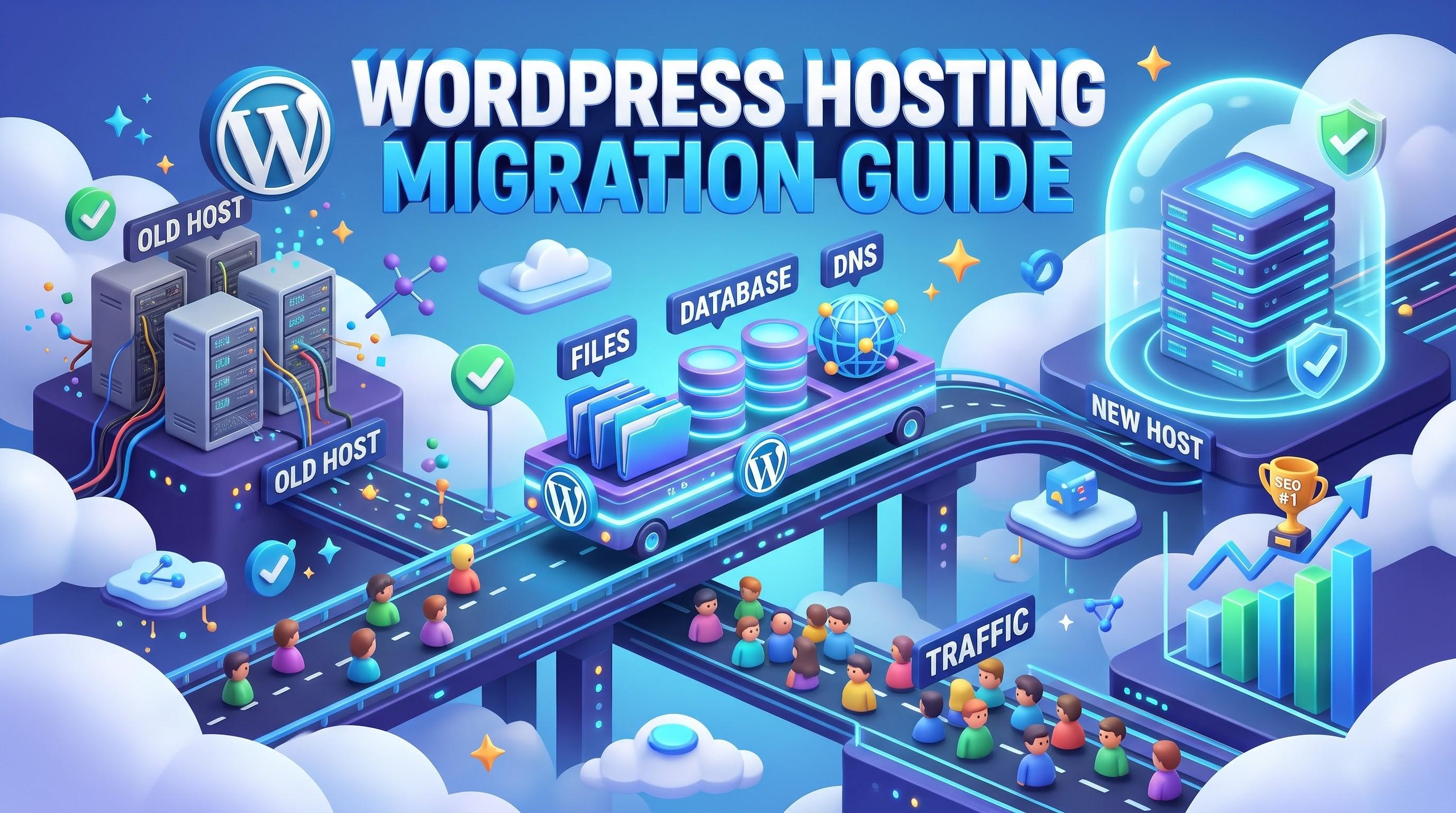
WordPress Hosting Migration
Moving your WordPress site to a new host does not have to be risky. This easy guide covers the checklist, three migration methods, ten steps and SEO safeguards for developers, testers, CTOs and marketers.
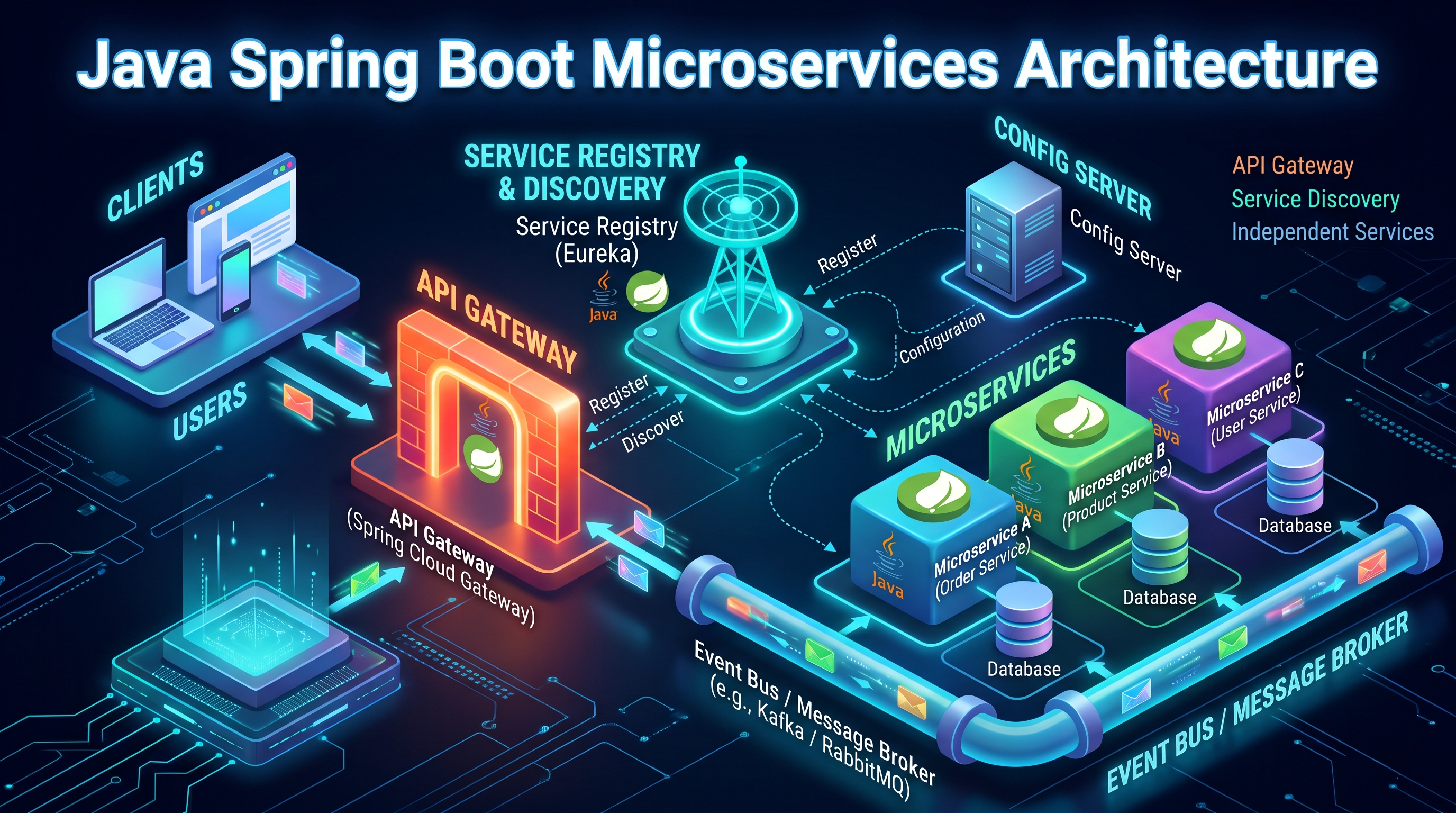
Java Spring Boot Microservices: A Simple Guide for Tech Teams
Java Spring Boot microservices help teams build fast, scalable and easy-to-maintain systems. This simple guide explains the architecture, key tools, testing and best practices for developers, testers, CTOs and product managers.