
Table of Contents
Every user who lands on your product or website wants something slightly different. One visitor wants a quick price. Another wants technical docs. A third wants proof that your product works. Showing all three the same page is a missed chance. AI personalization engines solve this problem. They study how people behave, predict what each person needs next, and change the experience in real time.
This guide explains AI personalization engines in plain language. You will learn what they are, how they work, which models sit inside them, and how to build or choose one. It is written for developers, testers, researchers, digital marketers, CTOs and product managers, so you can use it whatever your role.
What Are AI Personalization Engines?
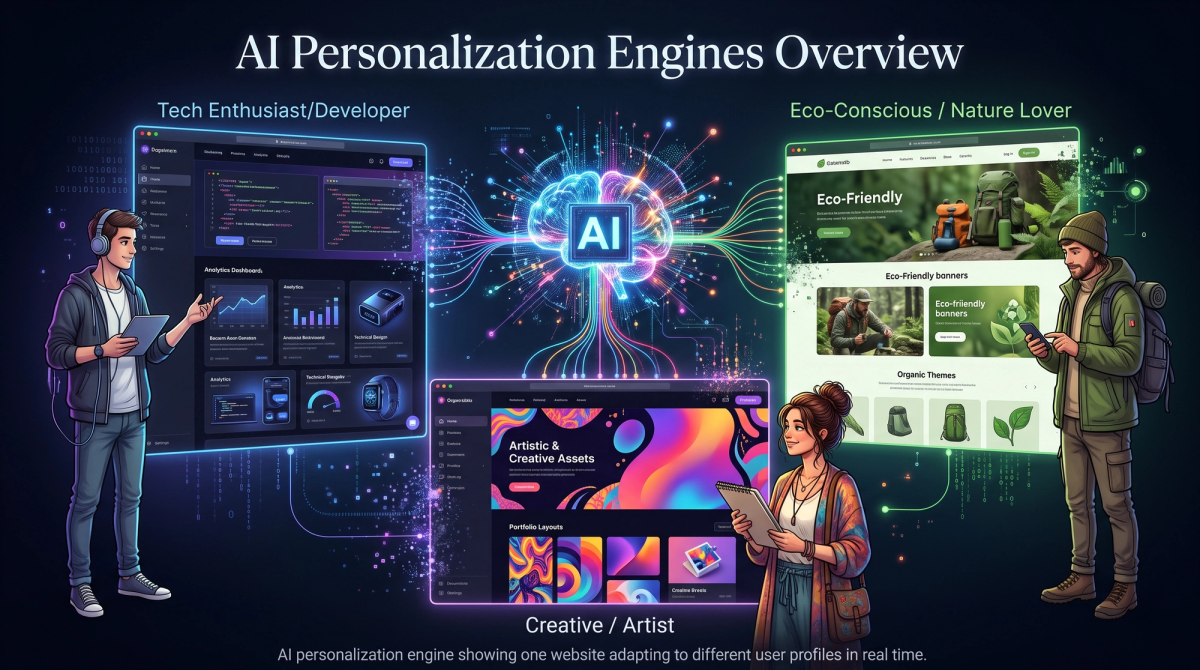
An AI personalization engine is a software system that uses machine learning to tailor content, products, offers and layouts to each individual user. It learns from data such as clicks, searches, purchases, time on page and device type. Then it decides, within milliseconds, what to show that person.
Think of a skilled shop assistant who remembers every customer. A personalization engine does the same job, but for millions of users at once, across web, mobile, email and chat.
You may also hear these related terms:
- Recommendation engine: suggests items such as products, videos or articles.
- Real-time personalization: changes the experience while the user is still on the page.
- Dynamic content: page blocks that swap based on the viewer.
- Predictive personalization: guesses what a user will want before they ask.
A recommendation engine is one part of a full personalization engine. The full engine also handles user profiles, rules, testing and measurement.
Why AI Personalization Engines Matter Today
People now expect relevance. Streaming apps, online stores and social platforms have trained users to expect that a product "just knows" them. When your site feels generic, visitors leave quickly.
For businesses, the benefits are clear:
- Higher engagement: relevant content keeps users reading, watching and clicking.
- Better conversion rates: the right offer at the right moment moves users to act.
- Longer customer lifetime value: useful experiences bring people back.
- Lower support load: users find answers faster, so fewer tickets are raised.
- Smarter marketing spend: you stop showing ads and emails to people who will never buy.
For technical teams, personalization is also an engineering challenge. It needs clean data, fast APIs, careful testing and strong privacy controls. That is why it needs both marketers and developers working together.
How an AI Personalization Engine Works: Five Layers
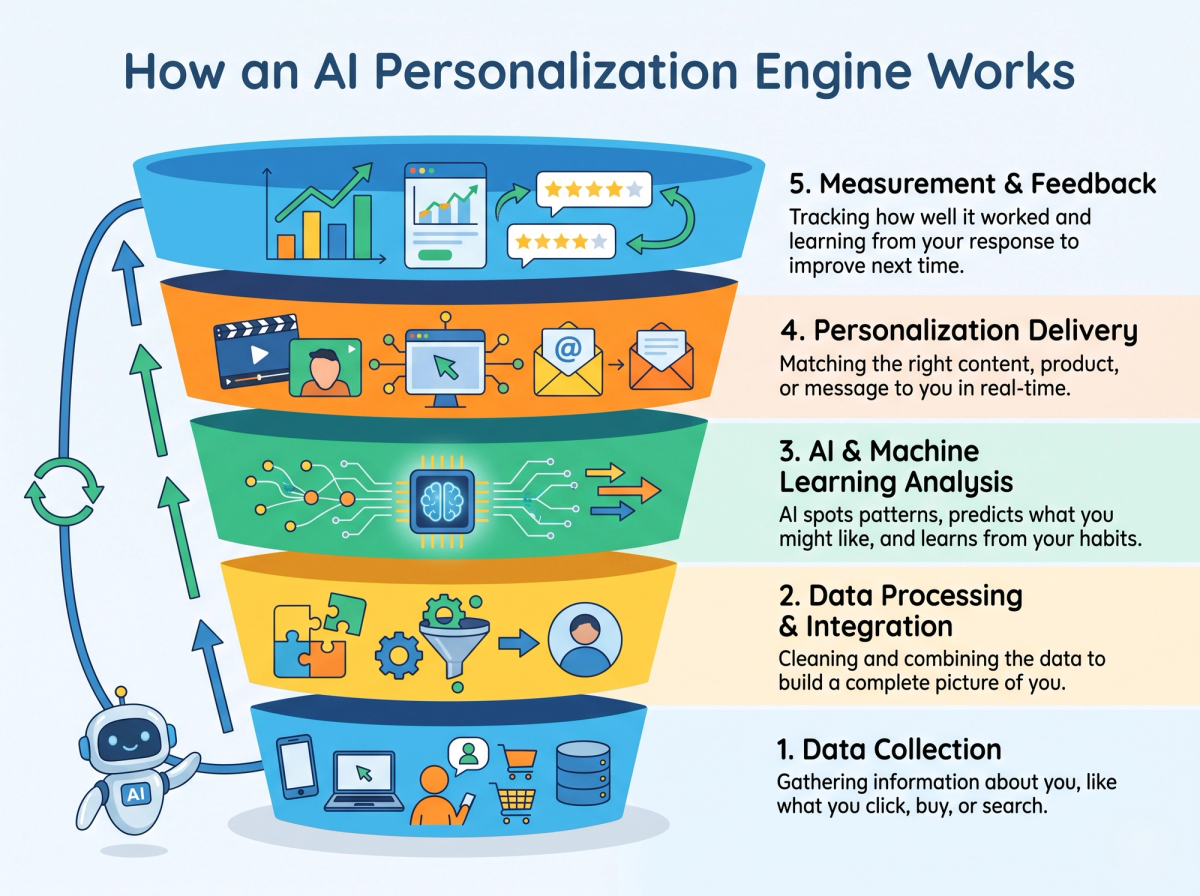
Most engines follow the same simple flow. Understanding these five layers helps you plan, build and test them.
1. Data Collection
Everything starts with data. The engine gathers behavioral data (clicks, scrolls, searches, purchases), contextual data (device, location, time of day) and profile data (role, industry, preferences). Many teams store this in a customer data platform, or CDP, so every system reads from one source of truth.
Modern engines rely heavily on first-party data, which users share directly with you. Third-party cookies are fading, so owning your data is now a real advantage.
2. Data Processing and Feature Engineering
Raw data is messy. This layer cleans it, joins it and turns it into features, which are the signals a model can learn from. Examples include "visited pricing page three times this week" or "reads mostly testing articles." Many teams use a feature store so the same features are used in training and in live predictions.
3. The Machine Learning Models
Here the engine learns patterns. It predicts what each user is most likely to click, buy or read. The next section covers the main model types.
4. Decisioning and Delivery
The engine ranks the options and picks the best one. Business rules still matter here. For example, you may block out-of-stock items or hide a discount for existing customers. The chosen content is then delivered through an API to your website, app, email tool or chatbot, usually in under 100 milliseconds.
5. Measurement and Feedback
Every decision creates new data. The engine watches the result, such as click-through rate or purchase, and learns from it. Teams also run A/B tests to prove that personalization actually beats the default experience.
The Core Models Behind Personalization
You do not need a PhD to understand these models. Here is a plain-language summary.
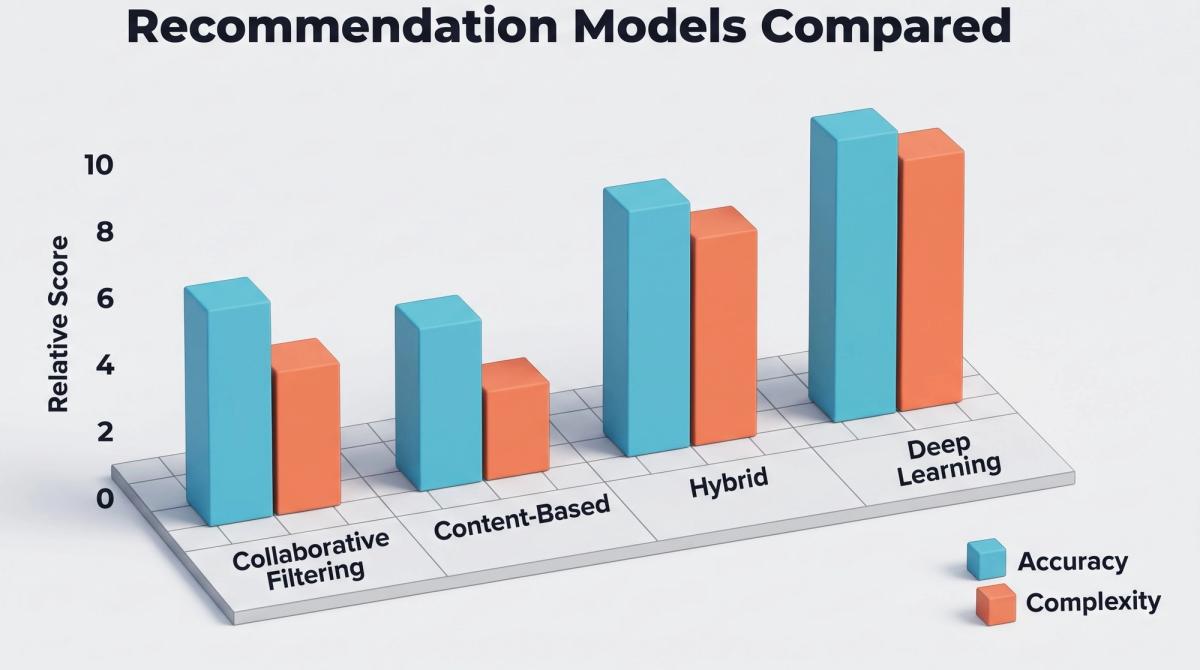
Collaborative filtering finds users who behave alike and recommends what similar users enjoyed. If people who read article A also read article B, new readers of A will be shown B.
Content-based filtering looks at the item itself. If you read three guides about test automation, it recommends more guides with similar topics, tags or keywords.
Hybrid models combine both methods. They usually perform better and help with the cold start problem.
The cold start problem happens when a new user or new item has no history. Good engines solve it with popular defaults, quick onboarding questions or content-based signals until real behavior arrives.
Embeddings and deep learning turn users and items into number vectors. Similar things sit close together in that space, so the engine can match them even when the keywords differ.
Contextual bandits balance exploring new options with using what already works. They are popular for headlines, banners and offers because they learn quickly.
Large language models (LLMs) now add natural-language understanding. They can write personalized email copy, summarize content for each reader, or power conversational assistants that adapt to the user.
Rule-Based vs AI Personalization
Many teams start with simple rules such as "if the user is from Germany, show the German page." Rules are easy to build, but they do not scale well.
| Feature | Rule-based | AI-driven |
|---|---|---|
| Setup | Fast and simple | Needs data and training |
| Scale | Becomes messy with many rules | Handles millions of users |
| Learning | Manual updates only | Improves automatically |
| Accuracy | Broad segments | Individual-level |
| Best for | Small sites, clear logic | Large catalogs, complex journeys |
The best approach is usually a mix. Use rules for hard business requirements and AI for everything that needs prediction.
Real-World Use Cases
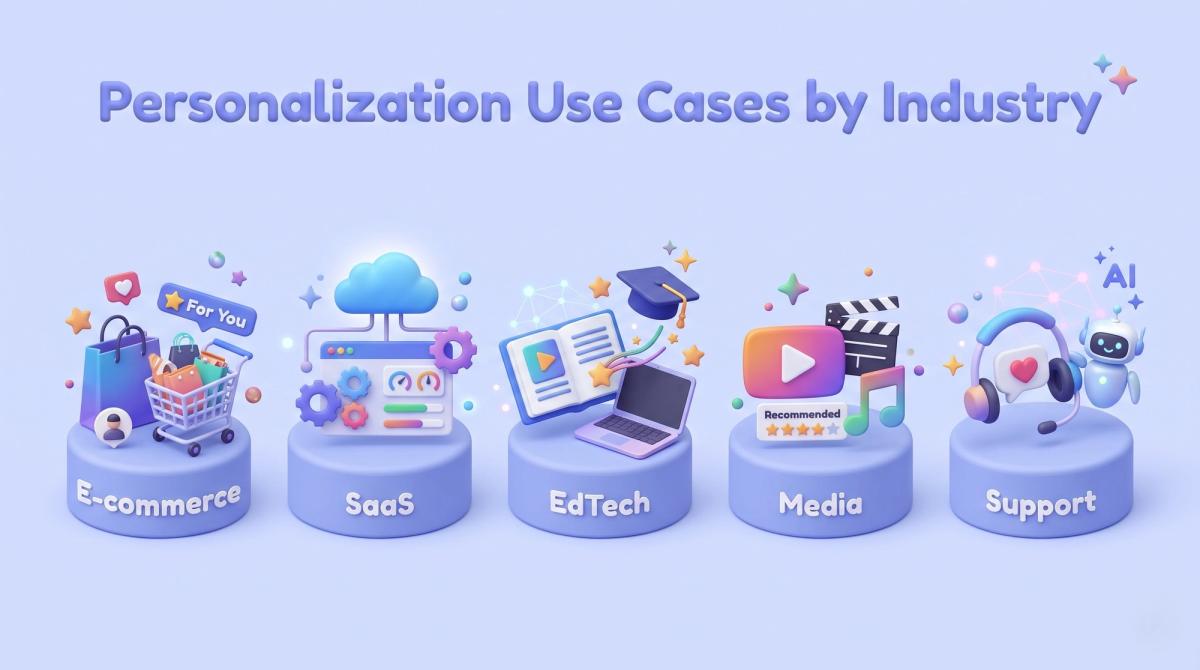
E-commerce: product recommendations, personalized search results and dynamic bundles. Online stores see value quickly because every product page can adapt to the visitor.
SaaS and software products: onboarding flows that change by role, feature tips based on usage, and in-app messages that appear only when useful. A developer and a marketing manager should not see the same welcome tour.
EdTech and e-learning: course paths that adjust to a learner's pace, skills and goals.
Media and publishing: article feeds, newsletters and video lists that match each reader's interests.
B2B marketing: landing pages that speak to the visitor's industry, plus email sequences that follow what the lead actually read.
Customer support: AI-powered chatbots that recognise returning users, recall past issues and suggest the right help article. This is where personalization and conversational AI meet.
Operations: AI workflows and automations that route leads, trigger follow-ups and update your CRM based on user behaviour. These automations are the engine's hands: the model decides, and the workflow acts.
How to Build or Choose an AI Personalization Engine
You can buy a ready-made platform, build your own, or mix both. Either way, follow these seven steps.
Step 1: Define one clear goal. Pick a single metric such as demo requests, add-to-cart rate or trial-to-paid conversion. Vague goals lead to vague results.
Step 2: Audit your data. List what you collect, where it lives and how clean it is. Fix tracking gaps before touching any model.
Step 3: Unify user profiles. Connect web, app, CRM and email data so one person is one profile.
Step 4: Start small. Personalize one high-impact spot, like the homepage hero or a product carousel. Prove value, then expand.
Step 5: Pick the right approach. Buy a platform if you need speed. Build custom if you have unique data and an engineering team. For many companies, a custom front end on a solid platform works best. A well-built site matters here, because slow or messy pages weaken every recommendation. A web design and development partner can make sure your site architecture is ready for dynamic content.
Step 6: Add guardrails. Set rules for privacy, fairness, frequency limits and fallback content.
Step 7: Test, measure, repeat. Run controlled experiments and review results every week.
Testing and Quality Assurance for Personalization
Testers and QA engineers play a big role here, because personalized pages behave differently for every user. A bug may only appear for one segment.
Test these areas:
- Segment coverage: does each user type see the correct content?
- Fallbacks: what appears when the model fails or data is missing?
- Performance: does personalization slow the page? Watch Core Web Vitals closely.
- Consistency: does a user see matching content across web, email and app?
- Bias checks: does the model treat groups fairly?
- Tracking accuracy: are impressions and clicks recorded correctly?
Use A/B tests with a proper control group, run them long enough to reach reliable results, and avoid changing too many things at once.
Privacy, Trust and Ethics
Personalization works only when users trust you. If recommendations feel creepy, people leave.
- Be transparent. Explain what data you collect and why.
- Ask for consent. Use clear opt-in controls and respect opt-outs.
- Collect less. Gather only the data you actually need.
- Protect it. Use encryption, access controls and regular audits.
- Avoid sensitive profiling. Do not target users based on health, finances or other sensitive traits without strict legal review.
- Give users control. Let them see and reset their preferences.
Privacy-friendly personalization is not a limit. It is a competitive advantage.
AI Personalization and SEO
Personalization and search engine optimization can work together, but they need care.
Search engines should see a stable, crawlable version of your content. If you personalize heavily, make sure the core content, headings, links and structured data stay consistent for crawlers. Personalize extras like recommendations, banners and calls to action instead of hiding your main content.
Strong SEO services bring the right visitors in, and personalization turns those visitors into customers. A solid technical SEO foundation, with fast load times, clean rendering and good site structure, keeps dynamic content from hurting your rankings. Personalization also pairs well with new search habits. Our guide to voice search SEO preparation shows how conversational queries reveal user intent that your engine can use.
Your paid campaigns benefit too. Feeding engine insights into performance marketing helps you build better audiences, write sharper ad copy and send visitors to landing pages that match their intent.
Common Mistakes to Avoid
- Starting with the model instead of the goal. Technology should serve a business outcome.
- Ignoring data quality. Poor data produces poor recommendations.
- Over-personalizing. Too much change can confuse users. Keep navigation familiar.
- Creating filter bubbles. Mix in fresh and diverse content so users discover new things.
- Skipping measurement. Without a control group, you cannot prove impact.
- Forgetting mobile and speed. A slow personalized page is worse than a fast generic one.
- Treating privacy as an afterthought. Build consent and security in from day one.
The Future of AI Personalization Engines
Several trends are shaping the next few years:
- Generative AI: engines will create custom copy, images and layouts for each user, not just pick from a list.
- Conversational personalization: chat and voice assistants will become a main way to deliver tailored experiences.
- On-device and privacy-preserving AI: more models will run on the user's own device, so less raw data leaves it.
- Agentic workflows: AI agents will not only decide what to show but also take action, such as booking, following up and updating records.
- Unified journeys: one profile will guide web, app, email, ads and support together.
Conclusion
AI personalization engines turn raw behaviour into relevant, timely experiences. They combine data, machine learning, fast delivery and constant testing. Start with one goal, clean data and a small pilot. Add privacy guardrails early, test carefully, and expand step by step.
At Cinute InfoMedia, we combine web development, SEO, performance marketing, AI automations and chatbots to help brands build smarter digital experiences. Ready to make your website and marketing more personal? Talk to the CIM team and start with a free digital audit.
Related Articles
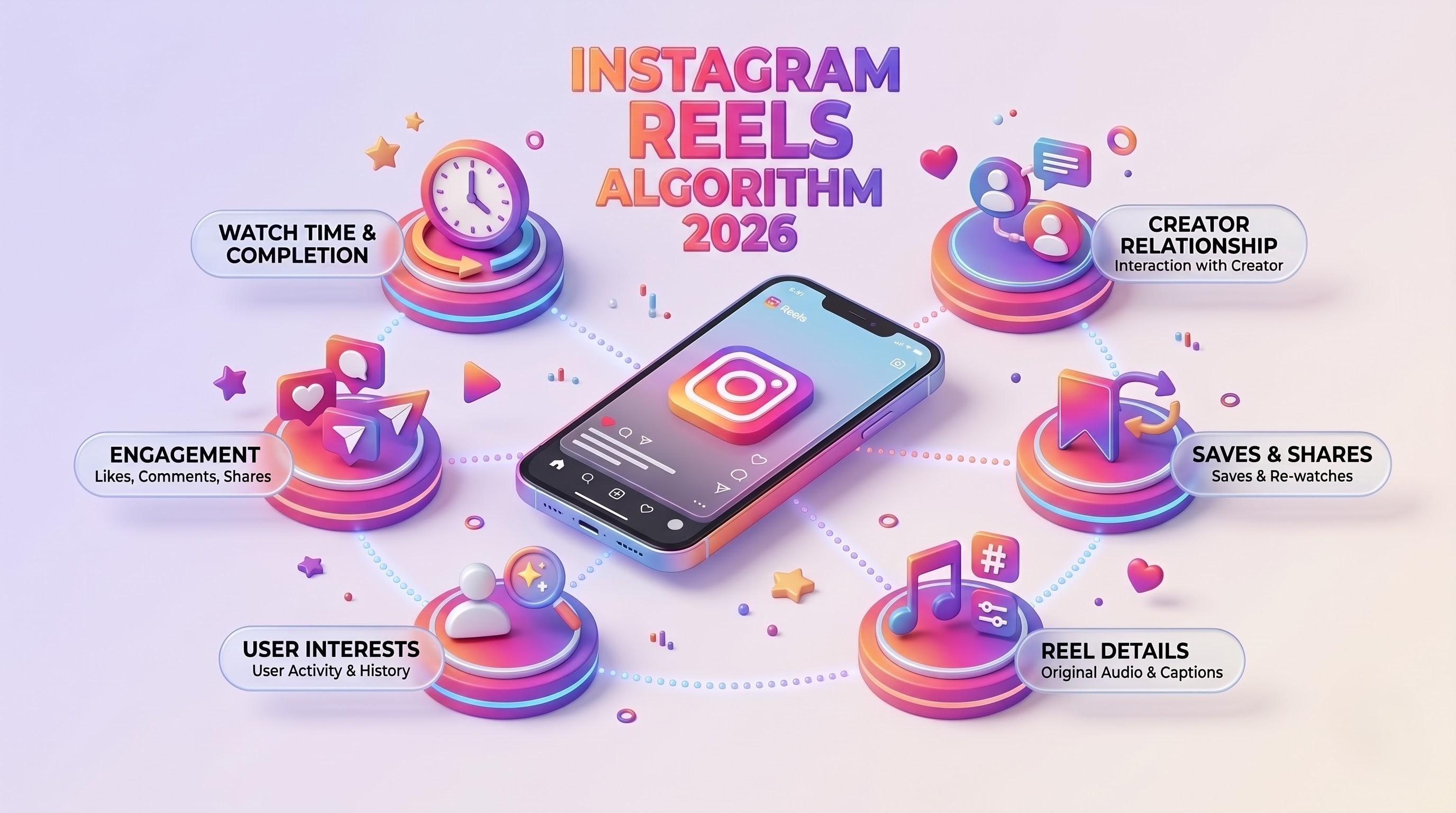
Instagram Reels Algorithm 2026: A Simple Guide for Tech-Savvy Teams
The Instagram Reels algorithm in 2026 ranks videos by watch time, DM sends and likes per reach. This easy guide explains how Reels are tested, what changed recently, and a practical checklist for developers, marketers, CTOs and product teams.

Business Corporate Intranets: A Simple Guide for Tech Teams
Business corporate intranets give every employee one secure place for news, files, people and tools. This easy guide covers features, architecture, security and a step-by-step build plan for CTOs, developers, testers and marketers.
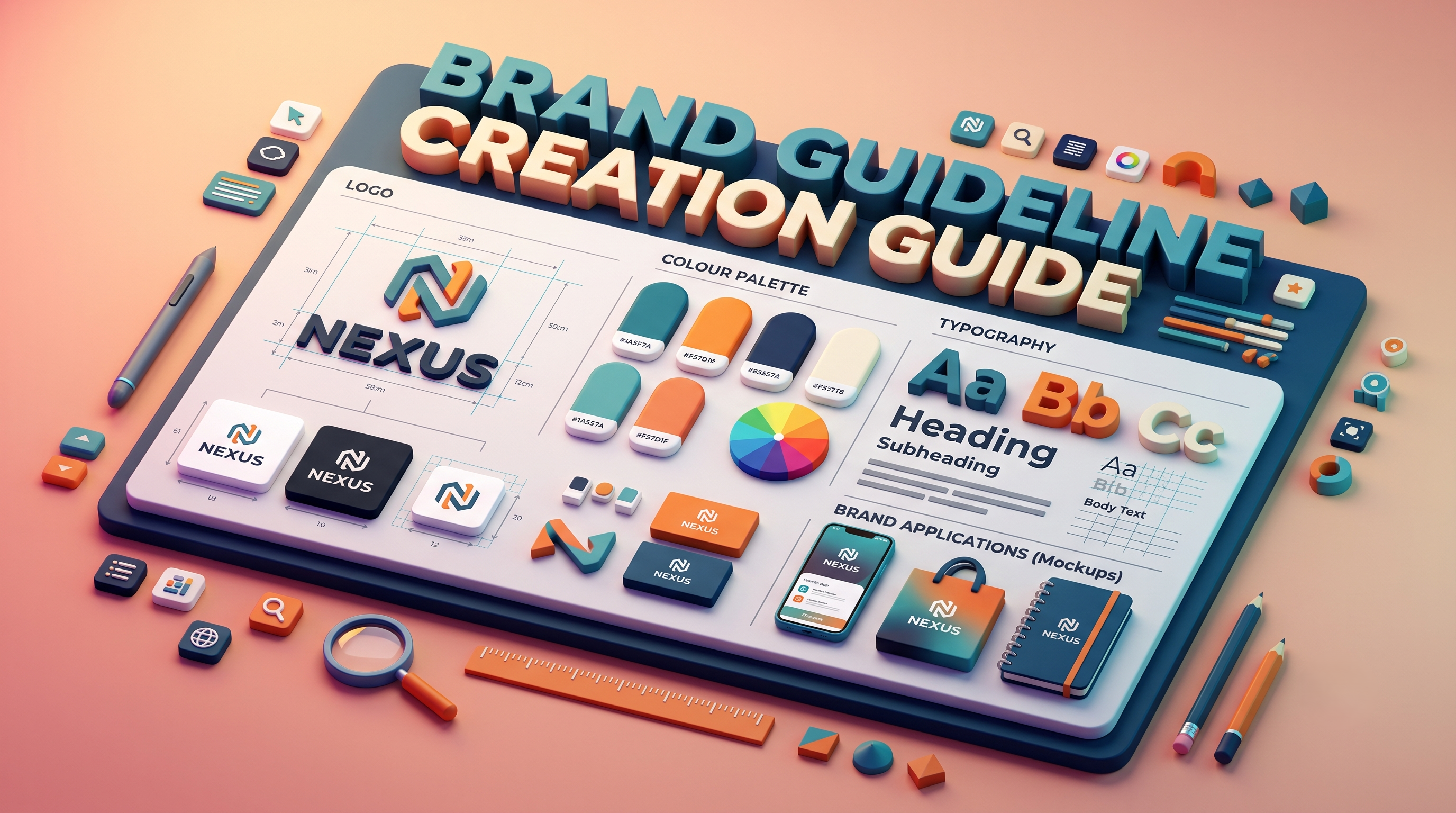
Brand Guideline Creation: A Step-by-Step Guide for Tech Brands
Brand guideline creation turns your logo, colours, fonts and voice into one clear rulebook for designers, developers, testers and marketers. This easy guide covers the core components, an 8-step process, design tokens for code, and how to connect your brand to SEO and AI.