
Table of Contents
Founders and CTOs lose an average of 40% of their workday to repetitive, low-impact administrative tasks. Every minute spent scheduling meetings, querying databases, or manually updating project boards is a minute stolen from strategic growth and high-level problem-solving. In today's hyper-competitive digital landscape, relying on manual processes is no longer just inefficient it is an active threat to your bottom line.
The solution isn't hiring more administrative staff; it's leveraging intelligent infrastructure. Implementing voice AI for business fundamentally shifts how daily operations are executed. From managing complex smart office ecosystems to triggering intricate CRM workflows with a single spoken command, modern voice technology is quietly revolutionizing enterprise efficiency.
At Cinute InfoMedia, we engineer technological ecosystems that work for you, not the other way around. In this guide, you will learn exactly how integrating intelligent voice interfaces translates directly into massive time savings and accelerated revenue growth for your company.
Why Manual Operations Are Costing Businesses Thousands Monthly
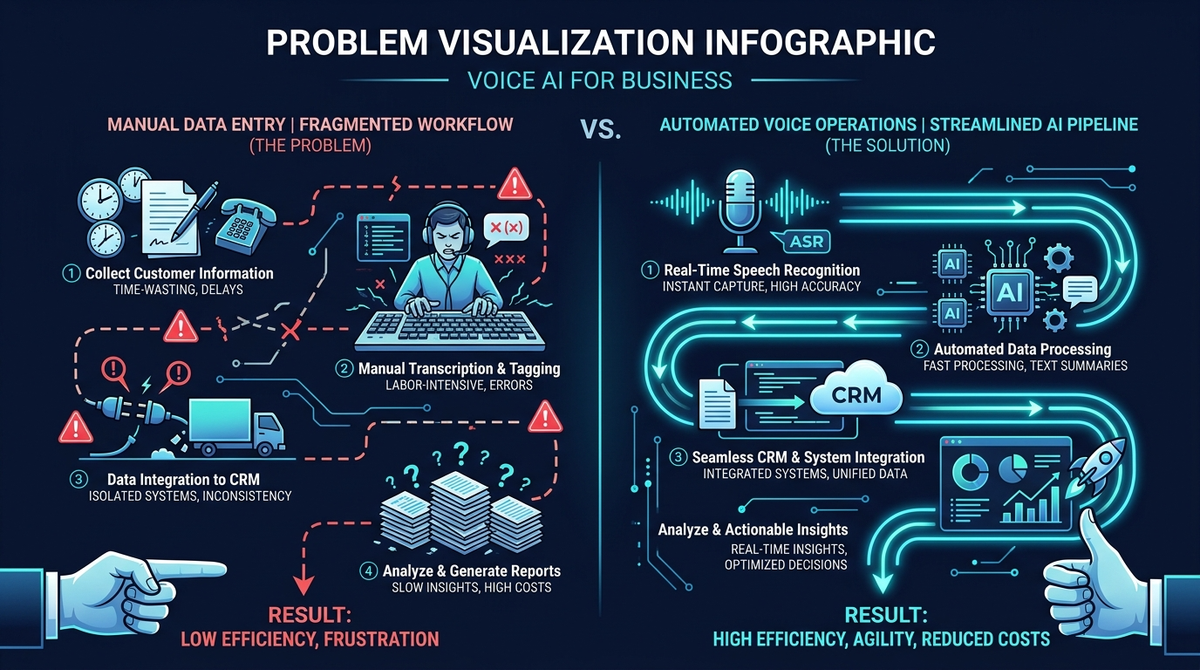
The hidden tax of manual business operations goes far beyond the surface-level inconvenience. When highly paid executives, specialized developers, or sales leads are bogged down by data entry, the opportunity cost is staggering. The average SME leaks thousands of dollars monthly simply because critical operational data is trapped behind multiple software screens and manual clicks.
Industry data confirms that context-switching moving between emails, CRMs, and project management tools destroys focus and drastically reduces cognitive capacity. Without a centralized, frictionless interface, your team operates in silos. This operational drag delays client response times, limits output, and ultimately stifles scalability. To eliminate these bottlenecks, forward-thinking organizations are investing in custom AI automation solutions to unify their tech stacks.
Relying on outdated, click-heavy interfaces is a fast track to employee burnout and operational stagnation. The sheer volume of micro-tasks required to keep a modern enterprise running demands a more elegant solution. By transitioning routine commands to an auditory interface, companies bypass the screen entirely. This isn't just about convenience; it's about fundamentally redesigning workflow architecture, much like integrating custom software development to bypass legacy system limitations entirely. Eliminating manual data entry is not just about saving time; it is a critical step in a comprehensive digital transformation strategy that future-proofs your enterprise and scales your capacity for growth.
How Voice AI for Business Solves Operational Bottlenecks Step by Step
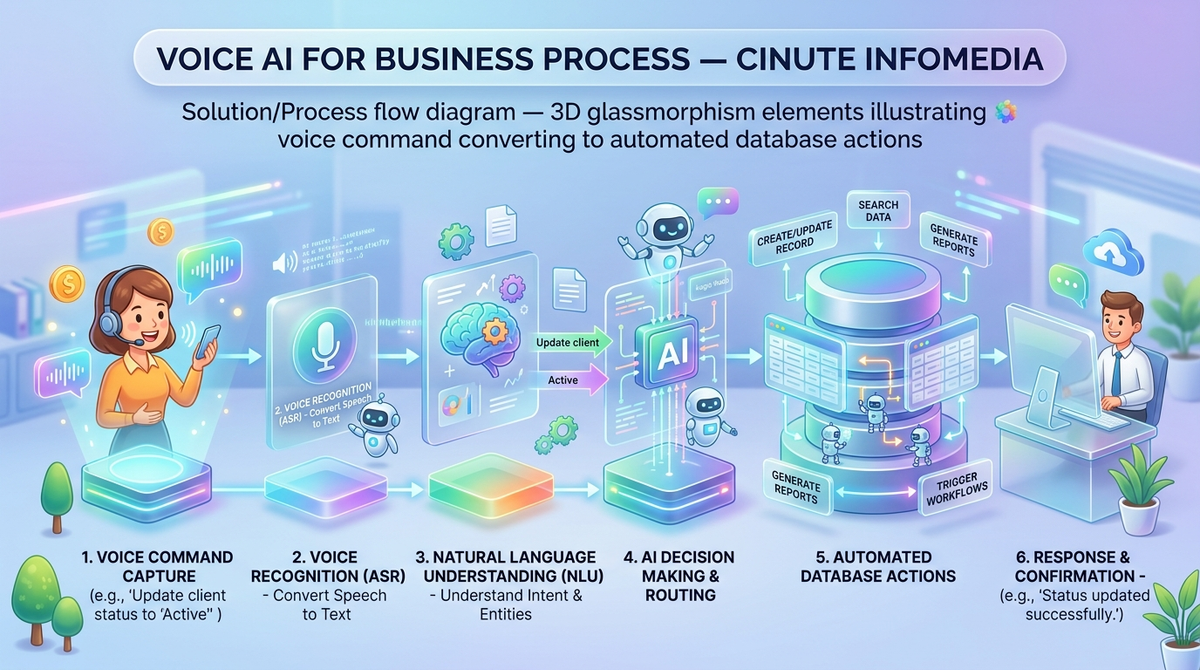
Integrating AI voice assistants into your daily operations creates a frictionless environment where actions are executed at the speed of speech. you can also use ai powered chatbot. Here is exactly how enterprise voice AI transforms business bottlenecks into streamlined, automated outcomes. Transitioning these routine administrative tasks into an intelligent, zero-click ecosystem requires secure architecture. Our customized AI automation solutions are engineered to seamlessly integrate voice capabilities directly into your existing corporate workflows without disrupting daily operations
1. Accelerated Data Retrieval and CRM Management
Pulling client metrics or updating sales pipelines traditionally requires logging into platforms, applying filters, and navigating dashboards. Voice integration allows decision-makers to simply ask, "What is the Q3 revenue projection for the Alpha account?" and receive instant, synthesized data. This zero-click access empowers teams to make faster, data-driven decisions on the fly.
2. Automated Task Delegation and Workflow Triggering
Instead of manually typing out tickets and assigning them across different departments, voice AI allows for instantaneous delegation. A project manager can state, "Create a high-priority ticket for the frontend team to fix the mobile checkout bug," and the AI routes the task, alerts the team, and updates the agile board automatically. If you want to see how this integrates into your current setup, get a free audit from our technical architects.
3. Seamless Customer Triage and Voice Commerce
Customer service teams are frequently overwhelmed by tier-one inquiries that could be easily automated. Custom voice applications handle initial customer triage, process reorders, and route complex issues to human agents only when necessary. This drastically reduces hold times and improves client satisfaction.
4. Intelligent Infrastructure and Office Management
From setting up smart conference rooms to managing lighting and temperature based on occupancy, Alexa for business applications handle the physical environment. This ensures that when your team steps into a room, the screens, audio, and presentation tools are perfectly configured without wasting 15 minutes on IT setup. This level of environmental control is critical for companies scaling their physical footprint alongside their ecommerce development.
Real Results: What Businesses Achieve
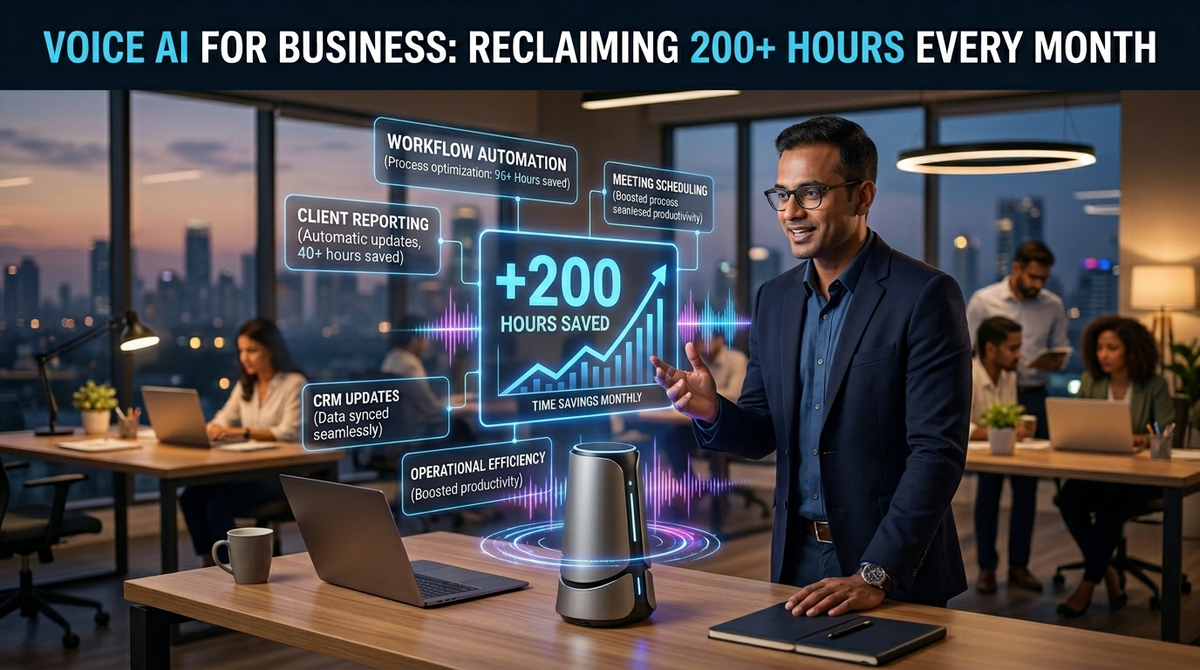
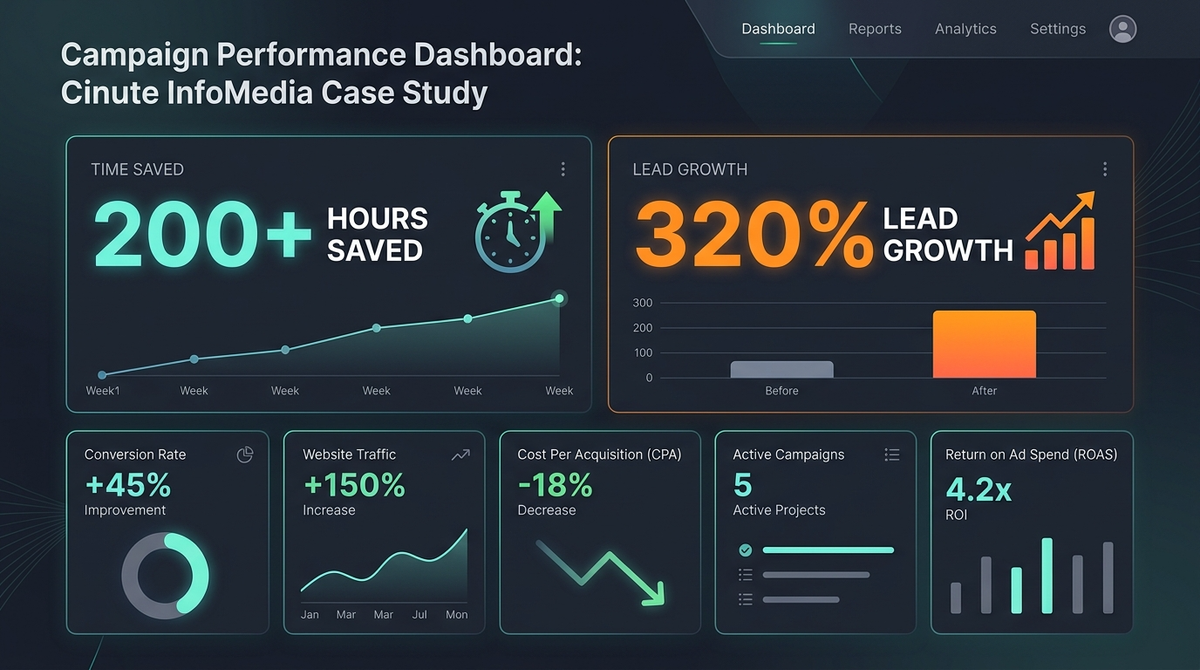
The implementation of intelligent voice architecture is not a vanity metric; it drives measurable, transformative ROI. At Cinute InfoMedia, our data-driven approach focuses strictly on outcomes that impact the balance sheet. Across our client base, businesses transitioning to voice-automated task management consistently reclaim over 200 hours every single month time immediately redirected toward client acquisition and product development.
Consider a recent deployment for a mid-sized B2B logistics firm. By integrating voice-activated inventory queries and automated reporting into their warehouse operations, we eliminated the need for manual clipboard tracking and end-of-day data entry. The result was a 3x increase in processing speed and a 320% jump in qualified leads handled by the newly freed-up sales team. They stopped managing software and started managing growth.
Since our establishment in 2014, we have recognized that true digital transformation requires deep technical expertise. Serving clients across 25+ countries for over a decade, our expert team ensures that every AI integration is explicitly tied to your specific business goals. We don't just install software; we engineer comprehensive systems designed to scale effortlessly with your enterprise.
Voice AI vs DIY / Cheaper Alternatives
When exploring how to automate business tasks with AI, many founders are tempted by off-the-shelf, consumer-grade smart speakers or cheap DIY automation scripts. While a basic device might set a timer or play music, it lacks the sophisticated security protocols and custom API integrations required for true enterprise use. Consumer devices operate in isolated environments, offering zero integration with your proprietary databases or specialized CRM software.
Enterprise-grade voice AI is custom-built to interact securely with your unique tech stack. It utilizes advanced natural language processing (NLP) to understand complex, industry-specific terminology and context. More importantly, professional integrations ensure that your proprietary corporate data remains strictly confidential and compliant with global security standards—a guarantee that out-of-the-box consumer gadgets simply cannot provide.
Investing in a custom, secure solution prevents catastrophic data leaks and operational downtime. Trying to patch together disparate cheap tools ultimately creates a fragile tech ecosystem that breaks whenever an API updates. Partnering with a dedicated agency ensures your automation is robust, secure, and aligned with your overarching digital transformation strategy.
Consumer-grade smart speakers cannot safely interact with proprietary company databases or complex CRMs. To ensure absolute data security and operational reliability, we leverage robust custom software development to build secure middleware that translates your spoken commands into instant, encrypted database actions.
How to Get Started with Cinute InfoMedia
Transitioning your operations to a voice-integrated powerhouse is a seamless process when guided by experienced architects. We ensure minimal disruption and maximum ROI through our proven 4-step deployment methodology:
- Discovery: We map out your exact operational bottlenecks, identifying the specific, high-friction tasks draining your team's time.
- Audit: Our engineers assess your current tech stack to determine the most secure and efficient integration points for AI voice assistants.
- Blueprint: We design a custom technical architecture, outlining exactly how data will flow from voice commands to database execution.
- Execution: We build, test, and deploy the system, providing comprehensive training to ensure immediate organizational adoption.
Do not let another month of wasted hours drain your company's potential. We offer a limited number of comprehensive technical reviews each month for qualifying businesses. Start your free digital audit today and discover exactly how much time and revenue you can reclaim.
Discover more ways to optimize your tech stack by visiting our blog.
Frequently Asked Questions
Q1. How secure is enterprise voice AI for business data?
Enterprise voice AI solutions are built with strict security guardrails, utilizing end-to-end encryption and custom APIs. Unlike consumer devices, custom integrations do not store sensitive audio data on public servers, ensuring full compliance with corporate privacy standards.
Q2. Can voice AI integrate with our custom CRM or legacy software?
Yes, custom voice applications are explicitly designed to connect with your existing infrastructure via secure APIs. Whether you use popular platforms like Salesforce or entirely proprietary legacy systems, custom middleware allows voice commands to interact seamlessly with your data.
Q3. How long does it take to see a return on investment (ROI)?
Most businesses experience measurable ROI within the first 60 to 90 days post-deployment. The immediate reduction in administrative task hours allows teams to redirect their focus toward revenue-generating activities almost instantly.
Q3. Is voice AI only useful for large enterprise corporations?
Not at all. SMEs and startups often see the most dramatic impact because smaller teams cannot afford to waste time on manual administration. Automating these tasks acts as a force multiplier, allowing a small team to output the work of a much larger organization.
Q4. What happens if the AI misunderstands a command?
Modern NLP models are highly accurate and trained on your specific business lexicon. Additionally, enterprise workflows are built with secondary confirmation protocols for critical actions, ensuring that no irreversible changes are made without explicit user verification.
Conclusion
Clinging to manual data entry and fragmented, click-heavy workflows is a fast track to operational burnout. By integrating voice AI for business, you eliminate friction, drastically accelerate decision-making, and reclaim hundreds of hours previously lost to administration. This technology is no longer a futuristic novelty; it is a foundational requirement for any company serious about scaling efficiently.
Ready to transform your operational efficiency and cut out the busywork? Contact Cinute Info Media for a free audit today.
Related Articles
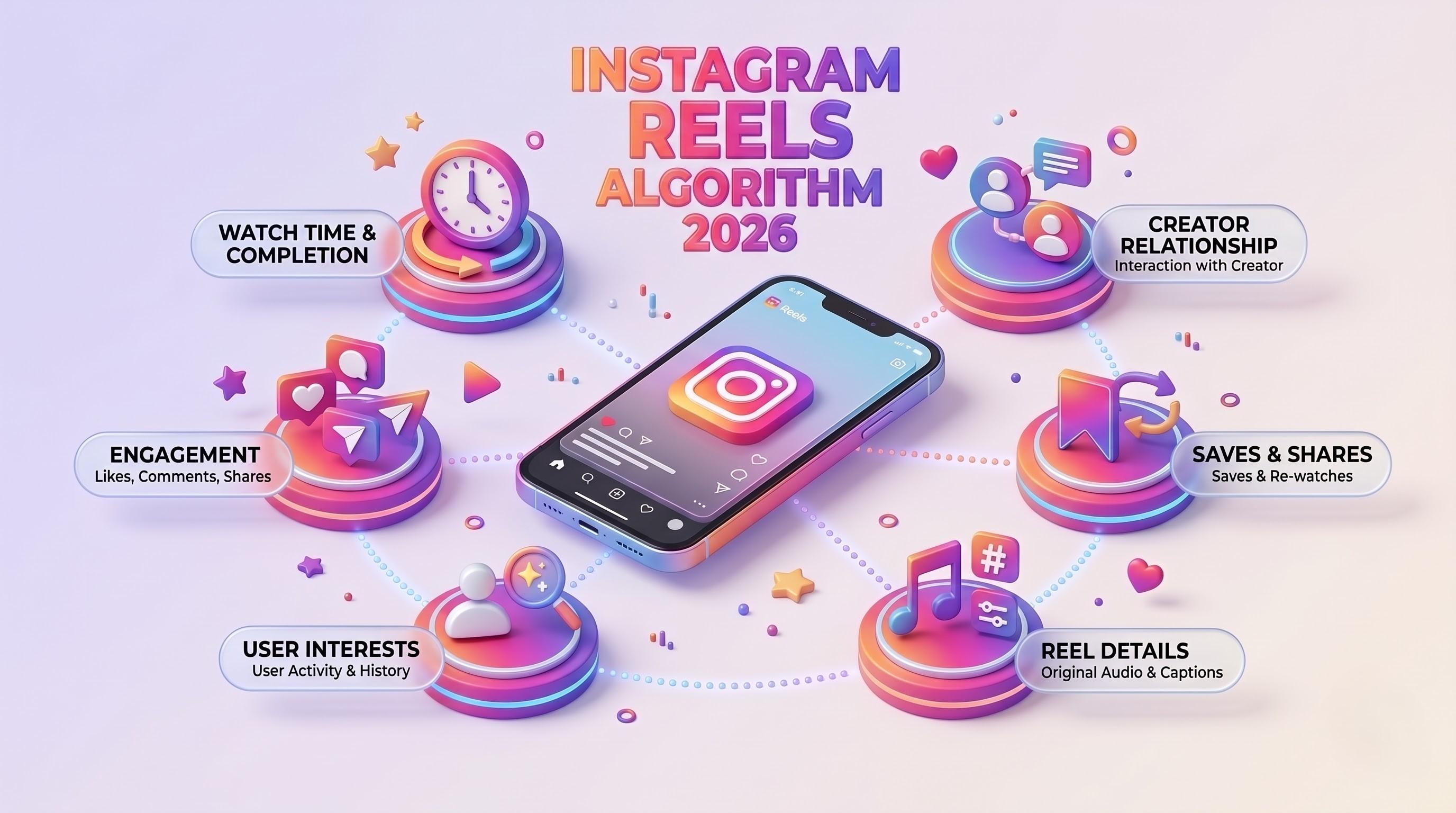
Instagram Reels Algorithm 2026: A Simple Guide for Tech-Savvy Teams
The Instagram Reels algorithm in 2026 ranks videos by watch time, DM sends and likes per reach. This easy guide explains how Reels are tested, what changed recently, and a practical checklist for developers, marketers, CTOs and product teams.

Business Corporate Intranets: A Simple Guide for Tech Teams
Business corporate intranets give every employee one secure place for news, files, people and tools. This easy guide covers features, architecture, security and a step-by-step build plan for CTOs, developers, testers and marketers.
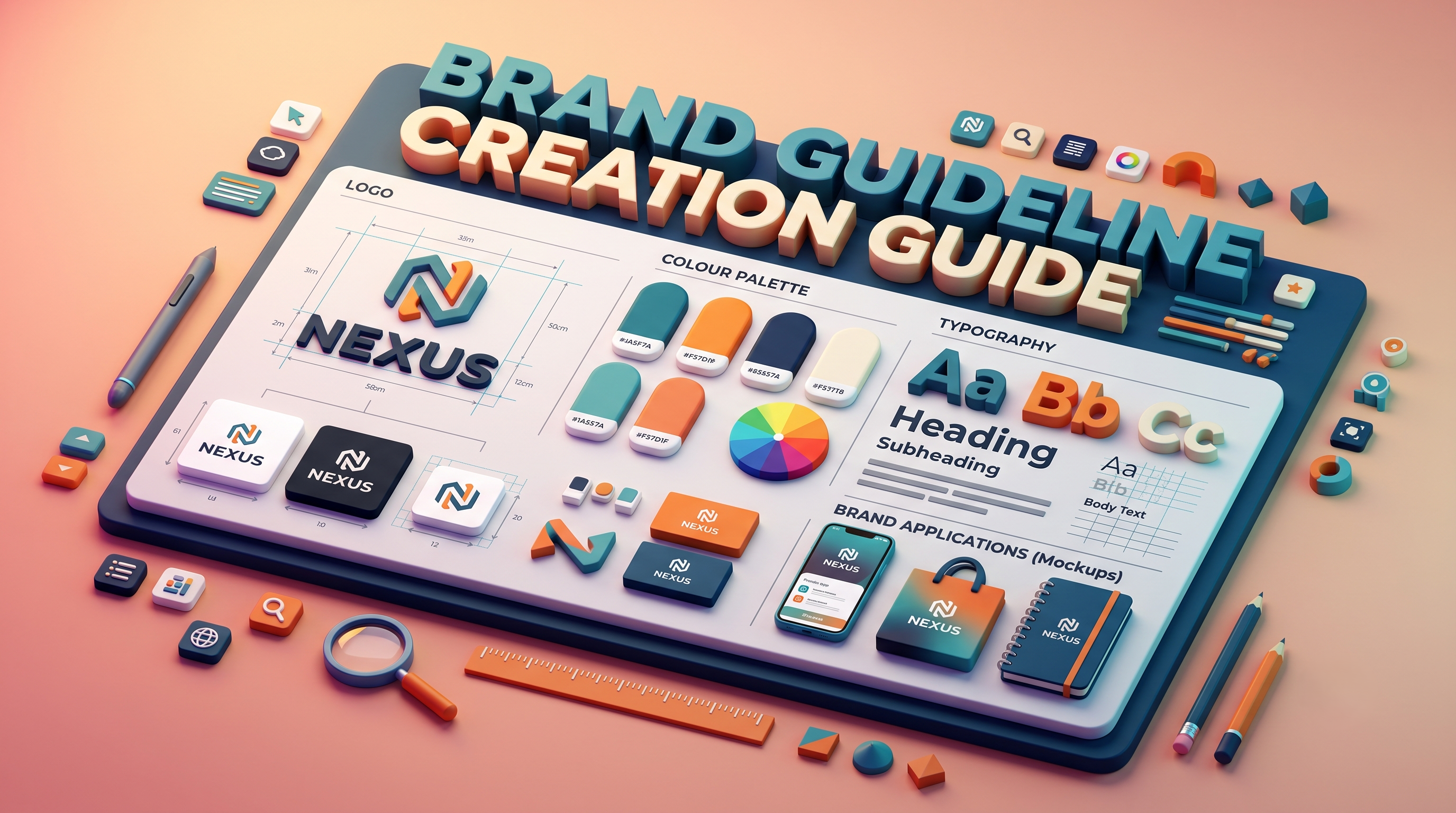
Brand Guideline Creation: A Step-by-Step Guide for Tech Brands
Brand guideline creation turns your logo, colours, fonts and voice into one clear rulebook for designers, developers, testers and marketers. This easy guide covers the core components, an 8-step process, design tokens for code, and how to connect your brand to SEO and AI.