
Table of Contents
In the rapidly evolving digital landscape of 2026, conducting a thorough Technical SEO Audit Checklist 2026 is the cornerstone of any successful online strategy. As search engines transition from simple keyword matching to complex AI-driven understanding, your website’s underlying infrastructure must be flawless. Technical SEO ensures that search engine bots can crawl, index, and understand your content without friction. Gone are the days when basic meta tags were enough; today, factors like Server-Side Rendering (SSR), Edge SEO, and Entity-based architectures dictate who wins the top spot. This guide is designed to provide you with a comprehensive roadmap to identify hidden bottlenecks and leverage modern optimization techniques to ensure your website remains competitive, visible, and authoritative for the long haul.

2. The Foundation: Crawlability and Indexability
Before you can rank, you must be found. In 2026, search engines are more selective about their "crawl budget" than ever before due to the massive influx of AI-generated content.
- Robots.txt Optimization: Ensure your robots.txt file is not blocking critical CSS or JS files. With the rise of visual search, bots need to see your site exactly as a user does.
- Sitemap Health: Your XML sitemap should be dynamic and only include SEO-friendly URLs with 200 OK status codes. Remove any redirects or 404s from your sitemap to save crawl budget.
- Crawl Depth: No important page should be more than three clicks away from the homepage. A flat site architecture is essential for distributing link equity effectively.
If your site structure feels cluttered, our specialized Search Engine Optimization (SEO) team can help you restructure for maximum visibility.

3. Core Web Vitals 2.0: Speed and Interaction
By 2026, Google has moved beyond basic LCP and CLS. The focus is now on Interaction to Next Paint (INP) and Smoothness.
- Server Response Times: Use a high-performance CDN to ensure your Time to First Byte (TTFB) is under 200ms globally.
- Image Optimization: Move beyond WebP to AVIF formats and implement "priority hints" for your hero images to boost loading speeds.
- JavaScript Execution: Minimize main-thread work. Heavy JS is the number one killer of rankings in 2026. Consider Partytown or similar libraries to move third-party scripts to web workers.
Great design and speed go hand-in-hand. If your site feels sluggish, it might be time for a professional Web Design and Development overhaul to ensure your code is lean and modern.
4. Mobile-First & Responsive Rendering
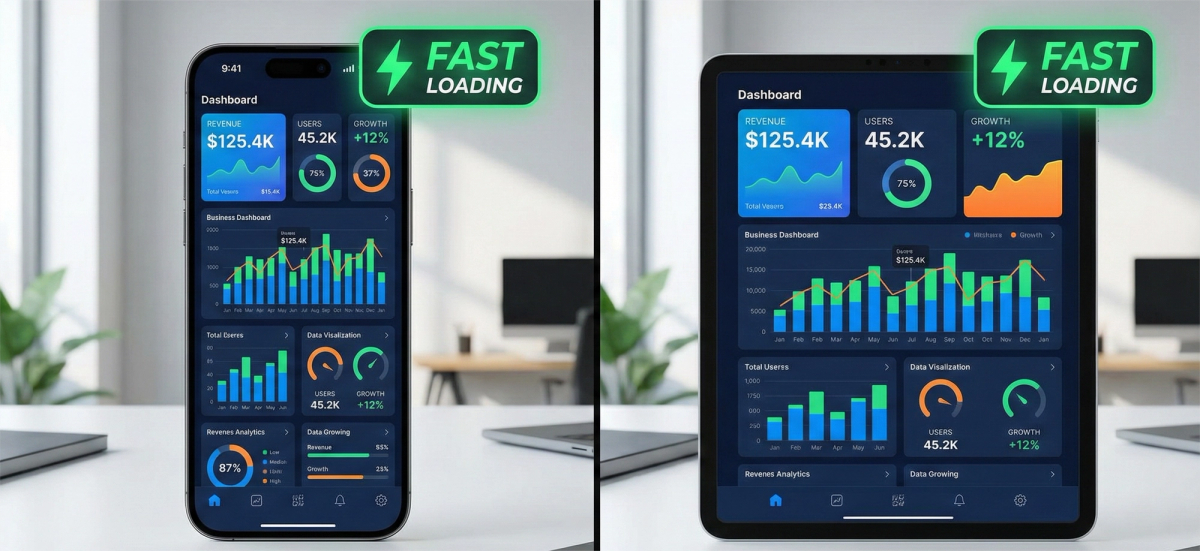
Mobile-first indexing is now "Mobile-Only" indexing. If your site doesn't perform on a mid-range smartphone over a 4G connection, you will lose 80% of your potential traffic.
- Viewport Configuration: Ensure your viewport is set correctly to prevent horizontal scrolling.
- Touch Targets: Buttons and links must be easily tappable (at least 48x48 pixels) to satisfy user experience (UX) requirements.
- Dynamic Serving: Avoid serving different content to mobile vs. desktop. Parity is key for ranking stability.
To reach your audience where they spend most of their time, a robust Mobile App Development strategy can complement your mobile web presence and build brand loyalty.
5. Semantic SEO and Schema Markup
Search engines now use Large Language Models (LLMs) to understand the context of your content. You need to speak their language using JSON-LD Schema.
- Article & FAQ Schema: Explicitly define your content for snippets.
- Product & Review Schema: Essential for e-commerce to show star ratings and prices directly in search results.
- Organization Schema: Connect your social profiles and brand entities to build your Knowledge Graph.
High-quality content is the fuel for this schema. Our Content Writing experts focus on "Entity-based writing," ensuring your text is naturally rich in the semantic terms that AI search engines crave.
6. Security, HTTPS, and Privacy
User trust is a ranking factor. In 2026, basic SSL is the bare minimum.
- TLS 1.3: Ensure your server supports the latest encryption protocols for speed and security.
- HSTS: Implement HTTP Strict Transport Security to force secure connections.
- Privacy Compliance: Ensure your site handles data according to the latest global regulations (GDPR, CCPA, etc.), as data transparency influences brand authority.

7. Architecture and Internal Linking
A logical flow of internal links helps search engines understand the hierarchy of your website.
- Silo Structure: Group related content into topical silos. This builds topical authority.
- Breadcrumbs: Always use hierarchical breadcrumbs with proper Schema.
- Orphan Pages: Use a crawler to find pages with no incoming internal links and fix them immediately.
Promoting your high-value pages through Social Media Marketing can also drive "discovery" traffic that helps search engines find and index new content faster.
8. Advanced Technical Fixes
- Canonicalization: Use self-referencing canonicals to prevent duplicate content issues caused by URL parameters.
- Hreflang Tags: If you are a global brand, ensure your international targeting is set correctly in the header or sitemap.
- Pagination: Use
rel="next"andrel="prev"(or "load more" patterns) correctly to ensure bots don't get stuck in pagination loops.
While technical SEO is the engine, your brand's visual identity is the body. Our Brand Designing Services can ensure that while your site is technically sound, it also looks stunning and converts visitors into customers.

9. AI and Search Generative Experience (SGE) Readiness
In 2026, you aren't just ranking for users; you are ranking for AI Summaries.
- Direct Answers: Structure your headings (H2, H3) as questions and provide clear, concise answers in the first paragraph.
- Fact-Checking: AI engines prioritize accuracy. Ensure all data points are cited or verified.
- Technical Transparency: Ensure your site's "About" and "Expertise" sections are crawlable to satisfy E-E-A-T requirements.
If all this sounds overwhelming, don't worry. A comprehensive Digital Marketing strategy incorporates all these technical elements into a cohesive plan that drives ROI.
10. FAQ Section
Q1: How often should I perform a Technical SEO Audit? A: For most websites, a deep-dive audit should be performed quarterly. However, automated monitoring for 404 errors and server uptime should be checked weekly.
Q2: Is site speed still a ranking factor in 2026? A: Yes, but the focus has shifted to responsiveness (INP). It’s not just about how fast the page loads, but how quickly it reacts when a user clicks a button.
Q3: Does AI-generated content hurt my Technical SEO? A: Not inherently. However, the excess of AI content can lead to "Index Bloat." Use your technical audit to ensure only high-value, unique pages are being indexed.
Q4: What is the most common technical error? A: Broken internal links and improper redirects remain the most common issues that drain crawl budget and frustrate users.
Q5: Should I use a plugin for my SEO audit? A: Plugins are great for basics, but for a Technical SEO Audit Checklist 2026, you should use professional tools like Screaming Frog, Ahrefs, or Semrush for a deeper analysis.
11. Conclusion
Conducting a Technical SEO Audit Checklist 2026 is not a one-time task but a continuous journey toward digital excellence. As we have explored, the landscape is shifting toward a more AI-integrated, user-centric, and lightning-fast experience. By focusing on crawlability, mastering Core Web Vitals, and ensuring your data is structured for LLMs, you provide a frictionless path for both search engines and users. At Cinute Infomedia, we believe a technically sound website is the foundation upon which all other marketing efforts are built. Without it, your content remains invisible; with it, your brand becomes an unstoppable force in the SERPs. Stay proactive, stay updated, and remember that in the world of SEO, the smallest technical detail often makes the biggest difference in your bottom line. Take these steps today to future-proof your website for 2026 and beyond.
Related Articles
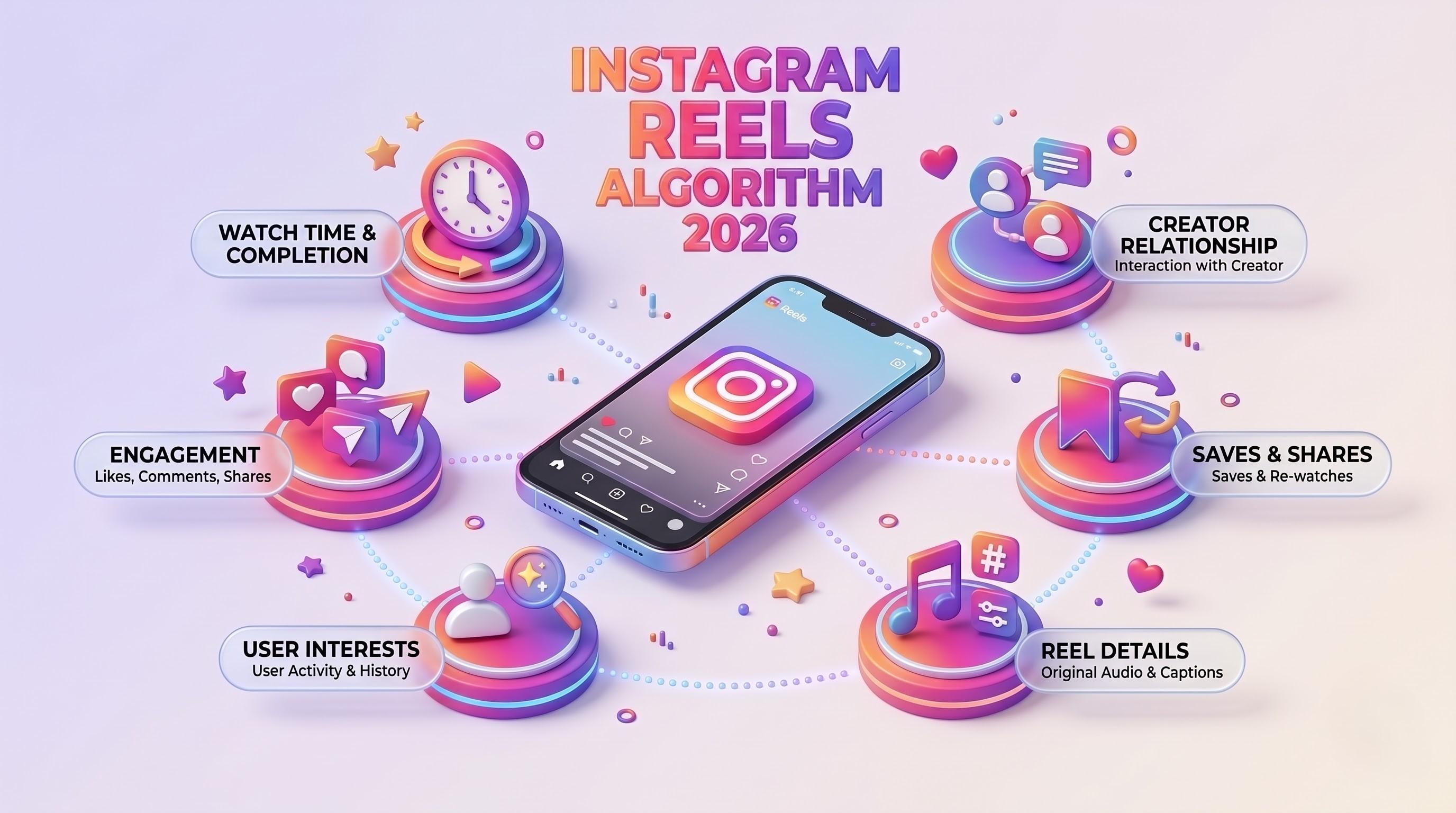
Instagram Reels Algorithm 2026: A Simple Guide for Tech-Savvy Teams
The Instagram Reels algorithm in 2026 ranks videos by watch time, DM sends and likes per reach. This easy guide explains how Reels are tested, what changed recently, and a practical checklist for developers, marketers, CTOs and product teams.
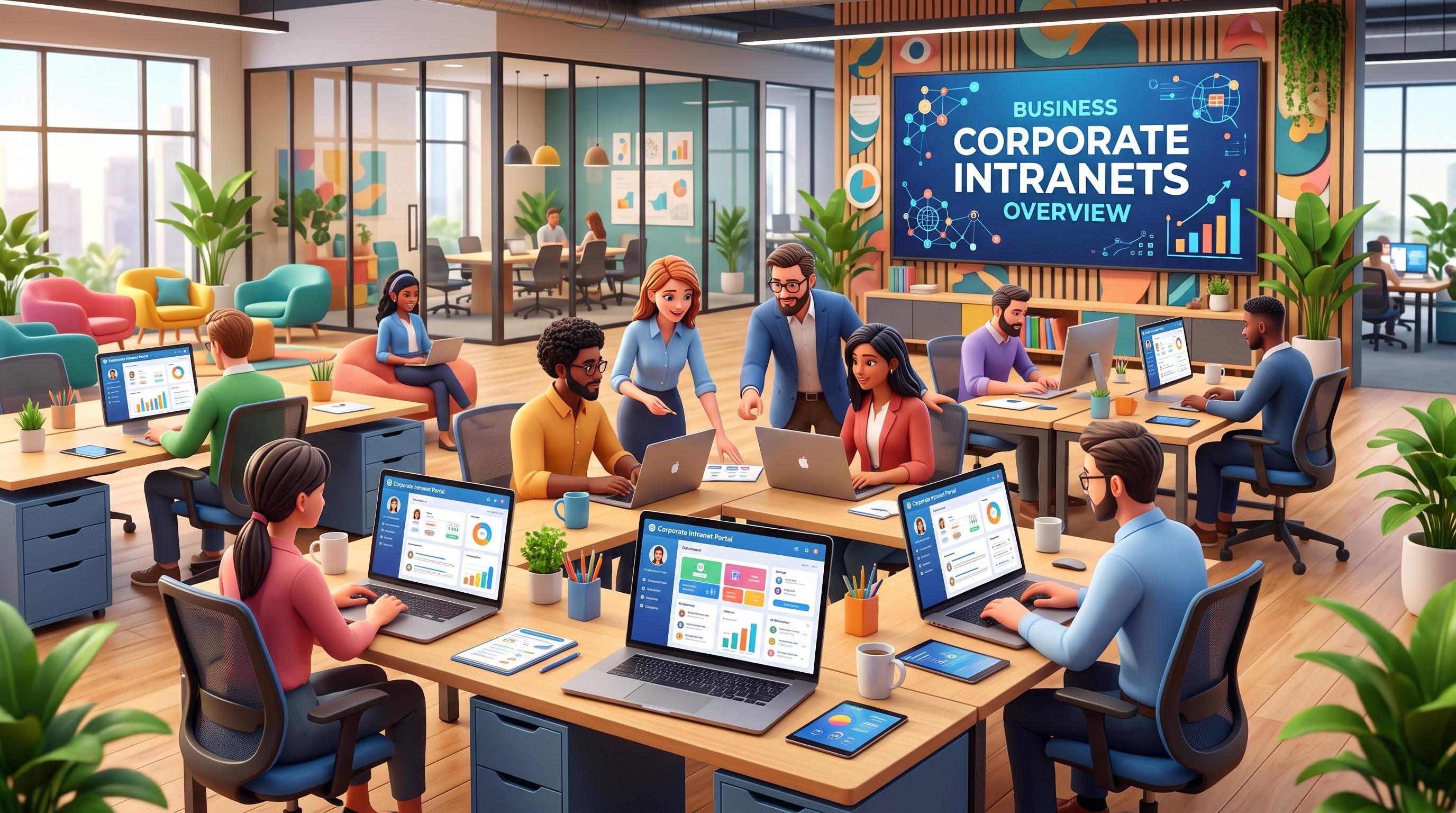
Business Corporate Intranets: A Simple Guide for Tech Teams
Business corporate intranets give every employee one secure place for news, files, people and tools. This easy guide covers features, architecture, security and a step-by-step build plan for CTOs, developers, testers and marketers.
Brand Guideline Creation: A Step-by-Step Guide for Tech Brands
Brand guideline creation turns your logo, colours, fonts and voice into one clear rulebook for designers, developers, testers and marketers. This easy guide covers the core components, an 8-step process, design tokens for code, and how to connect your brand to SEO and AI.