
Table of Contents
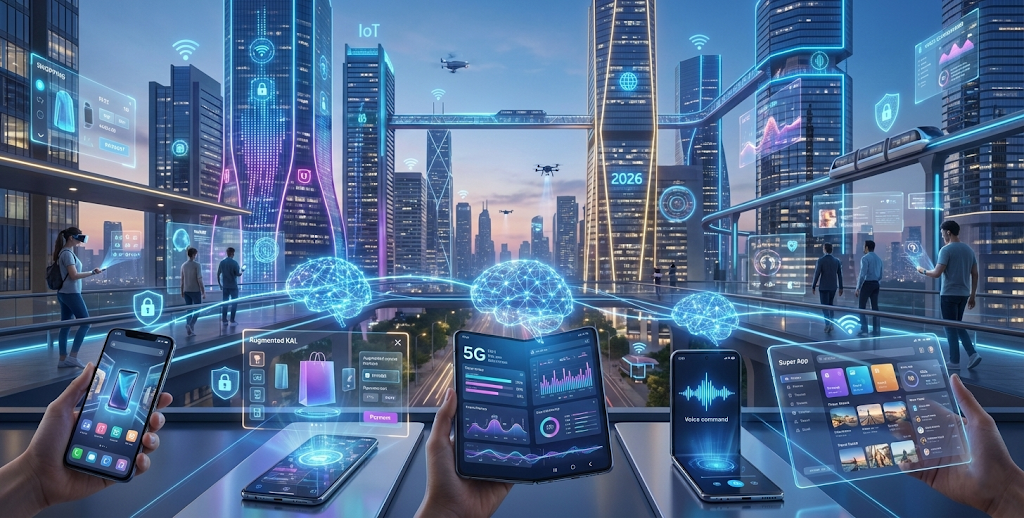
In 2026, mobile app development trends are reshaping how we interact with technology daily. As smartphones evolve into powerful hubs for work, entertainment, and health, developers must adapt to innovations like AI integration, 5G advancements, and immersive AR/VR experiences. These shifts promise hyper-personalized apps that anticipate user needs while prioritizing data privacy amid rising regulations.
Businesses leveraging these trends gain a competitive edge, with global mobile app revenue projected to exceed $500 billion. Whether you're building e-commerce platforms or fitness trackers, understanding mobile app development trends in 2026 ensures scalable, user-centric solutions. This guide breaks down key developments in simple terms, helping developers, entrepreneurs, and marketers future-proof their projects
AI-Powered Personalization
Artificial Intelligence dominates mobile app development trends in 2026, moving beyond chatbots to predictive partners. Apps now use on-device AI for real-time adaptations, like fitness trackers adjusting workouts based on biometric data without cloud dependency.
This hyper-personalization boosts retention by 30-40%, as users feel understood. Developers integrate edge AI frameworks like TensorFlow Lite for privacy-safe processing. Bold key term: AI personalization reduces latency, enabling features like adaptive e-learning apps that tailor content to learning styles.
Ethical AI design includes transparent algorithms, building trust. For instance, shopping apps predict preferences from past behavior while offering data control toggles.
5G and Edge Computing Boom
5G networks unlock ultra-low latency, transforming apps into responsive powerhouses. In 2026, expect seamless AR navigation in real-time traffic or remote surgeries via mobile interfaces.
Edge computing processes data locally, slashing delays to milliseconds. This supports IoT-heavy apps like smart home controls that sync instantly across devices. Developers favor frameworks like Flutter for cross-platform efficiency on 5G hardware.
Battery life improves with optimized protocols, making always-on features viable. Gaming apps, for example, render complex graphics without overheating.
Rise of Super Apps and Mini-Programs
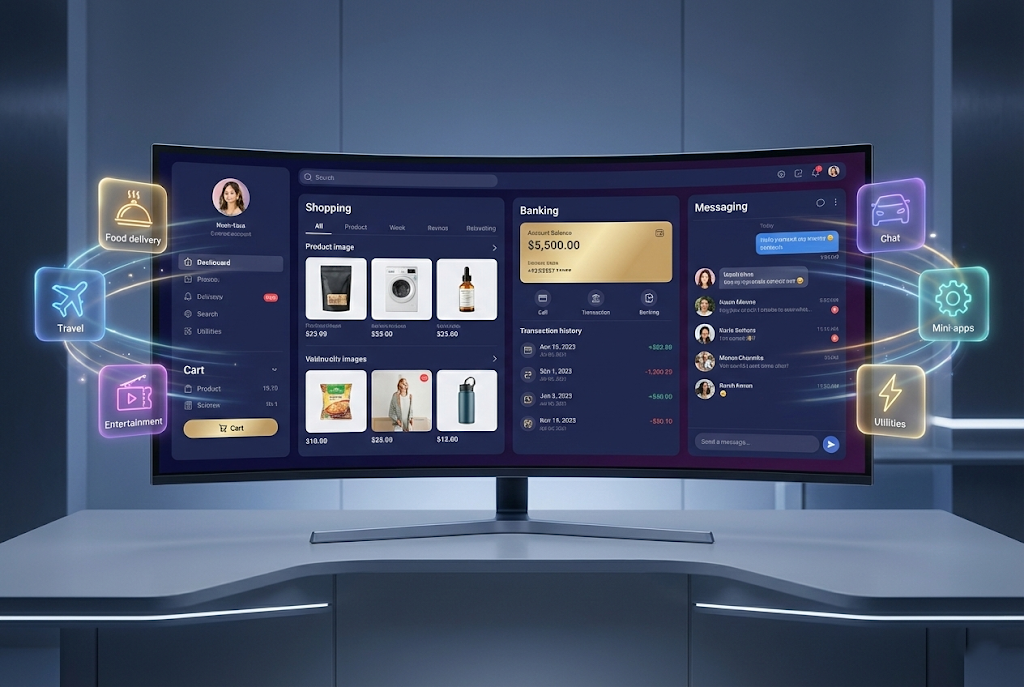
Inspired by Asia's WeChat, super apps consolidate services into one platform by 2026. Users handle payments, rides, and social media without switching apps, cutting friction.
Mini-apps – lightweight embeds – allow quick access without full downloads. This trend favours ecosystems like Apple's App Clips or Android's Dynamic Delivery, speeding user acquisition.
Monetization shifts to in-app economies, with seamless integrations boosting dwell time. Businesses save on development by plugging into these hubs
AR/VR Immersive Experiences
Augmented and Virtual Reality blur digital-physical boundaries in mobile app development trends in 2026. Lightweight AR glasses pair with phones for "try-before-buy" retail, like virtual furniture placement.
Spatial computing enables collaborative virtual meetings via mobile VR. Tools like ARKit and ARCore simplify integration, with 5G streaming high-res overlays.
Education apps use AR for interactive anatomy lessons, enhancing retention. Adoption surges in healthcare and training, with privacy filters for shared AR spaces.
Voice-First and Ambient Interfaces
Typing fades as voice-first apps leverage advanced NLP for natural conversations. By 2026, multimodal UIs combine voice, gestures, and touch for intuitive control.
Ambient computing makes apps context-aware, like smart assistants adjusting music to mood via wearables. Developers use models like Whisper for offline voice processing.
Accessibility improves for hands-free scenarios, from driving to cooking. Interlink 1: Explore our mobile app testing services to ensure voice features perform flawlessly.
Privacy-First and Sustainable Design
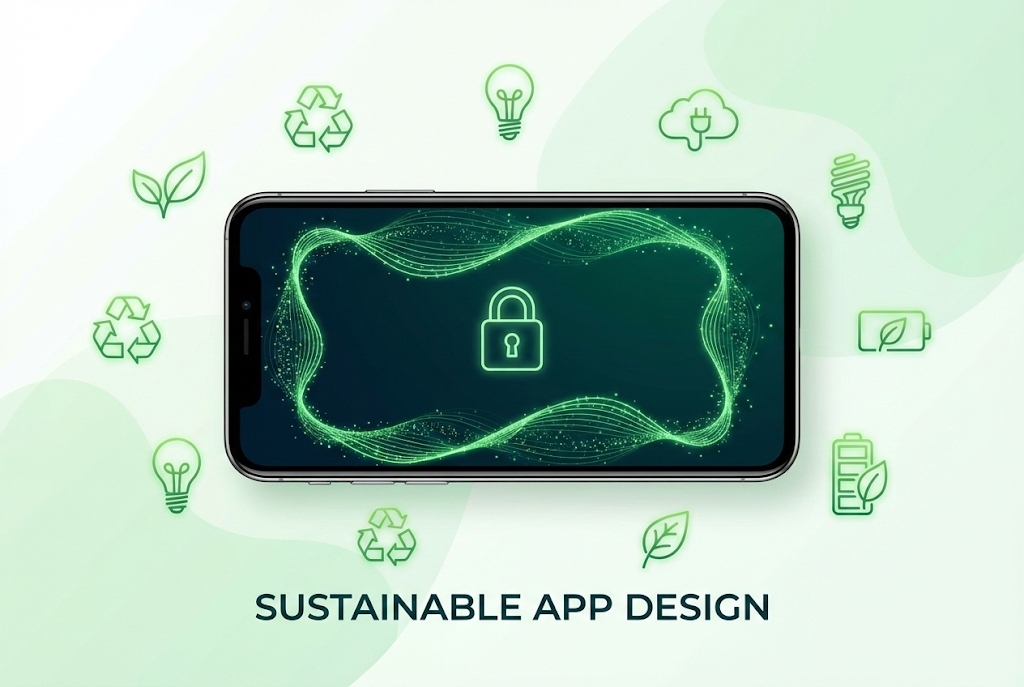
With regulations like GDPR evolving, privacy-by-design is non-negotiable. On-device processing and zero-knowledge proofs let apps personalize without data sharing.
Sustainable apps optimize for energy efficiency, using green coding practices. Low-code platforms accelerate development while minimizing carbon footprints.
Users reward transparent apps with loyalty, as seen in blockchain-secured health trackers. Bold: Sustainable development aligns with eco-conscious consumers
Cross-Platform and Low-Code Acceleration
Cross-platform tools like Flutter and React Native dominate, cutting costs by 40%. In 2026, they support AI and AR natively for consistent iOS-Android experiences.
No-code/low-code platforms empower non-developers, with AI auto-generating code. This democratizes app creation for startups.
Hybrid approaches blend speed and customization. Interlink 2: Leverage our software testing services for robust cross-platform validation.
Blockchain and Web3 Integration
Decentralized apps (dApps) embed blockchain for secure transactions. Web3 wallets in mobile apps enable NFT marketplaces or DeFi on-the-go.
Zero-gas fees via layer-2 solutions make it user-friendly. Gaming apps reward play-to-earn models transparently.
Security audits are crucial amid hacks. Interlink 3: Secure your blockchain apps with our QA automation services.
Health-Tech and Wearables Synergy
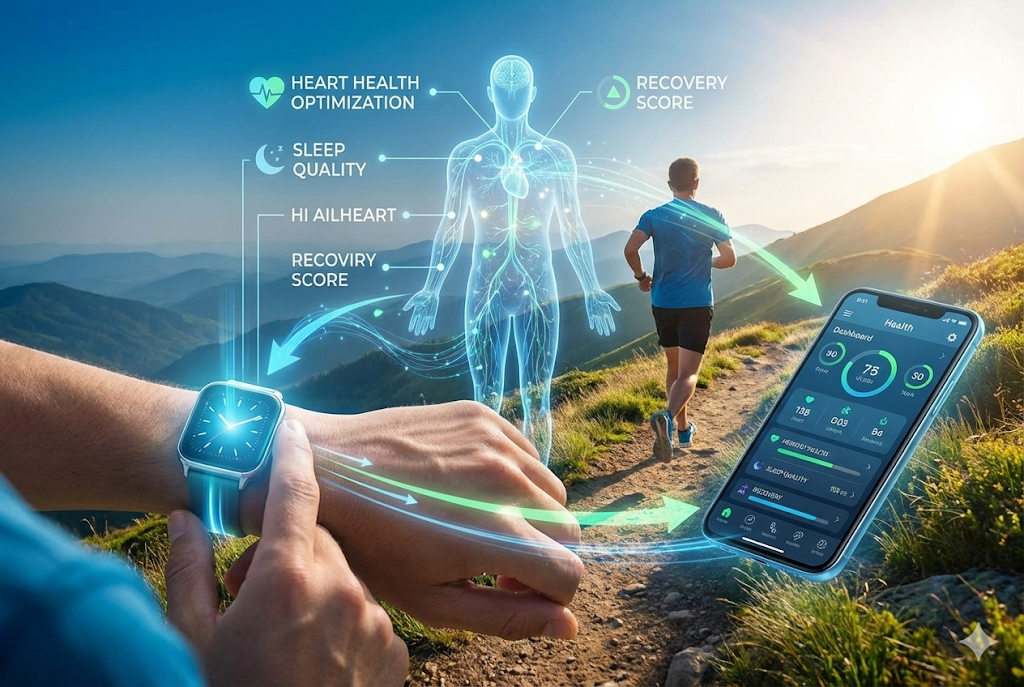
Post-pandemic, health apps integrate wearables for proactive monitoring. AI predicts issues like stress via heart rate variability.
Telemedicine evolves with AR diagnostics. Compliance with HIPAA ensures trust.
Optimize health apps via our performance testing services
Foldables and New Form Factors
Foldable screens demand adaptive UIs. Apps expand seamlessly across hinges, enhancing multitasking.
Test foldable compatibility with our mobile app QA services.
Advanced Security Measures
Biometrics evolve to behavioural analysis, detecting anomalies. Quantum-resistant encryption prepares for future threats.
Post-quantum cryptography is standard.

FAQ
What are the top mobile app development trends in 2026? AI personalization, 5G edge computing, super apps, AR/VR, and privacy-first design lead the pack.
How does AI impact mobile apps in 2026? AI enables predictive, on-device features for hyper-personalization while respecting privacy.
Why choose cross-platform development now? It reduces costs and ensures consistent experiences across iOS and Android.
Are super apps viable outside Asia? Yes, with mini-apps accelerating adoption in the West for one-stop services.
How to ensure app security in 2026? Use behavioural biometrics, on-device processing, and quantum-resistant encryption.
Conclusion
Mobile app development trends in 2026 converge on intelligent, seamless, and ethical experiences. Embrace AI, 5G, and immersive tech to build apps that evolve with users. Partner with experts at Cinute Info Media for cutting-edge development and testing to lead the market
Related Articles
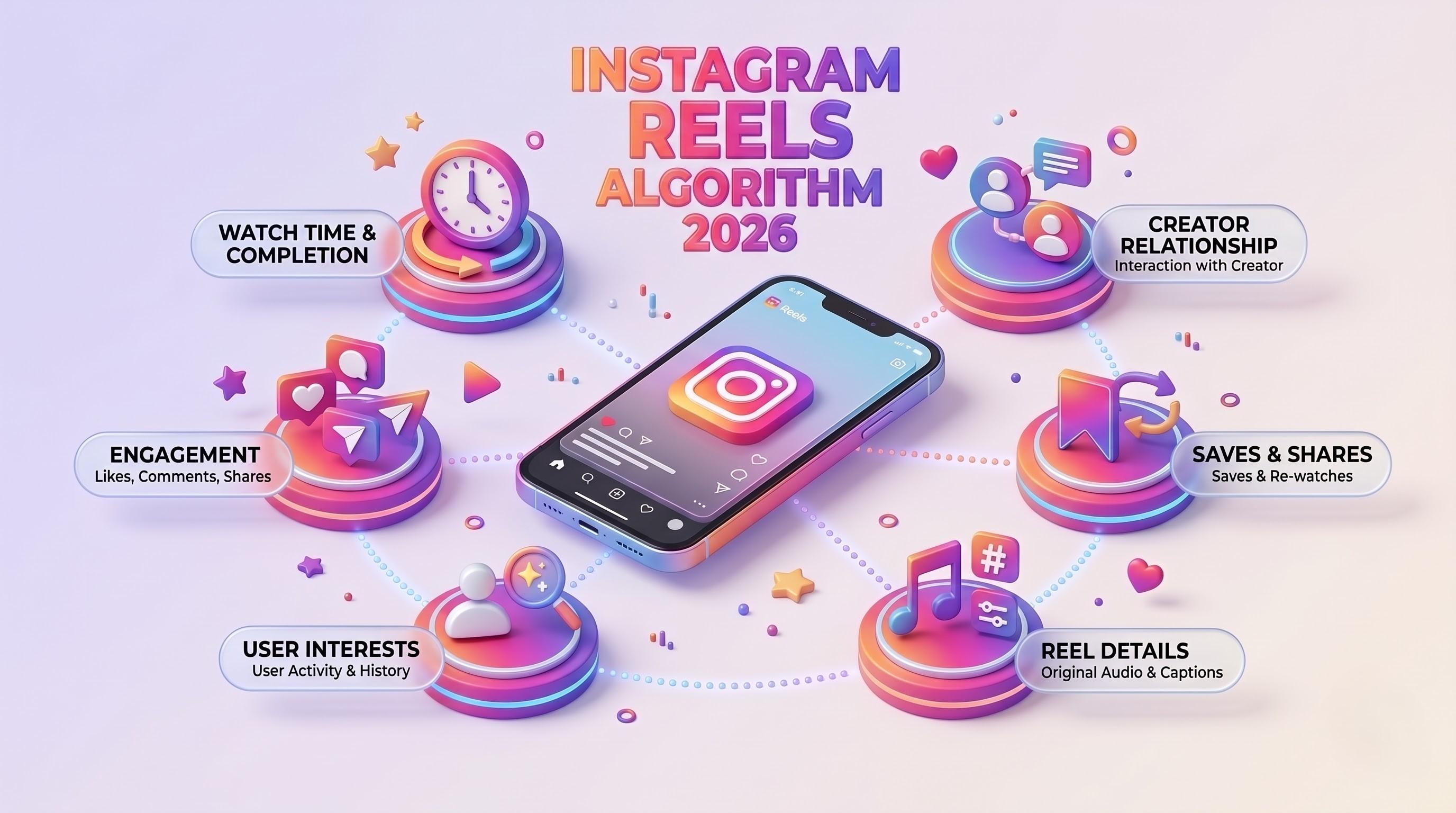
Instagram Reels Algorithm 2026: A Simple Guide for Tech-Savvy Teams
The Instagram Reels algorithm in 2026 ranks videos by watch time, DM sends and likes per reach. This easy guide explains how Reels are tested, what changed recently, and a practical checklist for developers, marketers, CTOs and product teams.
Business Corporate Intranets: A Simple Guide for Tech Teams
Business corporate intranets give every employee one secure place for news, files, people and tools. This easy guide covers features, architecture, security and a step-by-step build plan for CTOs, developers, testers and marketers.
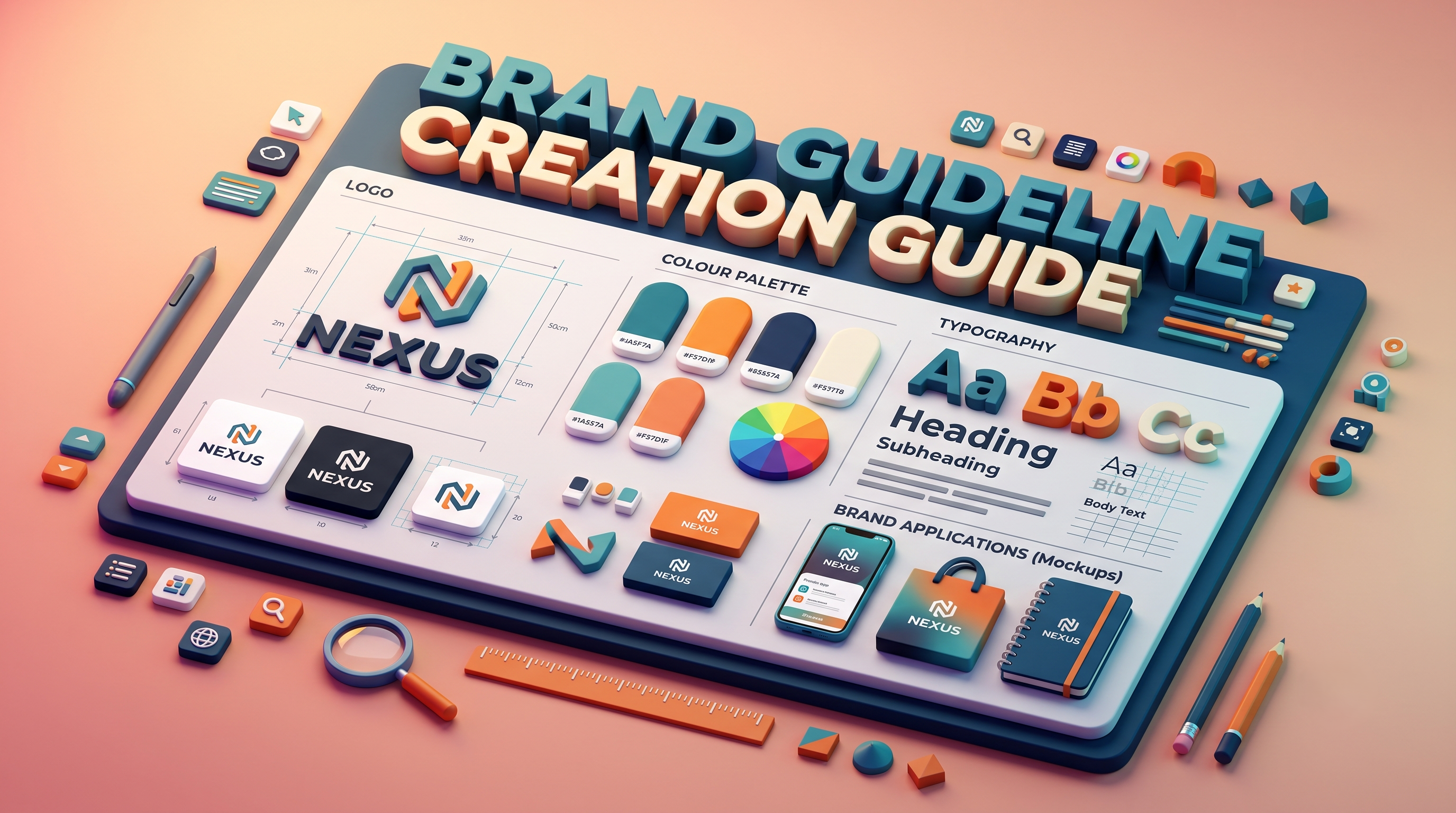
Brand Guideline Creation: A Step-by-Step Guide for Tech Brands
Brand guideline creation turns your logo, colours, fonts and voice into one clear rulebook for designers, developers, testers and marketers. This easy guide covers the core components, an 8-step process, design tokens for code, and how to connect your brand to SEO and AI.