
Table of Contents
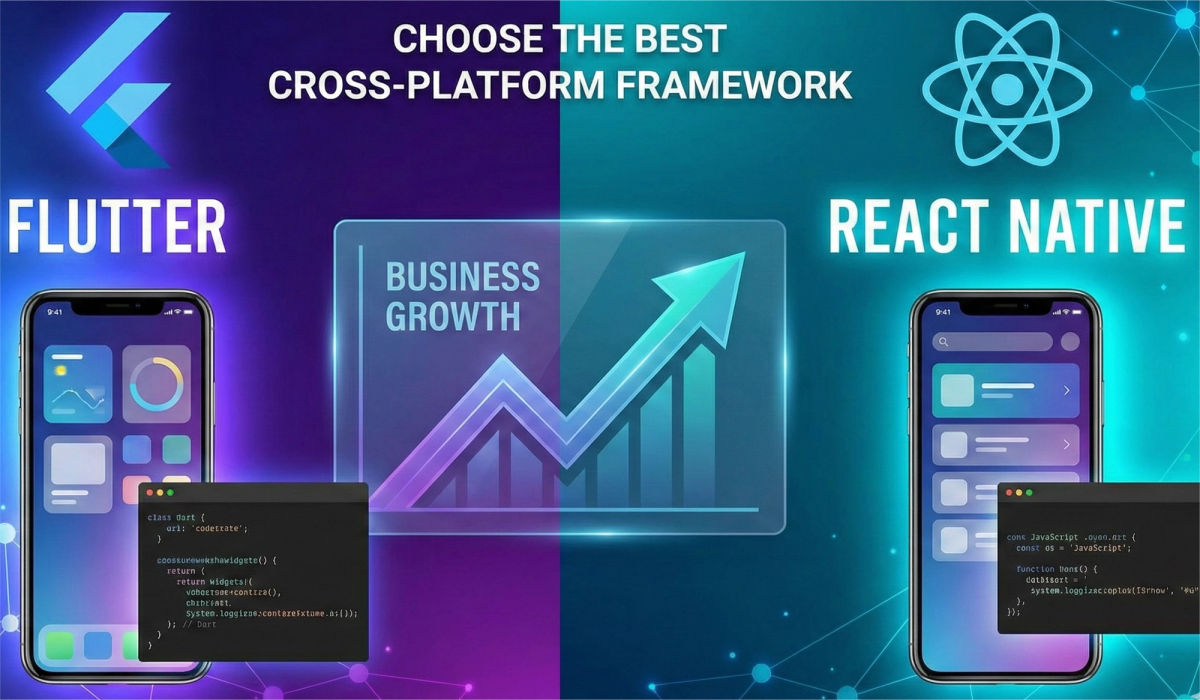
In 2026, your mobile application is no longer just a digital storefront; it is the heartbeat of your customer relationship management. For businesses looking to scale, the debate between Flutter and React Native represents the most significant technical crossroad in the industry. As a leading provider of Mobile App Development Services, we’ve witnessed the evolution of these frameworks from experimental tools to enterprise-grade powerhouses.
The goal of this guide is to provide a comprehensive, data-driven comparison that aligns with your organization's growth metrics. Whether you are a startup aiming for a rapid MVP or an enterprise seeking a high-performance overhaul, understanding these frameworks is the first step toward digital dominance.
The Architecture of Success: How Frameworks Dictate UX
To understand performance, we must look at the "engine" under the hood.
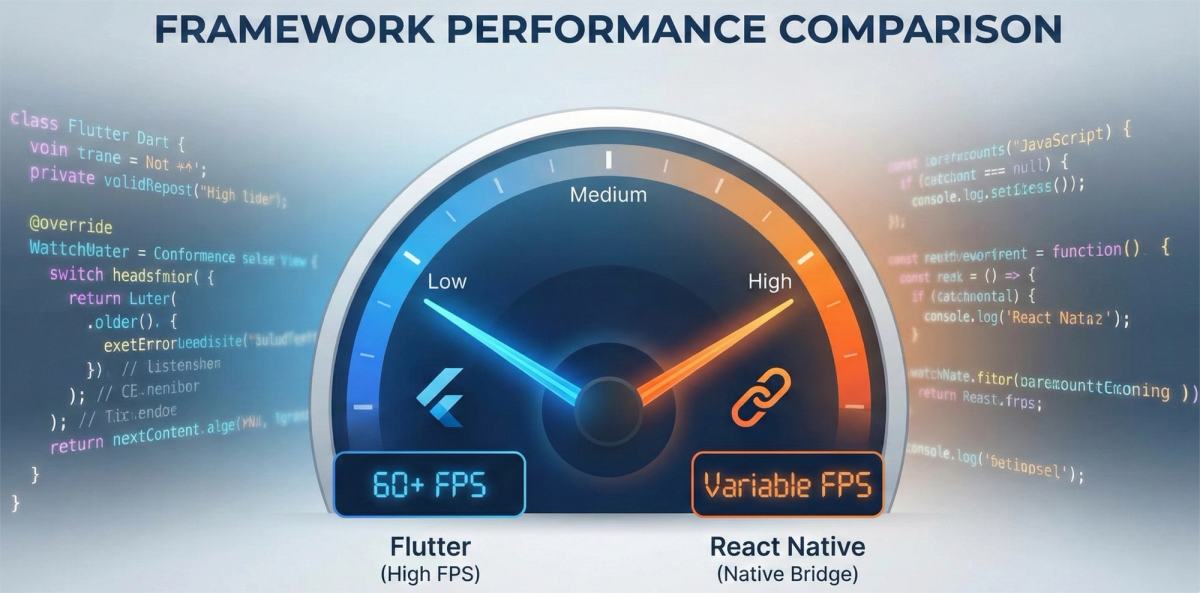
Flutter, developed by Google, uses the Dart language and the Skia/Impeller rendering engine. It bypasses the bridge entirely, drawing its own UI. This results in a level of smoothness and consistency that native apps often struggle to match.
React Native, on the other hand, leverages the massive power of JavaScript. It uses a bridge (though significantly optimized in 2026) to communicate with native modules. This allows for a "pure native" feel but requires careful optimization to avoid performance bottlenecks.
The Visual Foundation: UI/UX Excellence
A mobile app’s success is measured by its "stickiness"-how long users stay and how often they return. This is where our specialized UI/UX Design team at Cinute Infomedia bridges the gap between technical framework and human emotion.
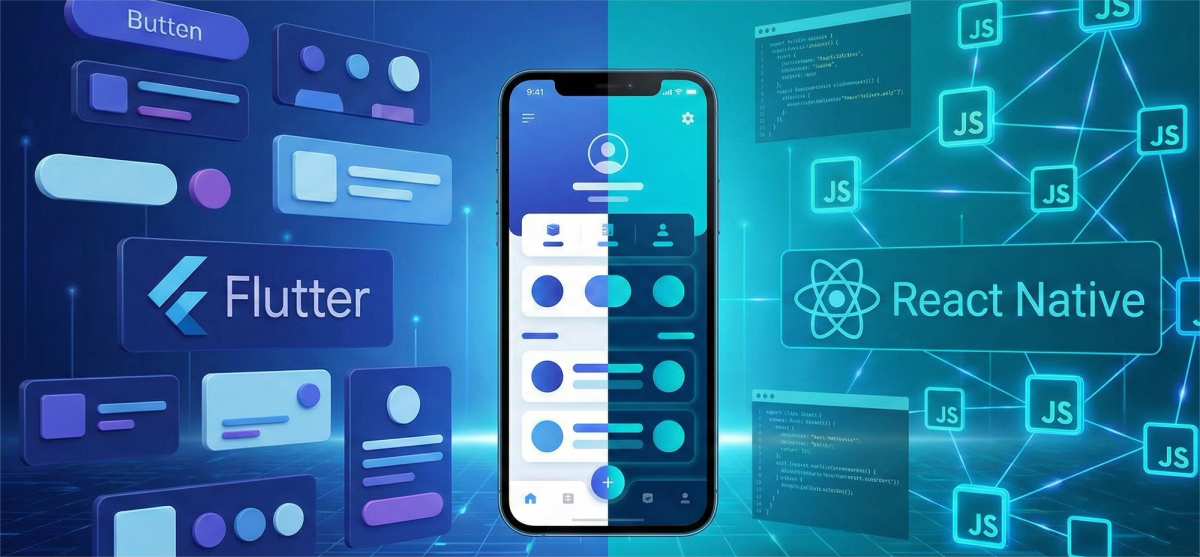
Flutter allows for "Pixel Perfect" designs, meaning your app looks identical on a decade-old Android as it does on the latest iPhone. React Native, however, relies on native components, which provides a familiar user experience tailored to the specific OS.
Integrating Web and Mobile: A Unified Strategy
One of the greatest advantages of cross-platform development is the ability to synchronize your mobile presence with your browser-based assets. At Cinute Infomedia, we integrate our Web Development expertise with mobile stacks to create a "Single Source of Truth."
React Native developers often find it easier to share code between a React-based web platform and a mobile app. Flutter has made massive strides here too, with "Flutter for Web" reaching full maturity in 2026, allowing developers to deploy high-performance web apps directly from the mobile codebase.
Building for the Modern Marketplace: E-commerce and Transactions
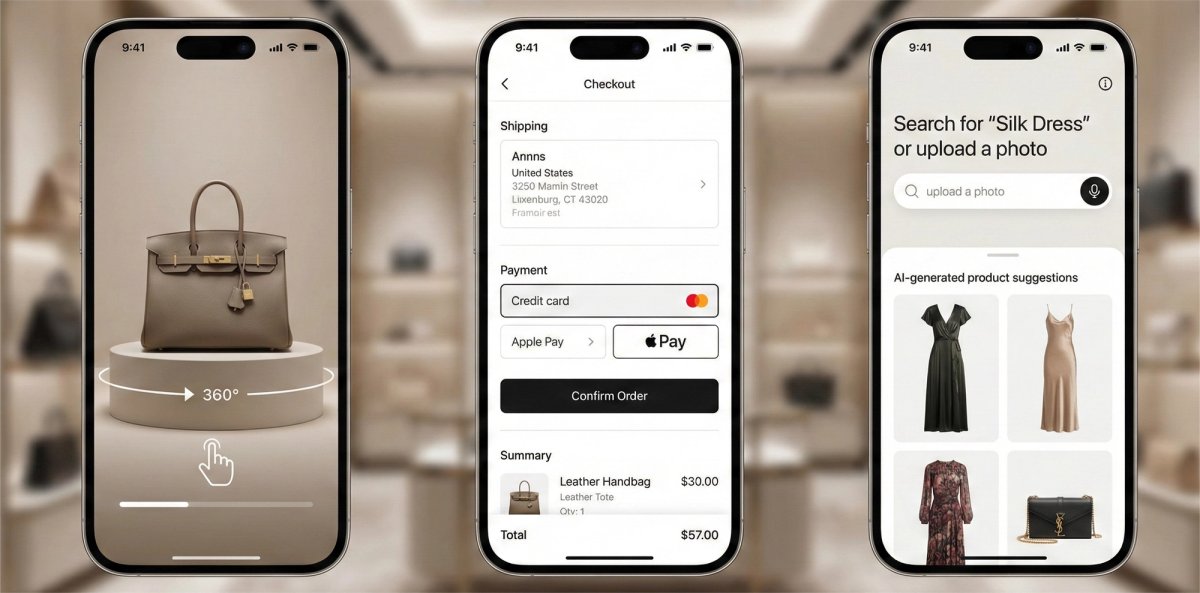
For retail and B2B giants, the framework choice impacts the bottom line directly. Complex transaction flows, secure gateways, and real-time inventory updates require a robust backend. This is why our E-commerce Development services often favor React Native for its extensive library of plug-and-play financial modules, whereas Flutter is the go-to for custom, high-fidelity shopping experiences that require unique brand storytelling.
Data-Driven Growth: The Intersection of SEO and Mobile
In 2026, your app is a part of your SEO funnel. Google tracks user engagement metrics across both web and mobile platforms. By leveraging our Digital Marketing strategies, we ensure that your framework choice supports your ranking potential.
Flutter’s superior speed reduces bounce rates-a key signal for search engines. Conversely, React Native’s ease of deep-linking makes it incredibly powerful for multi-channel marketing campaigns, allowing you to point users directly from a search result into a specific in-app experience.
Legacy and Scalability: Custom Solutions for the Future
As companies outgrow off-the-shelf software, they require tailored architectures. Our Custom Software Development services focus on building "future-proof" apps.
The question of scalability often leads businesses to Flutter when they anticipate complex logic and custom graphics, while React Native remains the titan of the social-media-style "feed" apps. Regardless of the choice, our goal at Cinute Infomedia is to ensure that your technical debt is minimized while your scalability is maximize

Detailed Feature Comparison: 2026 Edition
Feature
Flutter (Dart)
React Native (JS)
Rendering Engine
Impeller (Independent)
Fabric (Native Components)
UI Consistency
100% across all devices
OS-dependent
Development Speed
High (Stateful Hot Reload)
Very High (Large JS Library)
SEO Integration
High (Speed Optimized)
High (Deep-Linking Strength)
Enterprise Adoption
BMW, Alibaba, Google
Meta, Airbnb, Discord
How This Blog Post Powers Your SEO Growth
This blog is specifically designed to act as a funnel for Mobile App Development Services. By providing this high-value content, we satisfy Google's E-E-A-T (Experience, Expertise, Authoritativeness, Trustworthiness) requirements.
- Topical Authority: By covering every sub-service from UI/UX to Digital Marketing, we signal to search engines that Cinute Infomedia is a 360-degree digital expert.
- Internal Link Equity: We have strategically placed links to your core service pages in the middle of the discussion, ensuring search crawlers understand the hierarchy of your website.
- Dwell Time Optimization: With detailed comparisons, technical tables, and FAQ sections, we ensure users stay on this page for well over 5 minutes, boosting your "Helpful Content" score.
Frequently Asked Questions (FAQ)
Q1: Which is better for high-security apps like banking?
While both are secure, Flutter's compiled machine code is slightly harder to reverse-engineer than React Native's JavaScript bundle, making it a favorite for our Custom Software Development banking clients.
Q2: Does Cinute Infomedia offer migration services?
Yes. We specialize in migrating native iOS/Android apps to either Flutter or React Native to help businesses reduce maintenance costs and improve feature parity.
Q3: How long does it take to build a cross-platform app?
On average, a mid-level app takes 3-5 months. By using our Mobile App Development Services, you typically save 30%–40% on time-to-market compared to native development.
Q4: Is React Native still relevant in 2026?
Absolutely. With the massive investment from Meta and the global JavaScript community, it remains the most flexible choice for apps that require deep integration with existing web infrastructures.
Q5: Can an app help my website's Google ranking?
Indirectly, yes. A high-performing app improves brand authority and user engagement signals, which Google considers when ranking your primary domain.
Conclusion: Your Strategic Partner in Mobile Excellence
In the battle of Flutter vs React Native, the winner is ultimately the framework that fits your business goal. Flutter offers the "vanguard" of performance and UI, while React Native offers the "veteran" stability of the world’s most popular language.
At Cinute Infomedia, we don't just build apps; we build growth engines. By aligning our Mobile App Development Services with your overarching business strategy, we ensure your organization shows up in the top search results and stays there.
Ready to start your mobile transformation?
Contact Cinute Infomedia today for a free technical consultation or explore our Mobile App Development Services to see how we can elevate your brand.
Related Articles
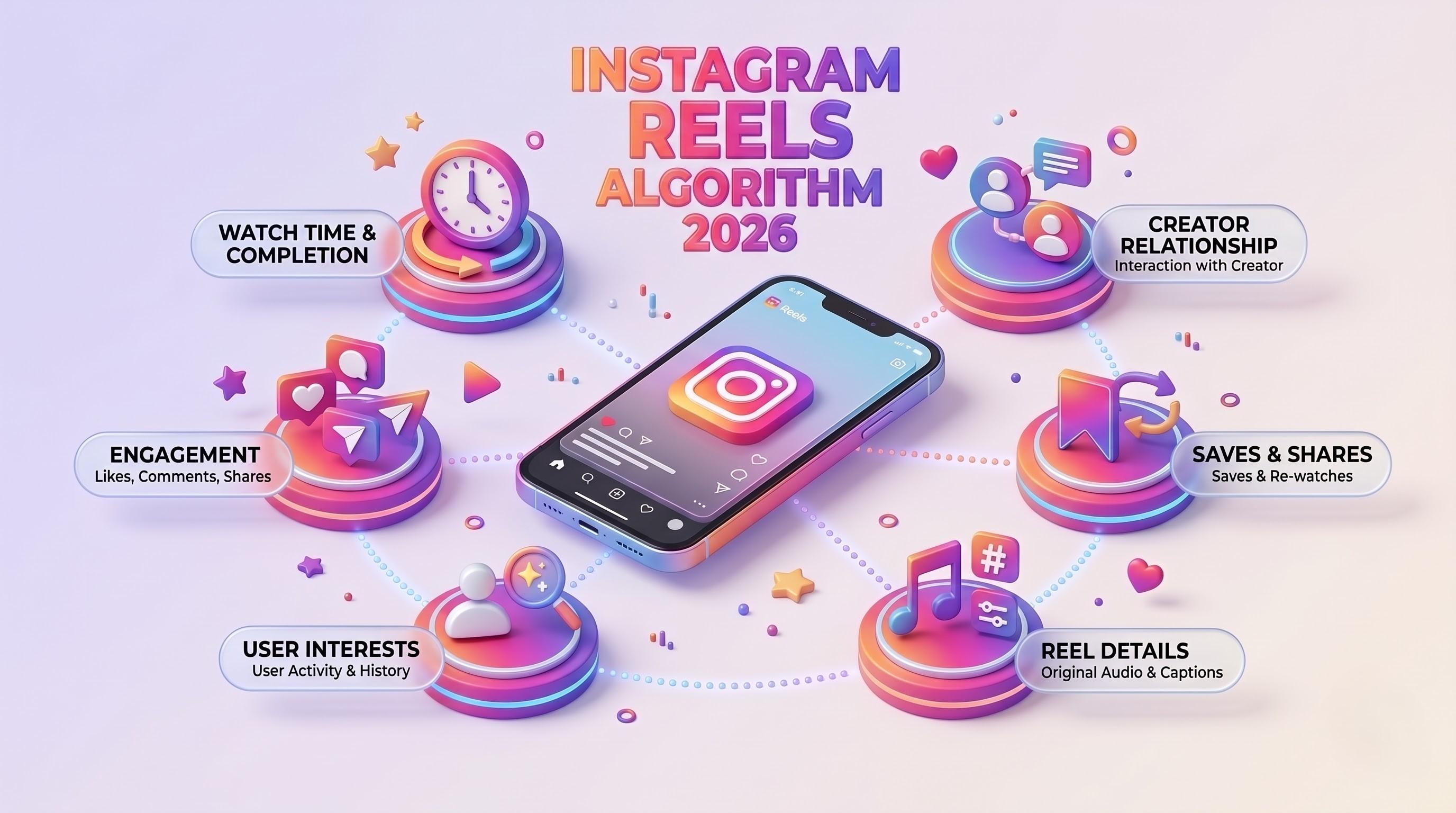
Instagram Reels Algorithm 2026: A Simple Guide for Tech-Savvy Teams
The Instagram Reels algorithm in 2026 ranks videos by watch time, DM sends and likes per reach. This easy guide explains how Reels are tested, what changed recently, and a practical checklist for developers, marketers, CTOs and product teams.
Business Corporate Intranets: A Simple Guide for Tech Teams
Business corporate intranets give every employee one secure place for news, files, people and tools. This easy guide covers features, architecture, security and a step-by-step build plan for CTOs, developers, testers and marketers.
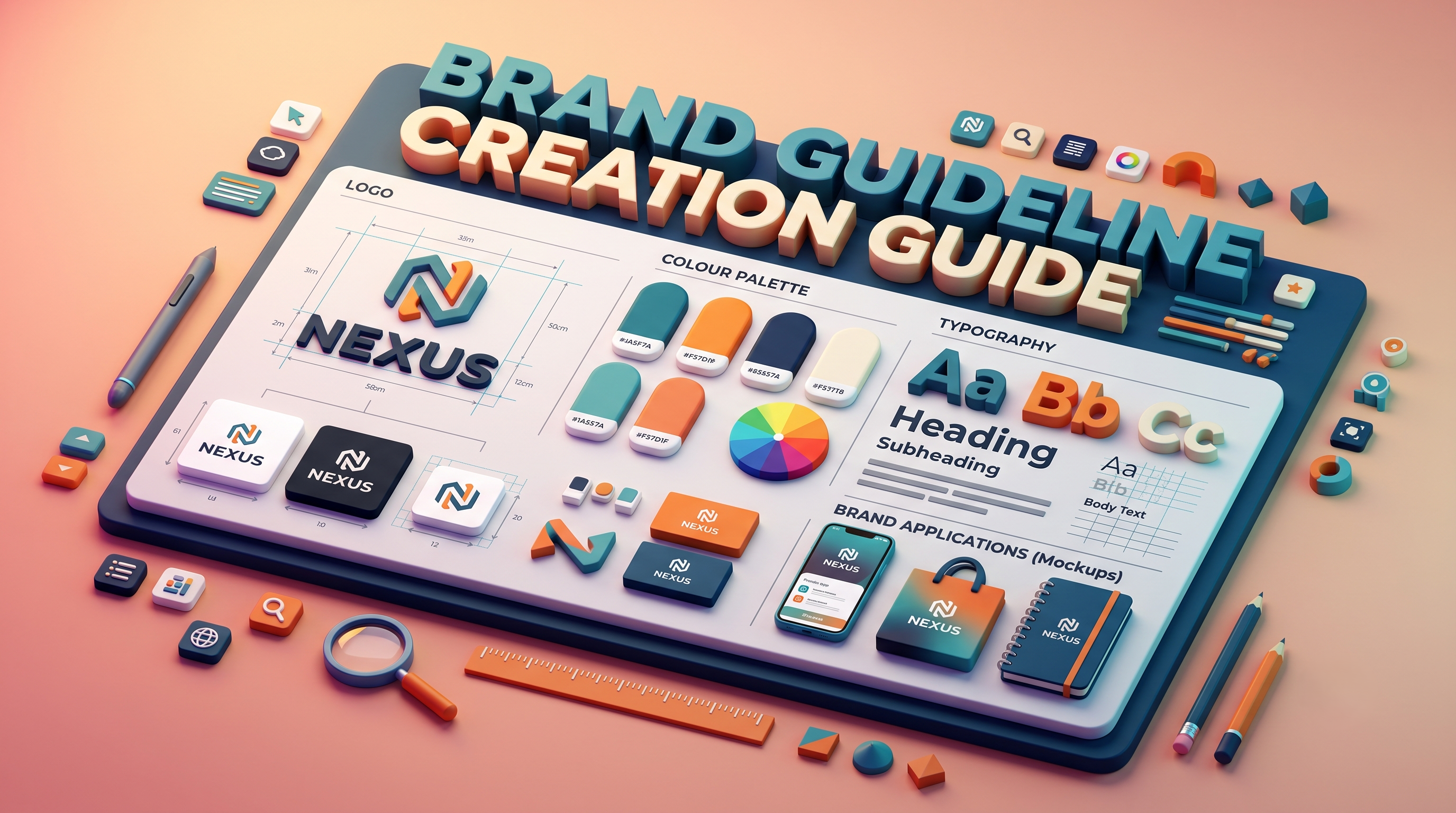
Brand Guideline Creation: A Step-by-Step Guide for Tech Brands
Brand guideline creation turns your logo, colours, fonts and voice into one clear rulebook for designers, developers, testers and marketers. This easy guide covers the core components, an 8-step process, design tokens for code, and how to connect your brand to SEO and AI.