
Table of Contents
Every online purchase, subscription renewal and in-app top-up depends on a small piece of software most users never see: the payment gateway. For fintech teams, it is not a side detail. It decides how fast money moves, how many payments succeed and how safe customer data stays.
India shows the scale clearly. UPI handled 24.07 billion transactions worth ₹29.37 lakh crore in September 2026, and daily volume crossed 800 million for the first time. With numbers like these, a weak payment layer gets expensive very quickly.
This guide explains fintech payment gateways in plain language. You will learn how they work, the main types, the security rules that apply, the trends shaping 2026, and a simple way to choose, integrate and test one. It is written for developers, testers, marketers, CTOs and product managers alike.
What Is a Payment Gateway in Fintech?
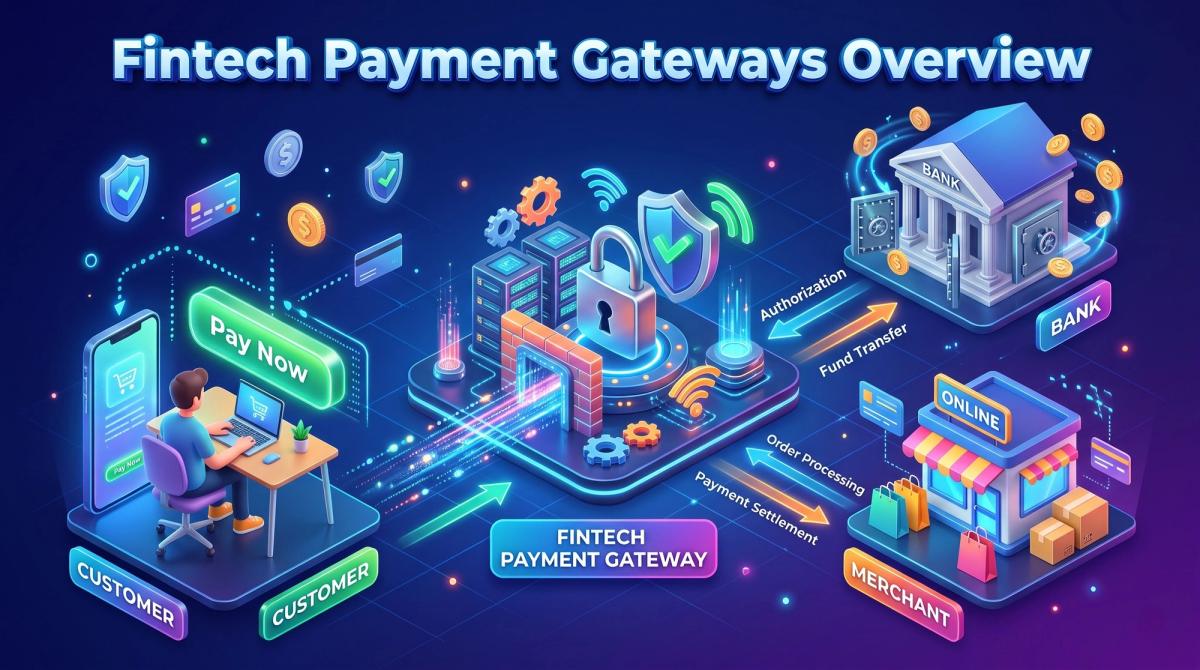
A payment gateway is a service that securely captures payment details from a customer, sends them to the right banks and networks, and returns an approve-or-decline answer to the merchant. Think of it as the digital version of the card machine at a shop counter.
Fintech payment gateways go one step further. Besides cards, they handle UPI, net banking, wallets, bank transfers, buy now pay later and international methods through a single API. They also add fraud checks, reporting, subscription billing and payouts.
A few terms are often mixed up:
- Payment gateway: collects and transmits payment data securely.
- Payment processor: moves the money between banks and card networks.
- Payment service provider (PSP): bundles the gateway, processor and often a merchant account into one product.
- Payment orchestration: a layer that routes payments across several gateways.
Many modern providers combine all four, so the lines are blurry. What matters is knowing which job you are actually buying.
How Does a Payment Gateway Work?
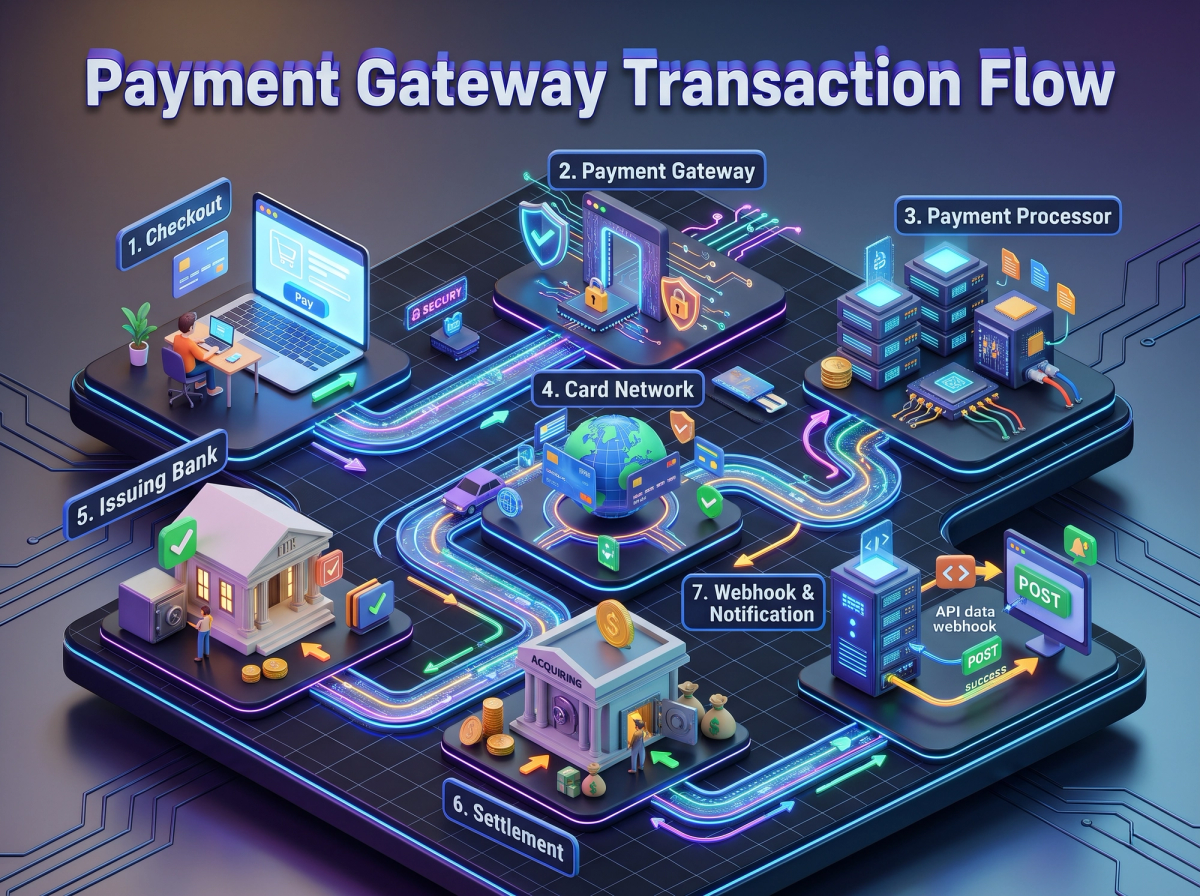
Behind a checkout button, a payment takes only a few seconds and follows these steps:
- Checkout: the customer enters card, UPI or wallet details on your page or in a hosted form.
- Encryption and tokenization: the gateway encrypts the data and swaps the card number for a random token, so your servers never store raw card data.
- Authorization request: the gateway sends the request to the acquiring bank, which passes it through the card network to the issuing bank.
- Authentication and fraud checks: the issuer and gateway run risk rules and may ask for 3D Secure or an OTP.
- Response: the issuer approves or declines, and the answer returns to the customer's screen.
- Settlement: within a day or a few days, the money reaches the merchant's bank account, minus fees.
- Webhooks and reconciliation: the gateway notifies your system about final status, refunds and chargebacks.
For developers, step seven is where many bugs hide. A payment status can change after the customer leaves the page, so your backend must listen to webhooks instead of trusting the browser redirect.
Types of Fintech Payment Gateways
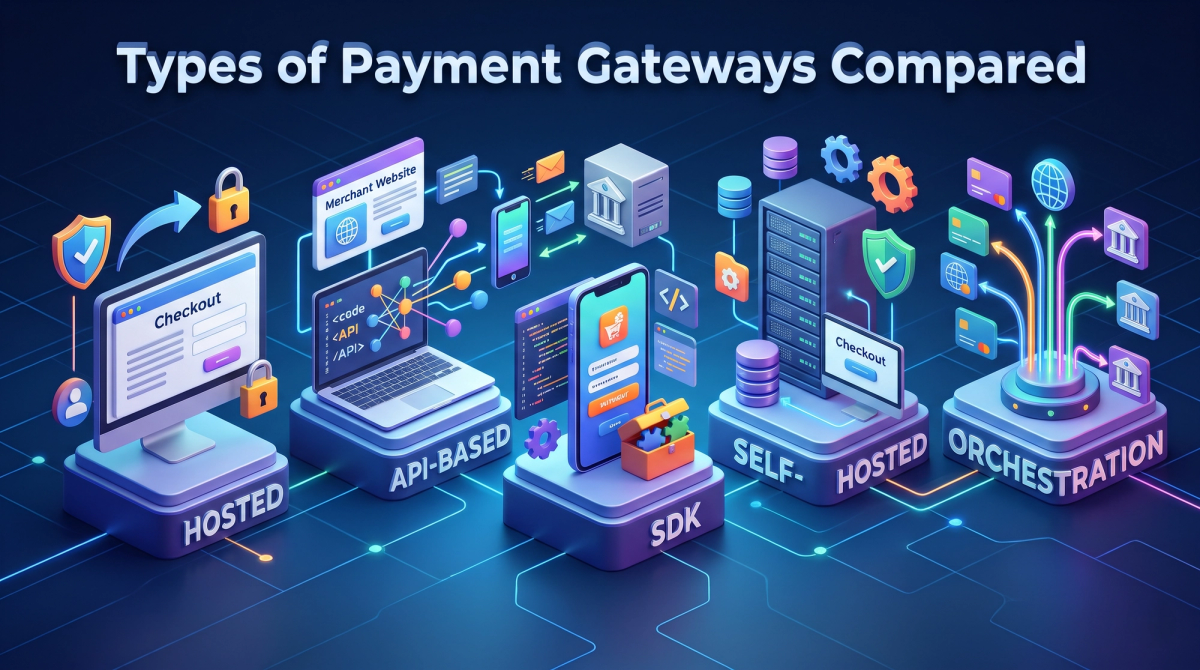
Not every gateway fits every product. The table below shows the common models.
| Type | How it works | Best for | Trade-off |
|---|---|---|---|
| Hosted | Customer is redirected to the provider's page | Small teams, fast launch | Limited branding control |
| API-based | Payment form sits on your site, your server calls the API | Custom checkout, SaaS | Larger security scope |
| SDK or embedded | Drop-in components and mobile SDKs | Apps and quick integrations | Tied to provider's UI patterns |
| Self-hosted | You build and run your own gateway | Banks, large payment firms | Highest cost and compliance load |
| Orchestration | One layer routes across many gateways | High volume, multi-region | Extra complexity |
If you run a subscription product, a SaaS development partner can help you design recurring billing, retries and invoicing around the gateway from day one.
Key Features to Look For
A long feature list can hide what really matters. Focus on these:
- Payment method coverage: UPI, cards, wallets, net banking, BNPL and the local methods of your target countries.
- Developer experience: clear documentation, a sandbox, SDKs, webhooks and idempotency keys that prevent double charges.
- Security tools: tokenization, 3D Secure 2, fraud scoring and risk rules you can tune.
- Reliability: high uptime, smart retries and automatic failover.
- Reporting and reconciliation: clean settlement reports that finance teams can match to orders.
- Subscriptions and payouts: recurring billing, refunds, split payments and marketplace payouts.
- Cross-border support: multi-currency pricing and transparent foreign exchange fees.
- Pricing clarity: no surprises in refund, chargeback or setup fees.
For online stores, these features connect directly to conversion. A good e-commerce development team will build the checkout around your gateway so that fewer customers drop off at the final step.
Security and Compliance: What Tech Teams Must Know
Payments are a favourite target for attackers, so security is part of the product, not an add-on.
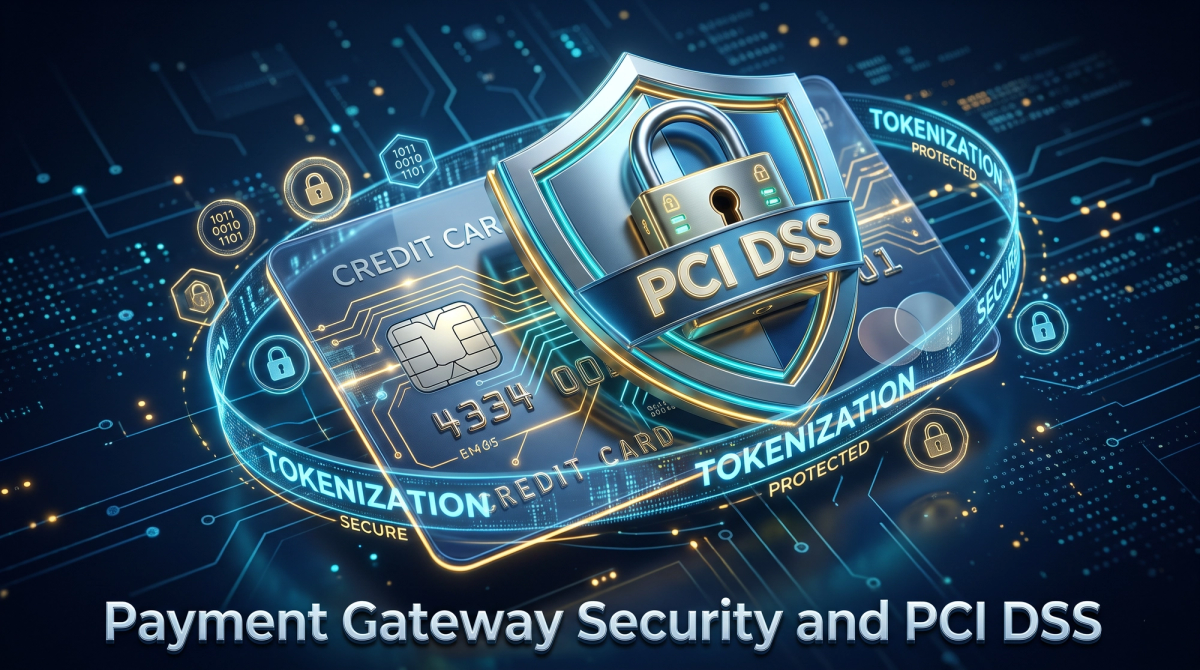
PCI DSS is the global standard for protecting cardholder data. The current version, 4.0.1, made its 51 future-dated requirements mandatory on 31 March 2025. They put extra focus on authentication and on scripts running on payment pages, which helps defend against web skimming.
Local rules also apply. In India, the RBI requires card-on-file tokenization and local storage of payment data. In Europe, PSD2 requires strong customer authentication. Always check the latest circulars for your markets.
Good habits for developers:
- Never log or store full card numbers or CVV codes.
- Use hosted fields or provider SDKs so card data skips your servers.
- Verify webhook signatures before trusting any event.
- Keep API keys in a secrets manager, never in code repositories.
- Monitor and approve every third-party script on payment pages.
- Give each team member the minimum access they need.
Payment Gateway Trends in 2026
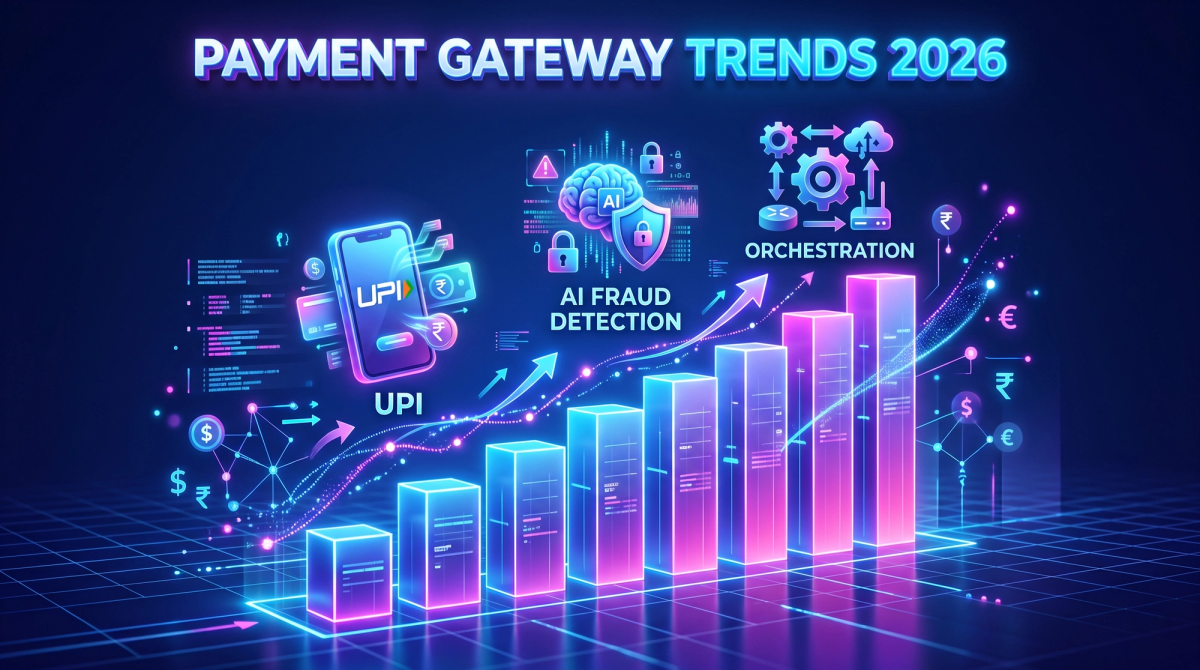
The market keeps growing fast. Research firms estimate the global payment gateway market at roughly $48 billion in 2025 and about $59 billion in 2026, though figures differ by method. All of them point to double-digit growth. Six trends stand out:
- Real-time and account-to-account payments: UPI-style rails keep pulling volume away from cards.
- AI-driven fraud detection: machine learning scores risk in milliseconds and cuts false declines.
- Payment orchestration: teams avoid single-provider risk and improve approval rates by routing smartly.
- Network tokens and invisible checkout: one-click payments with fewer steps and fewer failures.
- Agentic and AI-assisted commerce: gateways are starting to support purchases made by software agents.
- Embedded finance: non-fintech platforms add payments, wallets and lending inside their own apps.
How to Choose the Right Payment Gateway
Use this simple seven-step process:
- Map your payment mix. List the methods your customers use, by country and device.
- Check coverage and settlement speed. Confirm supported currencies and how quickly money reaches your account.
- Compare total cost. Standard card pricing often lands around 2 to 3 percent, but add fixed fees, refund fees, chargeback fees and currency conversion before judging.
- Review the developer docs. If the sandbox and API reference are confusing, integration will be too.
- Test success rates. Run a pilot and compare approval rates, not just promised ones.
- Verify compliance and support. Ask for certifications, uptime history and support response times.
- Plan your exit. Wrap the gateway behind your own payment service layer so you can switch or add providers later.
Integration and Testing Checklist
Payments fail in strange ways, so build and test for the messy cases.
Architecture tips for developers
- Create one internal payment service that hides provider details.
- Send an idempotency key with every request.
- Treat the webhook as the source of truth for final status.
- Store only tokens and order references.
Teams building a custom portal or checkout can rely on web design and development experts to connect the gateway cleanly. If payments live inside an app, mobile app developers can handle SDKs and UPI app switching.
Test scenarios for QA
- Successful payment and instant decline
- Timeout or slow bank response
- 3D Secure challenge passed and failed
- Double click and duplicate submission
- Delayed or out-of-order webhook
- Partial refund and full refund
- Chargeback and dispute flow
- Mobile app switch during a UPI payment
- Load test at peak traffic
Finally, reconcile every test run against settlement reports. This is tedious by hand, so many teams use AI workflows and automations to match payments, flag mismatches and send alerts automatically.
Improving Checkout Conversion and SEO
Marketers and product managers should care about the gateway too, because checkout is where revenue is won or lost.
- Ask only for essential fields and support autofill.
- Show all payment methods early, with UPI first for Indian traffic.
- Keep pages fast on mobile, since slow checkouts lose buyers.
- Track each funnel step as an analytics event to find drop-offs.
- Offer instant help for failed payments.
On the search side, payment education pages such as pricing, security and integration guides can earn organic traffic, while the checkout itself should stay out of the index. A solid technical SEO service keeps those pages fast, crawlable and well structured. For customer help, an AI-powered chatbot can answer questions about failed payments, refunds and settlement status at any hour.
Common Payment Gateway Mistakes to Avoid
Even strong teams repeat the same errors. Watch for these:
- Trusting the redirect: marking an order paid because the customer landed on a success page, instead of confirming through a signed webhook.
- Ignoring failed-payment recovery: a declined card is not always a lost sale. Smart retries and clear error messages win many of them back.
- Hard-coding one provider: direct calls to a single gateway scattered across the codebase make switching painful.
- Skipping reconciliation: small mismatches between orders and settlements grow into big accounting problems.
- Testing only the happy path: real customers abandon, double click, lose signal and go back.
- Forgetting mobile: a large share of payments happen on phones, so test app switching and small screens.
Where Payment Gateways Are Used
Gateways are not limited to online shops. Common fintech use cases include:
- E-commerce and retail: one-time checkout, saved cards and instant refunds.
- SaaS and subscriptions: recurring billing, trials, upgrades and failed-renewal recovery.
- Lending and wallets: loan repayments, top-ups and peer-to-peer transfers.
- Marketplaces: split payments and seller payouts.
- Education and services: fee collection, instalments and automated receipts.
How Cinute InfoMedia Can Help
Cinute InfoMedia (CIM) is a web development and digital marketing company that combines engineering, SEO, performance marketing, brand identity and AI. For payment-led products, our fintech web solutions cover secure portals, gateway integration, dashboards and the content strategy that brings in qualified users.
Frequently Asked Questions
Is a payment gateway the same as a payment processor?
No. The gateway captures and secures payment data, while the processor moves funds between banks. Many providers offer both.
How much does a payment gateway cost?
Most charge a percentage per transaction, often around 2 to 3 percent for standard cards, plus possible setup or fixed fees. Always request a full fee schedule.
How long does integration take?
A hosted gateway can go live in days. A custom API integration with subscriptions, refunds and reconciliation usually takes several weeks including testing.
Do gateways support UPI?
Most leading Indian gateways support UPI collect, intent and QR flows, along with cards, wallets and net banking.
Conclusion
Fintech payment gateways quietly power digital business. Understand the flow, pick the right type, respect PCI DSS and local rules, and test every messy scenario before launch. Treat the gateway as a core product decision, not a plug-in, and your payments will stay fast, secure and ready to scale.
Related Articles
Competitor Gap Analysis Tools Compared: Semrush, Ahrefs and More
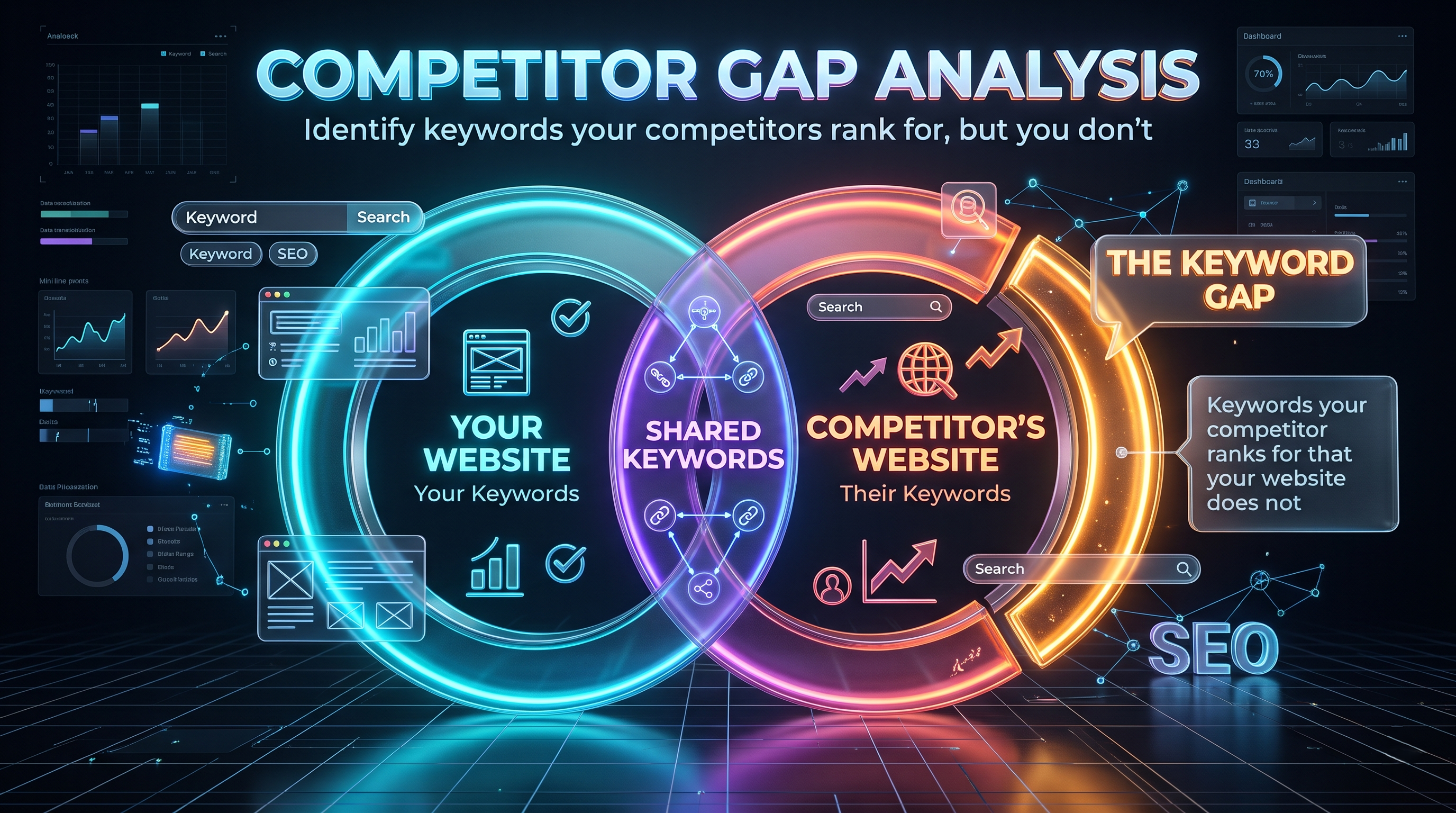
Your competitors are ranking for keywords you have never targeted. Competitor gap analysis tools show you exactly where, and what to do about it. This easy guide explains keyword, content and backlink gaps, compares the best tools, and gives developers, marketers and product teams a 7-step plan to close the gaps.

AI Personalization Engines: A Practical Guide to Smarter, Real-Time User Experiences
AI personalization engines use machine learning to show each user the right content, product or offer in real time. This easy guide covers how they work, core models, a 7-step build plan, testing, privacy and SEO for developers, testers, marketers and CTOs.

Instagram Reels Algorithm 2026: A Simple Guide for Tech-Savvy Teams
The Instagram Reels algorithm in 2026 ranks videos by watch time, DM sends and likes per reach. This easy guide explains how Reels are tested, what changed recently, and a practical checklist for developers, marketers, CTOs and product teams.