
Table of Contents
A strong Digital Marketing Strategy is not just about running ads or posting on social media. It is about creating a structured plan that moves from research and planning to execution and optimization. In today’s competitive online world, businesses need a data-driven digital marketing strategy that aligns with goals, audience intent, and measurable performance indicators. Whether you are a startup, a local brand, or an enterprise, the right digital marketing framework helps you generate leads, build authority, and improve ROI. In this blog, we will explore how to create a complete digital marketing strategy step by step, using modern tools, SEO best practices, content marketing, paid campaigns, and AI-powered workflows. Understanding What a Digital Marketing Strategy Really Means
A digital marketing strategy is a structured roadmap that defines how a business will achieve its marketing goals using online channels. It includes SEO, content marketing, social media marketing, paid advertising, email campaigns, automation, analytics, and conversion optimization.
Many businesses confuse tactics with strategy. Posting daily on Instagram is a tactic. Running Google Ads is a tactic. But defining your target audience, identifying their search intent, creating a content funnel, and measuring customer lifetime value — that is strategy.
A well-built digital marketing strategy focuses on long-term brand visibility and consistent growth rather than short-term spikes.
Market Research and Audience Understanding
Every successful strategy begins with deep research. Before executing campaigns, you must understand:
- Who your ideal customers are
- What problems they are trying to solve
- What keywords they search
- Which platforms they use
- How competitors are positioning themselves
High-ranking strategies are built on search intent optimization. Instead of targeting broad keywords like “digital marketing,” focus on long-term ranking keywords such as:
- digital marketing strategy for small businesses
- digital marketing planning framework
- performance marketing execution model
- SEO and content marketing strategy guide
These keywords have lower competition and higher ranking potential.
Audience segmentation helps create personalized messaging. When messaging aligns with user intent, conversion rates improve naturally.
Goal Setting and Funnel Planning
A digital marketing strategy without clear goals will fail. Goals must be specific, measurable, achievable, relevant, and time-bound.
Common goals include:
- Increase website traffic by 40% in 6 months
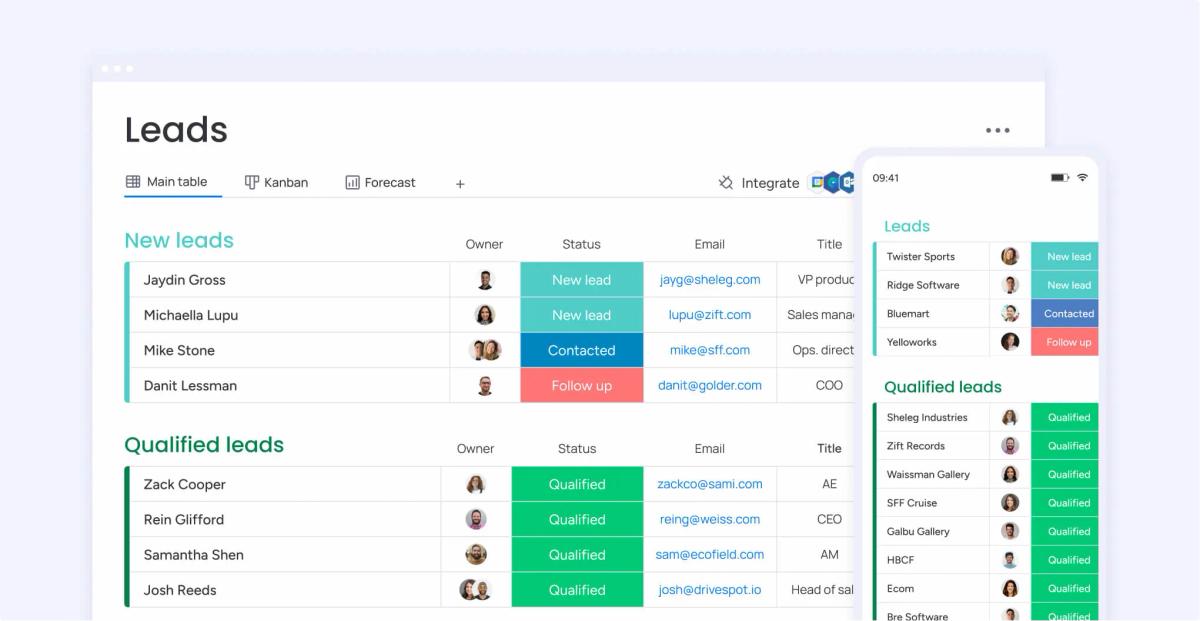
- Generate 100 qualified leads per month
- Improve organic keyword ranking in top 10 results
- Reduce customer acquisition cost
Every strategy must align with a marketing funnel:
Awareness builds brand visibility through SEO and content. Consideration nurtures users via blogs, videos, and email marketing. Conversion turns visitors into customers using landing pages and paid ads. Retention focuses on loyalty and repeat engagement.
A powerful performance marketing strategy integrates all these stages. SEO as the Core of Digital Strategy
Search Engine Optimization is the foundation of any long-term digital marketing strategy. Unlike paid ads, SEO builds sustainable traffic.
Modern SEO includes:
Technical SEO such as website speed, mobile responsiveness, schema markup, and structured URLs. On-page SEO including optimized headings, meta descriptions, internal linking, and semantic keywords. Content SEO focusing on search intent and topic authority. Off-page SEO through backlinks and brand mentions.
When implementing SEO, internal linking plays a strong role. For example, linking relevant content to Digital Marketing Services, SEO Training Program, Social Media Marketing Services, Performance Marketing Services, and Content Marketing Services helps improve authority and user navigation.
Search engines reward websites that show expertise, authority, and trust.
Content Marketing: Building Authority That Converts
Content is not just blogging. It is storytelling combined with data.
A strong digital marketing strategy includes:
- Educational blog posts
- Case studies
- Video marketing
- Email newsletters
- Lead magnets
- Webinars
Content should answer real questions users are searching for. Google favors content that solves problems in simple language.
Long-form content above 2000 words tends to rank better because it covers topics in depth. However, clarity matters more than length.
Focus on writing for humans first and search engines second.
Paid Advertising and Performance Marketing
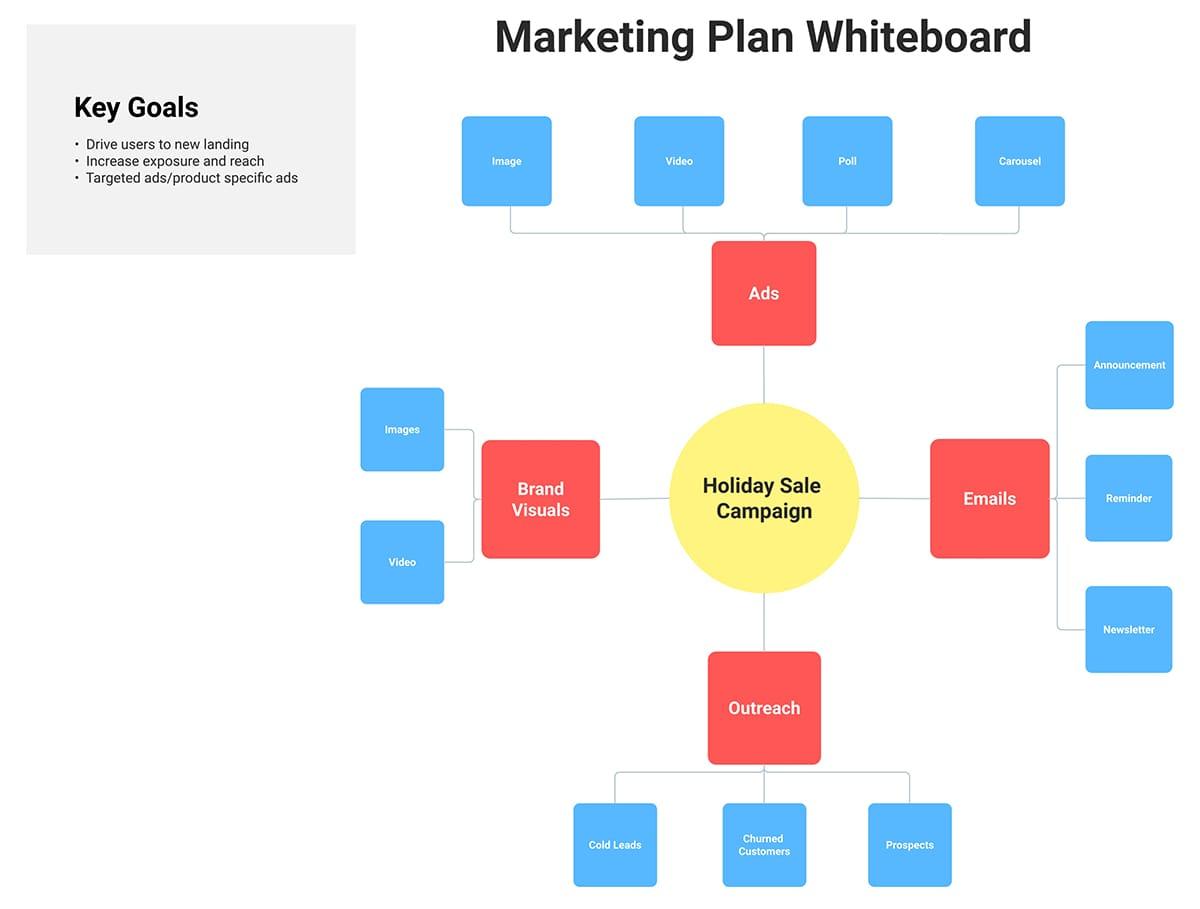
Paid advertising accelerates results. While SEO builds long-term authority, paid ads provide immediate traffic.
Platforms include:
Google Ads Meta Ads LinkedIn Ads YouTube Ads
The key to performance marketing is tracking every click, impression, and conversion. Without analytics, paid campaigns waste budget.
Conversion tracking, A/B testing, landing page optimization, and audience retargeting are crucial.
An integrated approach combining SEO and paid campaigns maximizes ROI and reduces dependency on a single channel.

The Role of AI and Automation in Modern Strategy
Today’s digital marketing strategy is incomplete without automation and AI.
Agentic AI systems help in:
Content generation assistance Predictive analytics Customer behaviour analysis Chatbots and conversational marketing Automated email workflows
Autonomous workflows reduce manual effort and improve efficiency. For example, when a user downloads a guide, the system can automatically trigger an email sequence, retargeting ads, and CRM updates.
AI does not replace strategy. It enhances execution speed and personalization.
Social Media Integration and Brand Positioning
Social media supports brand building and engagement. However, it must align with the overall strategy.
Posting random content does not create growth. Every post must support either awareness, engagement, or conversion.
Strong social media strategy includes:
Consistent branding Educational posts Short-form videos User-generated content Community engagement
Organic growth combined with targeted paid campaigns creates strong brand authority.
Analytics, Data Tracking, and Continuous Optimization
Digital marketing is never static. After execution, continuous tracking and optimization are required.
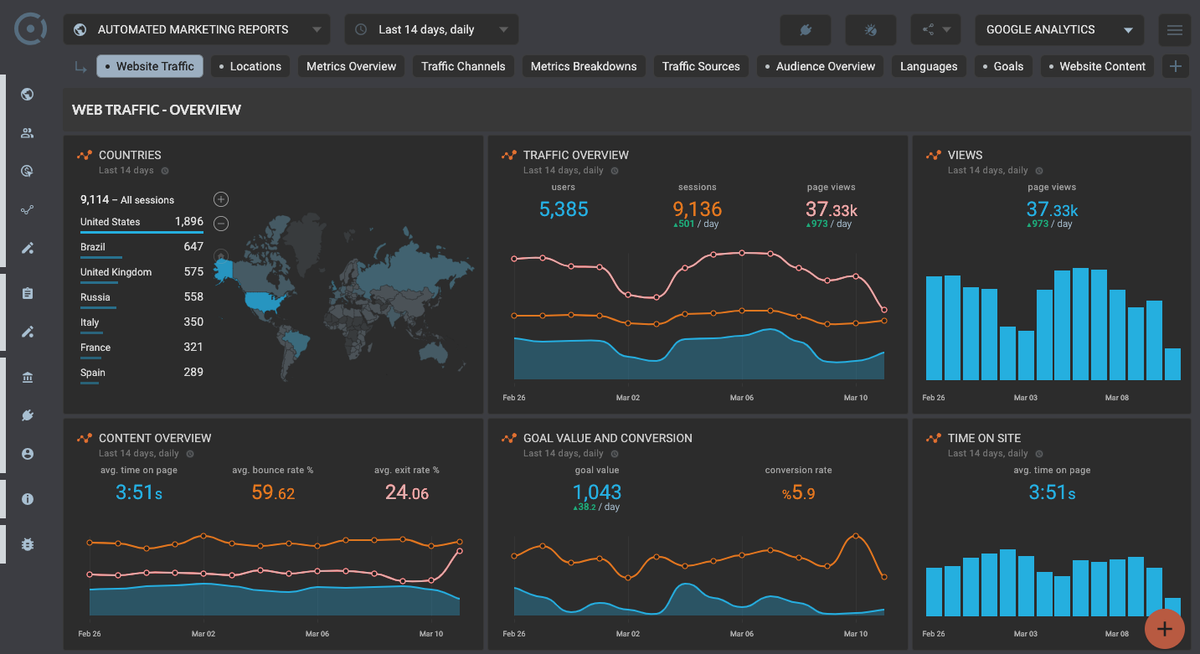
Use tools like Google Analytics, Search Console, CRM dashboards, and ad managers to monitor:
Traffic sources Keyword rankings Bounce rates Conversion rates Cost per lead
Data-driven decisions reduce guesswork.
A successful digital marketing strategy is iterative. It improves based on performance insights.
Common Mistakes to Avoid
Many businesses fail because they:
Focus only on social media without SEO Run ads without conversion tracking Ignore mobile optimization Avoid long-term content planning Do not analyse data
Strategy is about consistency and measurement.
Building a Long-Term Digital Marketing Framework
A powerful strategy must include:
Clear brand positioning Consistent content publishing Technical SEO maintenance Conversion optimization Automation workflows Regular reporting
When all channels work together, growth becomes predictable.
FAQ Section
What is a digital marketing strategy? A digital marketing strategy is a structured plan that defines how a business uses online channels like SEO, content marketing, and paid ads to achieve marketing goals.
How long does it take to see results? SEO typically takes 3–6 months, while paid advertising can generate results immediately.
Is SEO better than paid advertising? SEO builds long-term sustainable traffic, while paid advertising provides quick results. A combination works best.
How important is content in digital marketing? Content is essential because it builds authority, improves search rankings, and nurtures leads.
Can AI replace digital marketers? AI enhances efficiency but cannot replace strategic thinking and creativity.
Conclusion
A successful Digital Marketing Strategy moves systematically from research and planning to execution and optimization. It integrates SEO, content marketing, paid campaigns, social media, automation, and analytics into one cohesive framework. Businesses that focus on long-term value rather than short-term tactics build stronger brand authority and higher ROI.
By combining data-driven insights with modern AI-powered workflows, brands can create scalable growth models that adapt to changing algorithms and customer behavior. The key is clarity, consistency, and continuous improvement.
When strategy and execution align perfectly, digital growth becomes sustainable, measurable, and profitable.
Related Articles
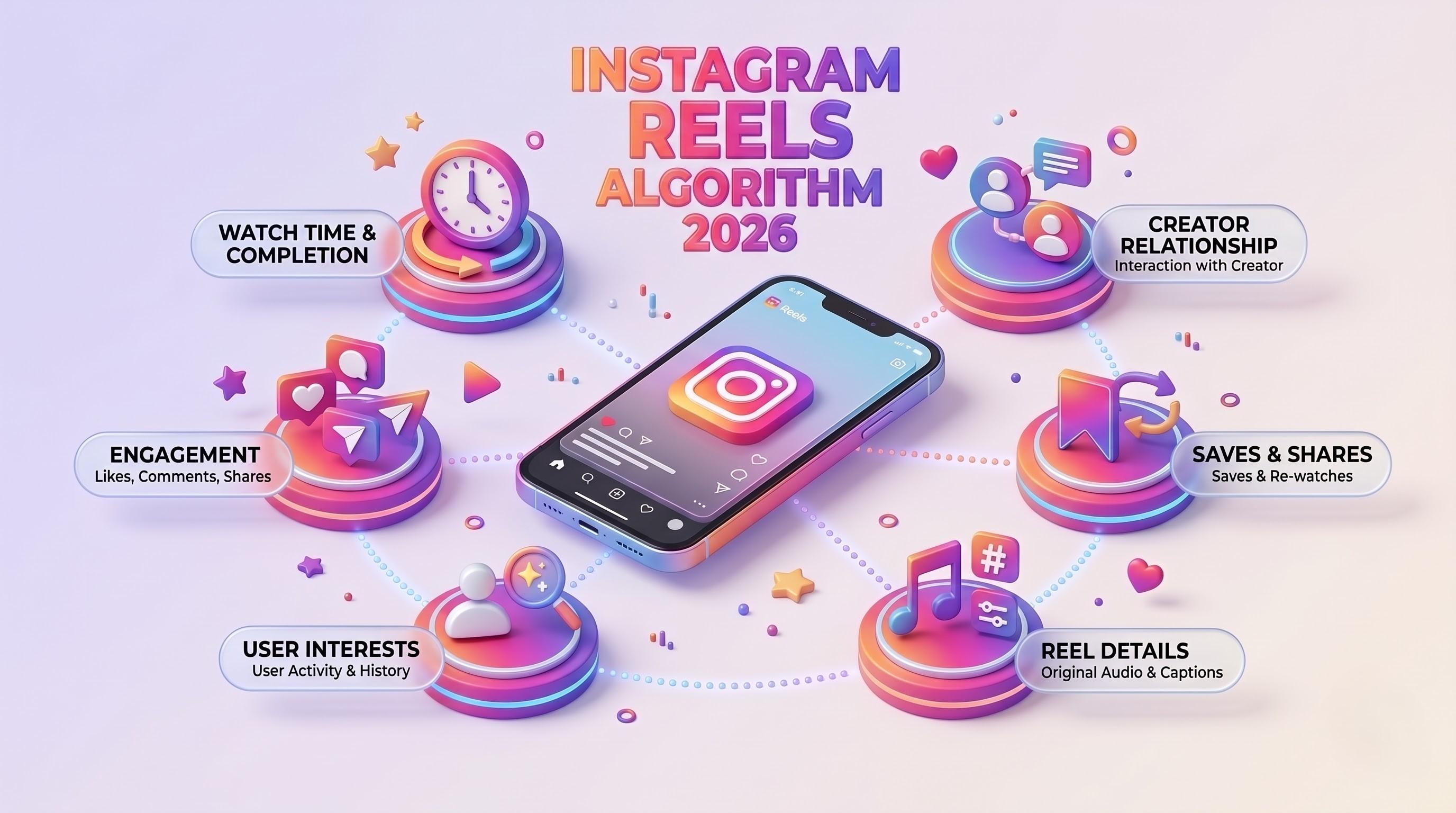
Instagram Reels Algorithm 2026: A Simple Guide for Tech-Savvy Teams
The Instagram Reels algorithm in 2026 ranks videos by watch time, DM sends and likes per reach. This easy guide explains how Reels are tested, what changed recently, and a practical checklist for developers, marketers, CTOs and product teams.

Business Corporate Intranets: A Simple Guide for Tech Teams
Business corporate intranets give every employee one secure place for news, files, people and tools. This easy guide covers features, architecture, security and a step-by-step build plan for CTOs, developers, testers and marketers.
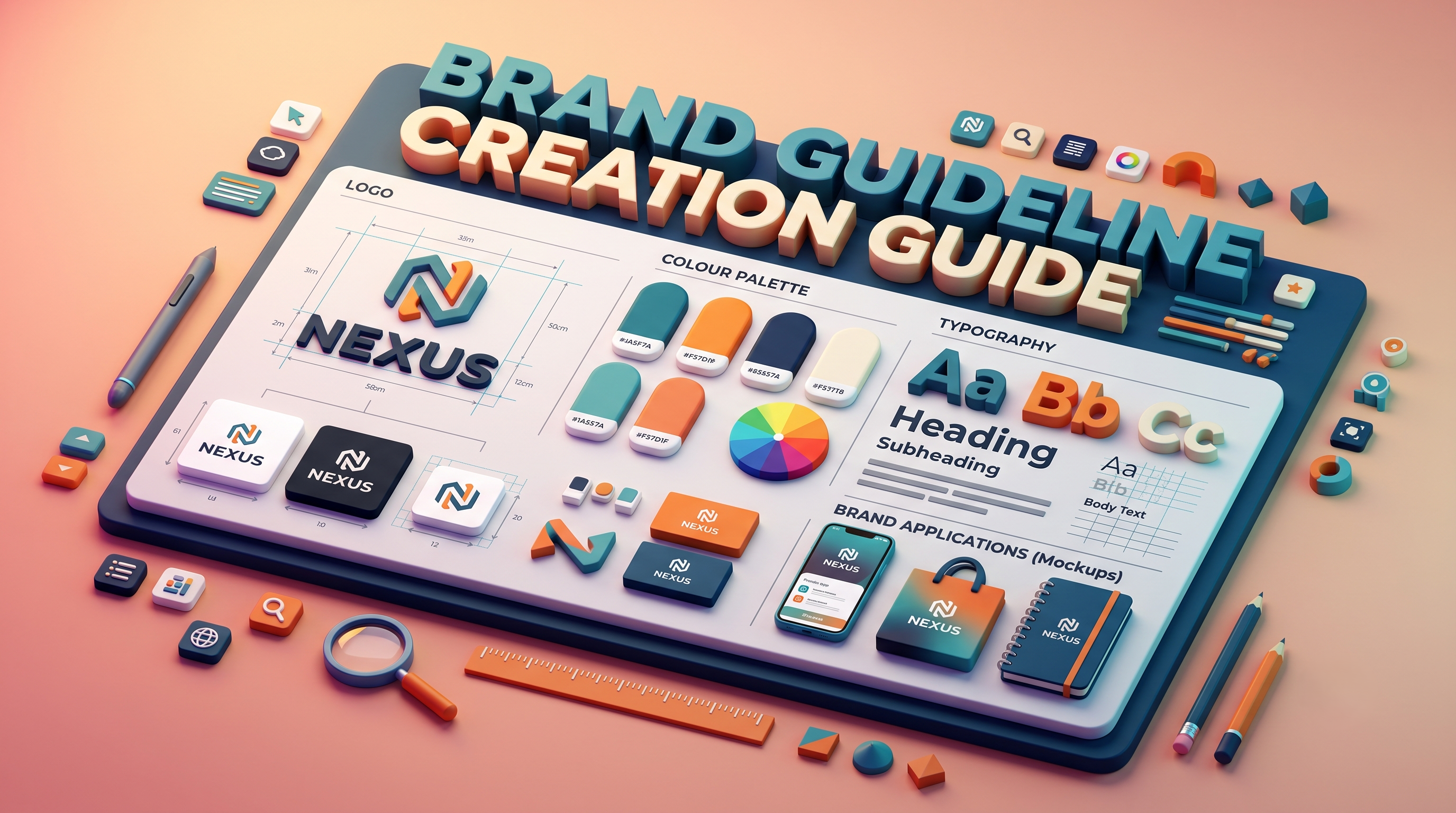
Brand Guideline Creation: A Step-by-Step Guide for Tech Brands
Brand guideline creation turns your logo, colours, fonts and voice into one clear rulebook for designers, developers, testers and marketers. This easy guide covers the core components, an 8-step process, design tokens for code, and how to connect your brand to SEO and AI.