
Table of Contents
India's app economy is booming the country's mobile application market was worth roughly USD 10.6 billion in 2024 and is projected to reach USD 27.7 billion by 2030. That growth is exactly why so many founders ask the same question before they start: how much does mobile app development cost in India? It's the right question and most answers online are frustratingly vague. Grand View Research
Here's the honest version. App pricing isn't one number; it's a function of scope, complexity, and the team you hire. At Cinute InfoMedia, we've seen budgets balloon simply because no one mapped the real costs early. This guide fixes that.
By the end of this guide, you'll know:
- Realistic 2026 price ranges for every app type
- The hidden costs that quietly wreck budgets
- How to spend smart without cutting corners
What does mobile app development cost in India in 2026?
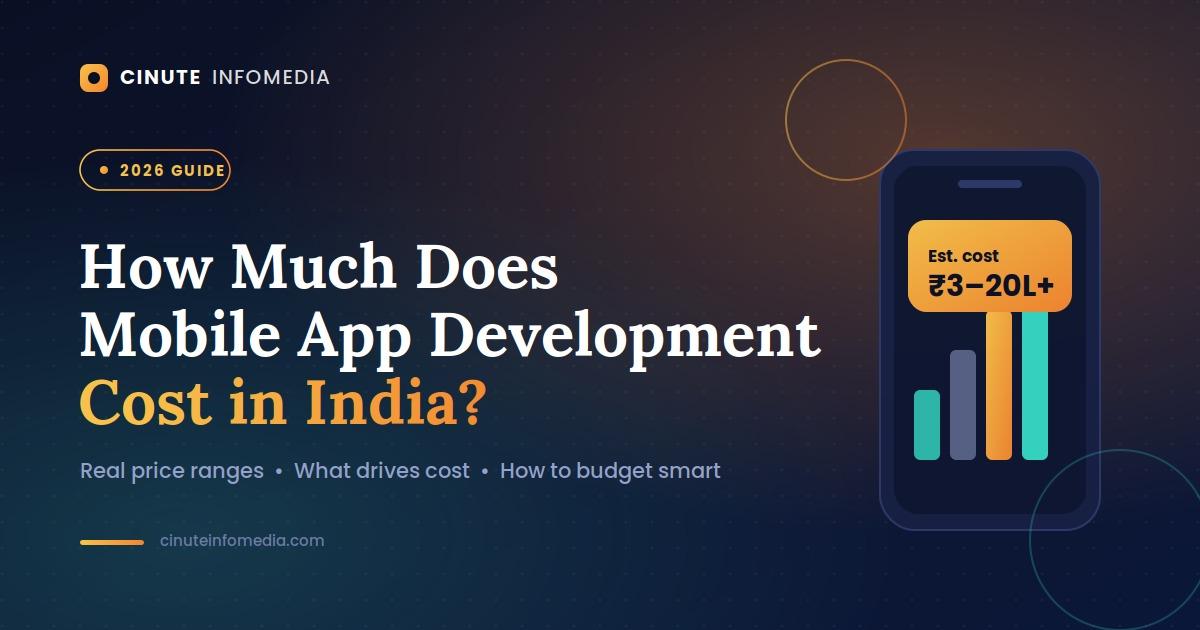
How much does it really cost? For most businesses, mobile app development cost in India ranges from ₹3–8 lakh for a simple app, ₹8–20 lakh for a mid-complexity app, and ₹20 lakh and up for a complex or enterprise app. The final figure depends on features, platforms, design depth, and ongoing maintenance not on a fixed price list.

Why Vague App Budgets Are Quietly Costing Founders Lakhs
The biggest budget killer isn't the build it's the surprise. Founders sign off on a headline quote, then watch costs climb through change requests, third-party integrations, and post-launch fixes nobody scoped.
This matters because India is now a global build hub. The wider India mobile app-development market grew from an estimated USD 8.5 billion in 2024 toward double-digit billions, expanding at a rapid double-digit CAGR, which means more vendors, wider price gaps, and more chances to overpay for the wrong thing. Market Research Future
A cheap quote often hides the expensive parts: backend infrastructure, security, and the design work that decides whether users stay. Strong custom mobile app development treats these as core line items, not afterthoughts. The same logic applies if your app connects to a web platform your web design and development layer is part of the true cost, too.
The fix is simple: price the whole system, not the headline feature. That's where a structured cost breakdown changes everything.

What You Actually Pay For Cost Breakdown, Step by Step
Here's where the money goes, outcome-first.
- Discovery & UX design. Result: fewer expensive reworks. How: wireframes and user flows locked before code. Typically 10–15% of budget.
- Frontend + backend build. Result: a working, scalable app. How: native or cross-platform app development using Flutter or React Native to cut cost across iOS and Android. Usually the largest slice, 40–55%.
- Integrations & testing. Result: fewer post-launch fires. How: payments, APIs, QA, and security hardening. 15–20%.
- Deployment & maintenance. Result: an app that keeps working. How: store launch plus ongoing updates budget 15–20% of build cost per year.
Typical 2026 cost ranges in India:
| App type | Examples | Cost range (INR) | Timeline |
|---|---|---|---|
| Simple / MVP | Basic listing, single feature | ₹3–8 lakh | 6–10 weeks |
| Mid-complexity | Login, payments, dashboard | ₹8–20 lakh | 3–5 months |
| Complex / enterprise | Real-time, AI, multi-role | ₹20 lakh+ | 6+ months |
Want a number for your idea, not a range? Get a free audit and we'll scope it with you. You can also see how we approach iOS app development when platform choice affects your budget.
Real Results What a Right-Sized Build Delivers
The following is a representative, anonymized example replace with verified client metrics before publishing.
Challenge: A regional retail SME wanted a shopping app but had a "build everything" wishlist that pushed early quotes past ₹30 lakh.
Approach: We scoped a lean MVP first core ordering, payments, and one standout feature and deferred the rest to phase two. Cross-platform development covered both Android and iOS from one codebase.
Result: Launched in under four months at roughly 40% of the original estimate, with phase-two features funded by early revenue instead of upfront capital.
This phased approach is how Cinute keeps a 98% satisfaction rate across 50+ projects in 5+ years of building for Indian businesses. You can meet our expert team to see the people behind that track record. For context, the global app market is on track to hit around USD 673 billion in revenue by the end of 2025 — meaning a smart, lean entry pays off fast. AppMySite

Custom Build vs DIY vs Cheap Agency
Cheaper isn't cheaper if you rebuild in a year. Here's the honest trade-off.
| Factor | DIY / No-code | Cheap agency | Cinute approach |
|---|---|---|---|
| Upfront cost | Lowest | Low | Moderate, scoped |
| Scalability | Hits a ceiling fast | Often limited | Built to grow |
| Hidden costs | Plugin/limits | Rework, fixes | Mapped upfront |
| Long-term value | Low | Risky | Strongest |
No-code tools are great for validating an idea. But once you need custom logic, real security, or scale, the limits get expensive. A scoped custom mobile app development partner is usually cheaper over three years even if the first invoice is larger.
How to Get Started with Cinute InfoMedia
We keep it simple and transparent:
- Discovery : we learn your goals and users.
- Audit : we pressure-test scope and flag cost risks.
- Blueprint : you get a clear, itemised estimate.
- Execution : we build in phases you can fund confidently.
We open a limited number of free audit slots each month book early to claim one. Start your free digital audit and walk away with a real number, not a guess.
FREE AUDIT: Get a free 30-min digital audit. Limited slots this month. → Book now

Frequently Asked Questions
1. How much does it cost to build an app in India in 2026?
Most apps cost between ₹3 lakh and ₹20 lakh+, depending on complexity. A simple MVP starts around ₹3–8 lakh, while feature-rich or enterprise apps exceed ₹20 lakh. Scope, platforms, design, and maintenance drive the final figure more than any fixed rate card.
2. What factors affect mobile app development cost the most?
Feature complexity is the biggest driver, followed by platform choice (iOS, Android, or both), backend and integration needs, design depth, and ongoing maintenance. Real-time features, AI, and heavy security requirements raise costs the fastest, while cross-platform builds help reduce them.
3. How long does it take to develop an app in India?
A simple MVP typically takes 6–10 weeks. Mid-complexity apps run 3–5 months, and complex enterprise apps need 6 months or more. Clear scope and a phased plan shorten timelines and prevent the delays that quietly inflate budgets.
4. Is cross-platform development cheaper than native?
Usually, yes. Cross-platform frameworks like Flutter and React Native share one codebase across iOS and Android, cutting both build cost and maintenance. Native still wins for performance-heavy apps, so the right choice depends on your features, audience, and long-term plans.
5. Is it worth outsourcing app development to India?
For most SMEs and global startups, yes. India offers strong engineering talent at competitive rates, which is why it's a leading global build destination. The key is choosing a transparent partner who scopes total cost, not just the headline build price.
Conclusion
App pricing in India isn't a mystery it's math you can plan for. Once you understand scope, platform, and maintenance, budget anxiety turns into a confident decision. The founders who win are the ones who price the whole system and build in smart phases.
Ready to transform your app budget into a real plan? Contact Cinute InfoMedia for a free audit today.
Related Articles
Competitor Gap Analysis Tools Compared: Semrush, Ahrefs and More
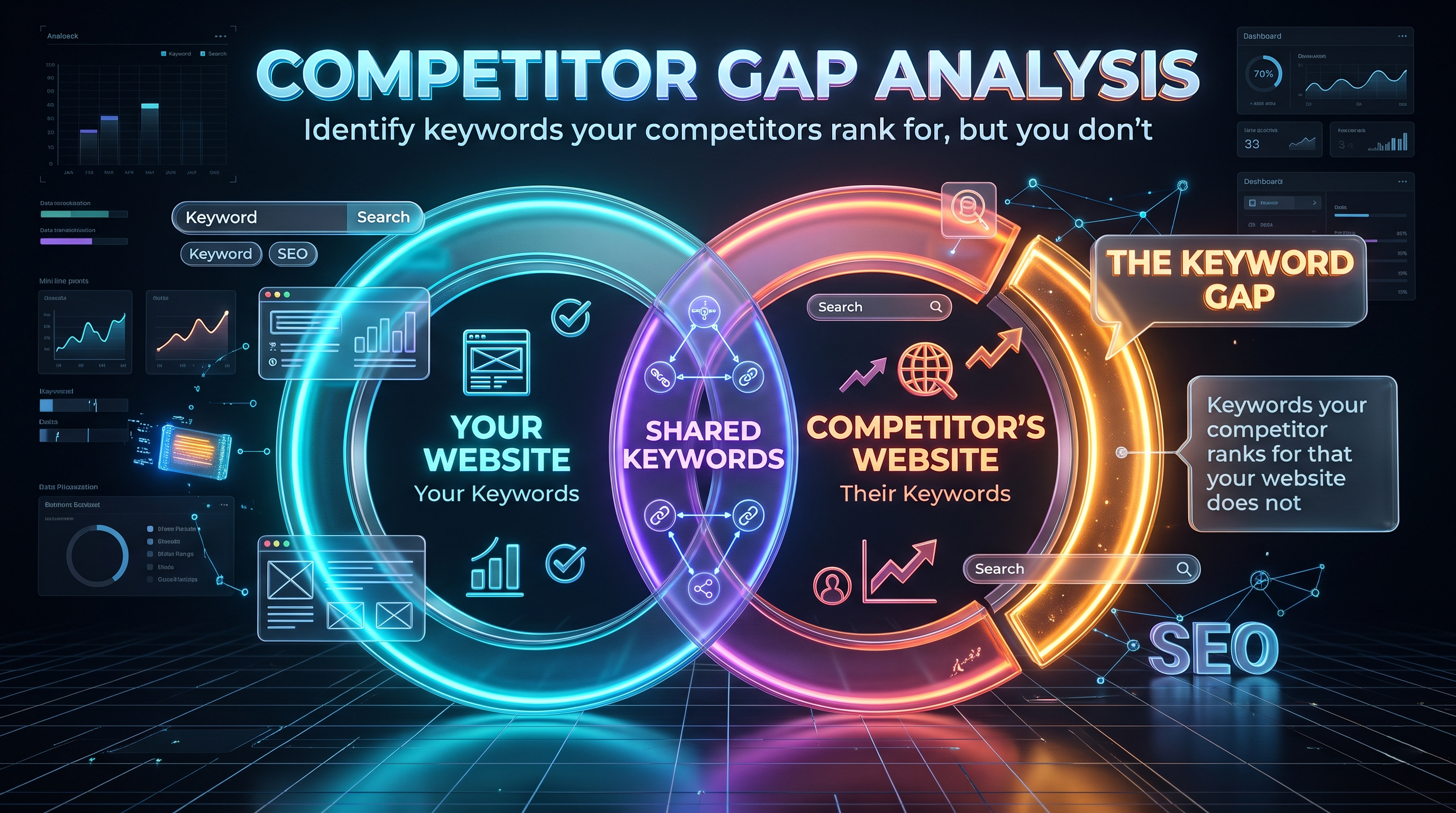
Your competitors are ranking for keywords you have never targeted. Competitor gap analysis tools show you exactly where, and what to do about it. This easy guide explains keyword, content and backlink gaps, compares the best tools, and gives developers, marketers and product teams a 7-step plan to close the gaps.
AI Personalization Engines: A Simple Guide for Tech Teams
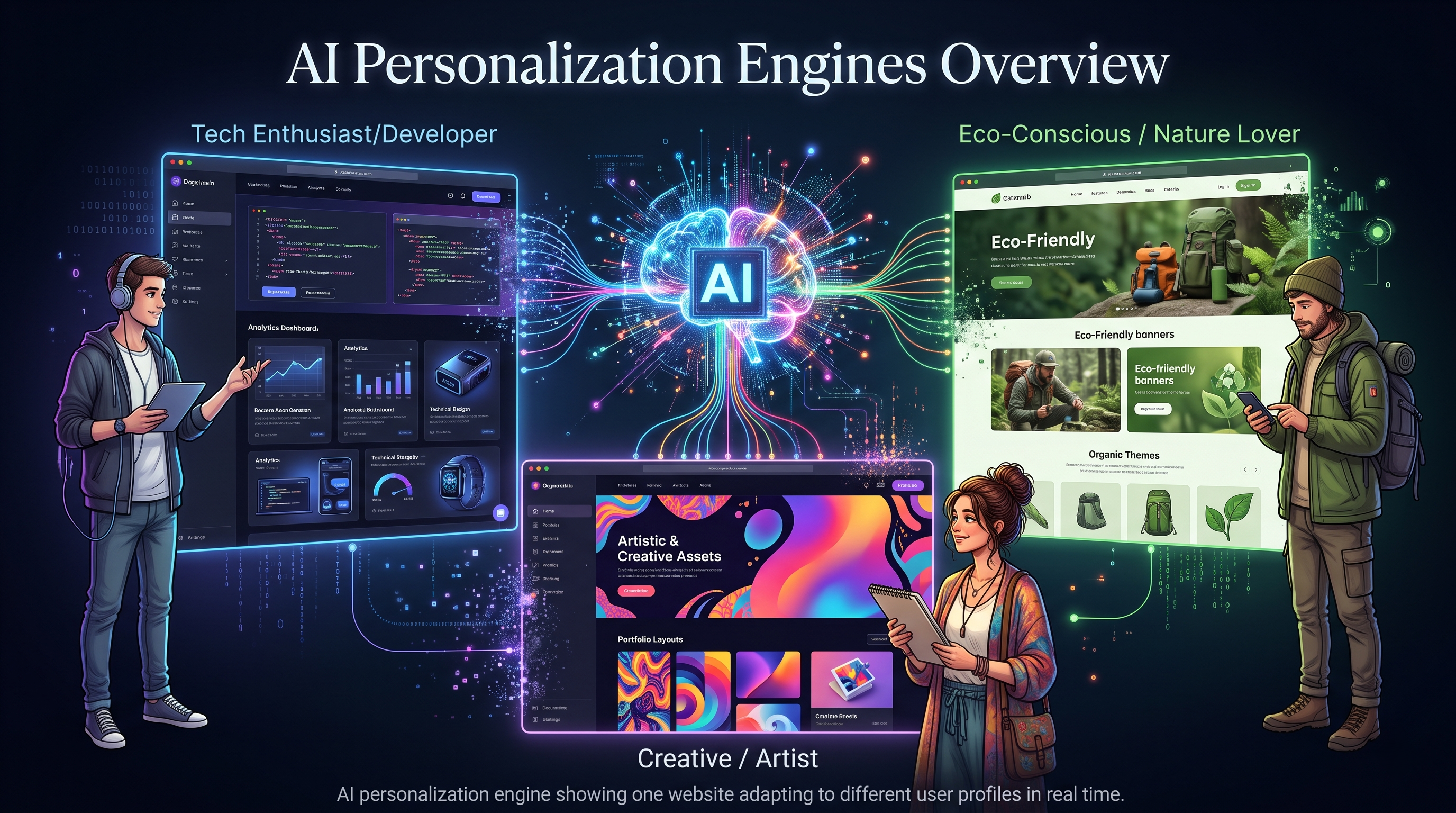
AI personalization engines use machine learning to show each user the right content, product or offer in real time. This easy guide covers how they work, core models, a 7-step build plan, testing, privacy and SEO for developers, testers, marketers and CTOs.
Instagram Reels Algorithm 2026: A Simple Guide for Tech-Savvy Teams
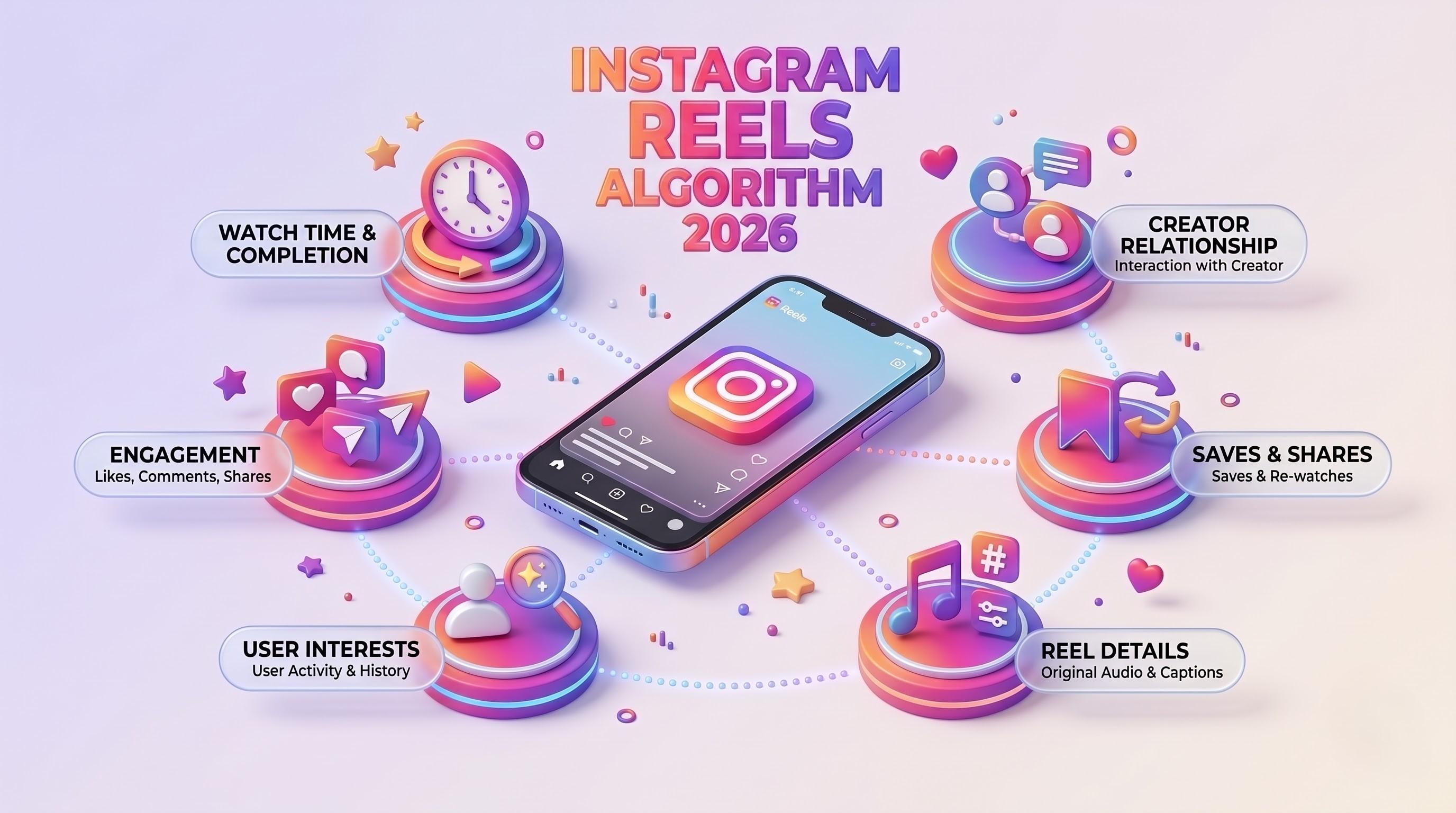
The Instagram Reels algorithm in 2026 ranks videos by watch time, DM sends and likes per reach. This easy guide explains how Reels are tested, what changed recently, and a practical checklist for developers, marketers, CTOs and product teams.