
Table of Contents
Entertainment media sites have evolved from simple video hosting platforms to sophisticated digital ecosystems. Today's streaming platforms, OTT services, and content distribution networks demand robust technical infrastructure, intelligent personalization engines, and seamless user experiences. As a CTO or digital manager overseeing an entertainment platform, understanding the technology stack, user engagement strategies, and monetization approaches is critical to success. This guide explores the technical foundations, best practices, and strategic considerations for building and scaling entertainment media websites that generate leads, retain audiences, and maximize revenue potential.
What Are Entertainment Media Sites? Understanding the Landscape
Entertainment media sites encompass diverse digital properties: video streaming platforms (Netflix-style), live event broadcasting solutions, music streaming services, gaming platforms, podcasting networks, and short-form content hubs. These platforms generate $500+ billion annually globally, with OTT (Over-The-Top) platforms capturing an increasingly significant market share.
Key categories include: Subscription Video on Demand (SVOD): Netflix, Disney+, Amazon Prime Video
Ad-Supported Video on Demand (AVOD): YouTube, Pluto TV, Tubi
Live Streaming Platforms: Twitch, YouTube Live, Facebook Gaming
Niche Content Platforms: Specialized media for specific audiences
Social Entertainment: TikTok, Instagram Reels, YouTube Shorts
For CTOs and managers, choosing the right technology stack and architecture determines scalability, user retention, and profitability.
Why Entertainment Media Sites Matter for Your Business Growth
The Market Reality:
- Global video streaming subscriptions exceeded 2 billion in 2024
- Average entertainment platform user engagement: 2+ hours daily
- Streaming video comprises 82% of all internet traffic
- Entertainment platforms capture 45% of digital advertising budgets globally
For service-based companies and agencies like Cinute InfoMedia's clients, building next-generation entertainment media websites opens multiple revenue streams: licensing deals, white-label solutions, API partnerships, and technology licensing.
Strategic Value Proposition:
CTOs and managers overseeing entertainment platforms need:
1. Scalable video infrastructure
2. AI-powered content recommendations
3. Sophisticated rights management
4. Real-time analytics and monetization tools
5. Multi-device compatibility and seamless playback
Core Technical Components of Modern Entertainment Media Sites
1. Video Streaming Infrastructure & Content Delivery
The foundation of any entertainment media website is robust video infrastructure. This includes:
Adaptive Bitrate Streaming (ABR): Technologies like DASH, HLS, and CMAF allow platforms to deliver video at quality levels matching user bandwidth. A platform serving global audiences must handle variable connectivity from 4G mobile users in emerging markets to fiber broadband consumers in developed regions.
Content Delivery Networks (CDNs): Platforms like Akamai, CloudFlare, and AWS CloudFront ensure sub-second latency by distributing content geographically. This directly impacts user retention; studies show 45% of users abandon videos if buffering exceeds 2 seconds.
Live Streaming Capabilities: Technologies like RTMP, WebRTC, and MPEG-DASH enable real-time broadcasting for live sports, events, and creator streams. This requires ultra-low latency infrastructure typically under 5 seconds for acceptable performance.
Digital Rights Management (DRM): Entertainment media sites must protect copyrighted content using industry-standard solutions like Widevine, PlayReady, and FairPlay. This prevents unauthorized distribution and ensures compliance with licensing agreements.
2. Personalization & Recommendation Engines
Modern entertainment platforms rely on machine learning for content discovery. Effective recommendation systems increase engagement by 40-60% and reduce churn.
Machine Learning Models:
- Collaborative filtering (analyzing user behavior patterns)
- Content-based filtering (matching user preferences to content attributes)
- Hybrid approaches combining user and item data
- Neural networks predicting watch-through rates and engagement
Platforms like Netflix invest heavily in recommendation technology because it directly drives subscription retention. Your entertainment media website's personalization layer should be sophisticated enough to suggest relevant content within 500ms of user interaction.
3. User Experience & Interface Design
The interface directly impacts engagement metrics:
Navigation: Homepage design, search functionality, content categorization
Playback Experience: Play/pause responsiveness, quality selection, subtitle/audio options
Social Features: Sharing, reviews, watch-party capabilities
Accessibility: Closed captions, audio descriptions, screen reader compatibility
Web design and development for entertainment sites requires understanding user journey mapping and data-driven design iterations. A/B testing on UI elements (thumbnail design, call-to-action placement) can improve conversion rates by 20-30%.
4. Monetization Infrastructure
Entertainment media websites generate revenue through:
Subscription Models (SVOD):
- Tiered pricing (ad-free premium, standard, mobile-only)
- Revenue per subscriber averaging $8-15 globally
- Churn management through engagement optimization
Ad-Supported Models (AVOD/FAST):
- Mid-roll and pre-roll ad placements
- Programmatic advertising integration
- Revenue per user (RPU) of $2-5 depending on region
Hybrid Models:
- Netflix's ad-supported tier generating $2B+ annually
- Combination strategies maximizing lifetime value
Your platform needs sophisticated subscription management, payment processing (supporting local payment methods), and billing reconciliation systems.
Building Scalable Entertainment Media Websites: The Technical Blueprint
Architecture Considerations
Microservices Architecture:
Modern entertainment platforms use microservices to handle independent scaling:
- Video management service
- User authentication & authorization
- Recommendation engine
- Billing & subscription service- Analytics pipeline
- Content delivery orchestration
This approach enables teams to deploy updates independently, scale specific services based on demand, and maintain system resilience.
Database Strategy:
NoSQL (MongoDB, Cassandra): For user profiles, watch history, preferences
SQL (PostgreSQL, MySQL): For transactional data (subscriptions, payments)
Data Warehouses (Snowflake, BigQuery): For analytics and reporting
Cache Layer (Redis, Memcached): For recommendation scores and session data
The right database combination ensures sub-100ms response times for user queries while supporting real-time analytics across millions of concurrent users.
Technology Stack Example
For enterprise-grade entertainment media sites, consider:
Frontend: React, Vue.js, or Next.js for responsive web applications
Mobile: Swift/Kotlin native or React Native/Flutter for cross-platform consistency
Backend: Node.js, Python/Django, Java Spring Boot, or Go microservices
Video Infrastructure: AWS Elemental, FFmpeg, Wowza, or Agora for live streaming
Analytics: Custom event tracking + Google Analytics 4 + data warehouse integration
AI/ML: TensorFlow, PyTorch for recommendation models; LLMs for content summarization
Strategic Considerations for Entertainment Media Site Managers
1. Content Strategy & Licensing
Content is the lifeblood of entertainment platforms. Strategic decisions include:
In-house Production: Building proprietary content (expensive, 18-24 month ROI)
Content Licensing: Acquiring rights from studios and independent creators
User-Generated Content: Enabling creators reduces content costs
Mixed Models: Combining licensed and original content (Netflix's strategy)
Managers should implement AI workflows and automations for content metadata management, rights tracking, and licensing compliance.
2. User Retention & Engagement Optimization
Average streaming platform churn: 2-5% monthly
Retention strategies:
Personalized Onboarding: Guiding users to relevant content within first 5 minutes
Engagement Notifications: Timely alerts about new releases, trending content
Social Features: Watch parties, reviews, follow creators for lower churn
Gamification: Achievement badges, challenges, leaderboards boost engagement
AI-powered chatbots can handle customer support 24/7, answering questions about content, billing, and features reducing support costs while improving satisfaction.
3. Monetization Optimization
A/B testing pricing tiers, ad frequency, and subscription duration significantly impacts revenue:
Pricing: Test $4.99, $9.99, $14.99 tiers to find optimal willingness-to-pay
Ad Load: Optimal CPM achieved with 6-8 minute ads per hour; beyond this, churn increases
Trial Periods: 7-day free trials convert better than 30-day trials in high-intent segments
Performance marketing strategies can help acquire users at lower customer acquisition costs, improving CAC payback periods.
4. Rights Management & Compliance
Entertainment media sites must navigate complex licensing landscapes:
Territorial Restrictions: Content licensing varies by geographic region
Device Limitations: Some licenses restrict simultaneous streams
Expiration Dates: Licenses expire; content must be removed automatically
DRM Compliance: Meeting studio requirements for copy protection
Custom web application development should include automated license management systems preventing legal exposure.
SEO & Discovery Optimization for Entertainment Media Sites
Entertainment platforms compete for visibility through:
Technical SEO Best Practices
Structured Data Implementation:
- Schema.org markup for Movie, TVSeries, and VideoObject entities
- Enables rich snippets in Google Search results
- Technical SEO optimization includes crawlability for content catalogs
Site Speed Optimization:
- Core Web Vitals critical for ranking: LCP <2.5s, FID <100ms, CLS <0.1
- Image optimization: WebP format, lazy loading
- Video thumbnail delivery: Lightweight, optimized images
Content Indexability:
- Ensure trailers, descriptions, reviews are indexable
- Implement pagination correctly for series/seasons
- Use hreflang tags for multi-language platforms
Content Discovery Strategy
Blog & Educational Content:
Create SEO-optimized content addressing user questions:
- Best movies to watch in [genre]
- Hidden gems on [platform]
- How to improve streaming quality
This drives organic traffic while positioning your platform as an authority.
Social Media Amplification:
Social media marketing strategies amplify reach:
Instagram clips showcasing content
TikTok trailers for younger demographics
LinkedIn thought leadership for B2B partnerships
Building AI-Powered Entertainment Platforms
Recommendation Intelligence
Modern platforms use AI for:
Next Episode Auto-Play: Predicting user interest to queue content
Search Understanding: Natural language search ("sad movies with happy endings")
Content Synthesis: AI-generated descriptions and category tags
Churn Prediction: Identifying at-risk subscribers for targeted retention offers
Chatbot-Powered Customer Support
AI chatbots handling entertainment platform support:
- "What should I watch?" – Conversational recommendations
- Billing questions - Subscription management, payment issues
- Technical support - Streaming quality, device compatibility
- Content discovery - Personalized suggestions
These bots reduce support costs by 60-70% while improving customer satisfaction.
Competitive Landscape: What Successful Platforms Do Differently
Netflix's Competitive Advantages:
1. Algorithm strength: Recommendation engine accounts for 80% of user engagement
2. Content investment: $17B+ annually in original content
3. Global infrastructure: 47 CDN partnerships ensuring low latency worldwide
4. Churn management: Predictive analytics identifying at-risk subscribers
Disney+'s Differentiation:
1. Exclusive content advantage: Marvel, Star Wars franchises
2. Price positioning: Bundling with Hulu, ESPN+
3. Marketing integration: Leveraging Disney brand
4. International expansion: Localized content strategies
YouTube's Model:
1. UGC ecosystem: Enabling creators drives engagement
2. Monetization flexibility: Revenue sharing attracts creators
3. Search integration: Leveraging Google's dominance
4. Live streaming focus: Real-time engagement
For emerging platforms, success requires differentiation whether through niche content, unique UX, better personalization, or superior pricing.
Implementation Roadmap: From Strategy to Launch
Phase 1: Planning & Discovery (Weeks 1-4)
- Define content strategy
- Identify target audience
- Determine monetization model
- Map competitive landscape
Phase 2: Technical Planning (Weeks 5-8)
- Architecture design
- Technology stack selection
- Infrastructure planning
- Security & compliance review
Phase 3: Development & Build (Months 3-8)
- Frontend development- Backend infrastructure
- Video pipeline implementation
- Payment & subscription systems
Phase 4: Launch & Optimization (Months 9-12)
- Closed beta testing- Performance optimization
- Marketing campaign execution
- User acquisition strategy
Phase 5: Scale & Enhance (Ongoing)
- Analytics-driven improvements
- Feature releases
- Content expansion
- International scaling
Choosing the Right Development Partner
When building entertainment media sites, partnering with experienced developers accelerates time-to-market:
Look for expertise in:
- Streaming video technology (HLS, DASH, WebRTC)
- High-performance databases and caching
- Machine learning for recommendations
- Payment systems and subscription management
- Global CDN optimization
- 24/7 infrastructure monitoring
Cinute InfoMedia has delivered 300+ digital projects for media, entertainment, and tech companies, with proven expertise in custom website development, mobile app development, and AI automation.
Future Trends in Entertainment Media Technology
Emerging Technologies Reshaping the Industry
AI-Generated Content: Tools creating personalized video intros, summaries, and recommendations
Virtual Reality Streaming: Immersive entertainment experiences for VR platforms
Interactive Content: Branching narratives where viewers shape story outcomes
Live Shopping: Integrating e-commerce into entertainment experiences
Blockchain & NFTs: Digital collectibles tied to content (though adoption remains limited)
5G & Low-Latency Streaming: Enabling ultra-responsive interactive content
Conclusion: The Future of Entertainment Media Sites
Entertainment media sites will continue consolidating around superior user experience, intelligent personalization, and diverse monetization models. The winners will be platforms that:
- Deliver exceptional user experience across devices
- Invest in proprietary technology and content differentiation
- Use AI for personalization and operational efficiency
- Maintain flexible monetization strategies
- Build engaged creator and community ecosystems Whether you're launching a new streaming platform, optimizing an existing service, or exploring new entertainment opportunities, the technical and strategic foundations covered here provide a roadmap for success.
Ready to build or scale your entertainment media platform?
Get a free technical audit from Cinute InfoMedia's web development experts. We'll analyze your current infrastructure, identify optimization opportunities, and provide a customized roadmap for growth.
FAQ: Entertainment Media Sites
Q: How much does it cost to build a streaming platform?
A: Development costs range from $250K (MVP) to $2M+ (enterprise). CDN and infrastructure costs typically run $50K-200K monthly at scale. Get a custom quote for your project.
Q: What's the minimum viable product for a streaming platform?
A: An MVP includes user authentication, video upload/storage, basic playback, and analytics. Building this typically requires 4-6 months and $150K+. Our SaaS development expertise accelerates time-to-market.
Q: How do I reduce user churn on my platform?
A: Focus on personalization (40% churn reduction), engagement notifications (25% improvement), and AI chatbots for 24/7 support. A/B test pricing tiers and content strategies.
Q: Should I build or use white-label solutions?
A: White-label platforms (Muvi, Vimeo OTT) launch faster ($30-100K/year) but offer limited differentiation. Custom development enables competitive advantages but requires higher investment ($500K+).
Q: How important is AI/ML for entertainment platforms?
A: Critical. AI drives 60-80% of engagement through recommendations. Platforms without sophisticated recommendations show 2-3x higher churn rates.
Related Articles
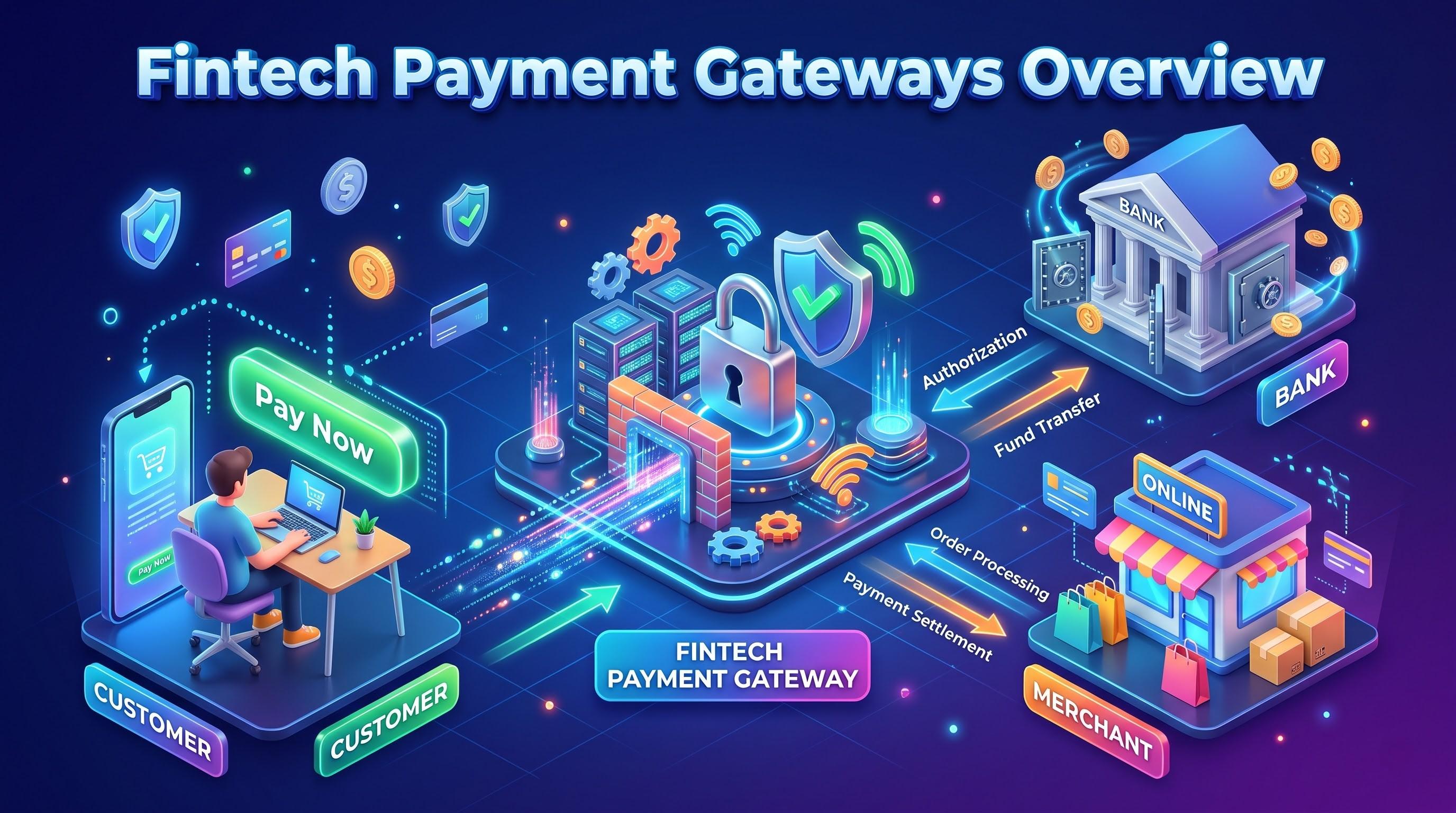
Fintech Payment Gateways: How They Work and How to Choose the Right One
Fintech payment gateways decide how fast money moves, how many payments succeed and how safe customer data stays. This easy guide explains how gateways work, the main types, PCI DSS security rules, 2026 trends and a 7-step plan to choose, integrate and test one. Written for developers, testers, marketers, CTOs and product managers.
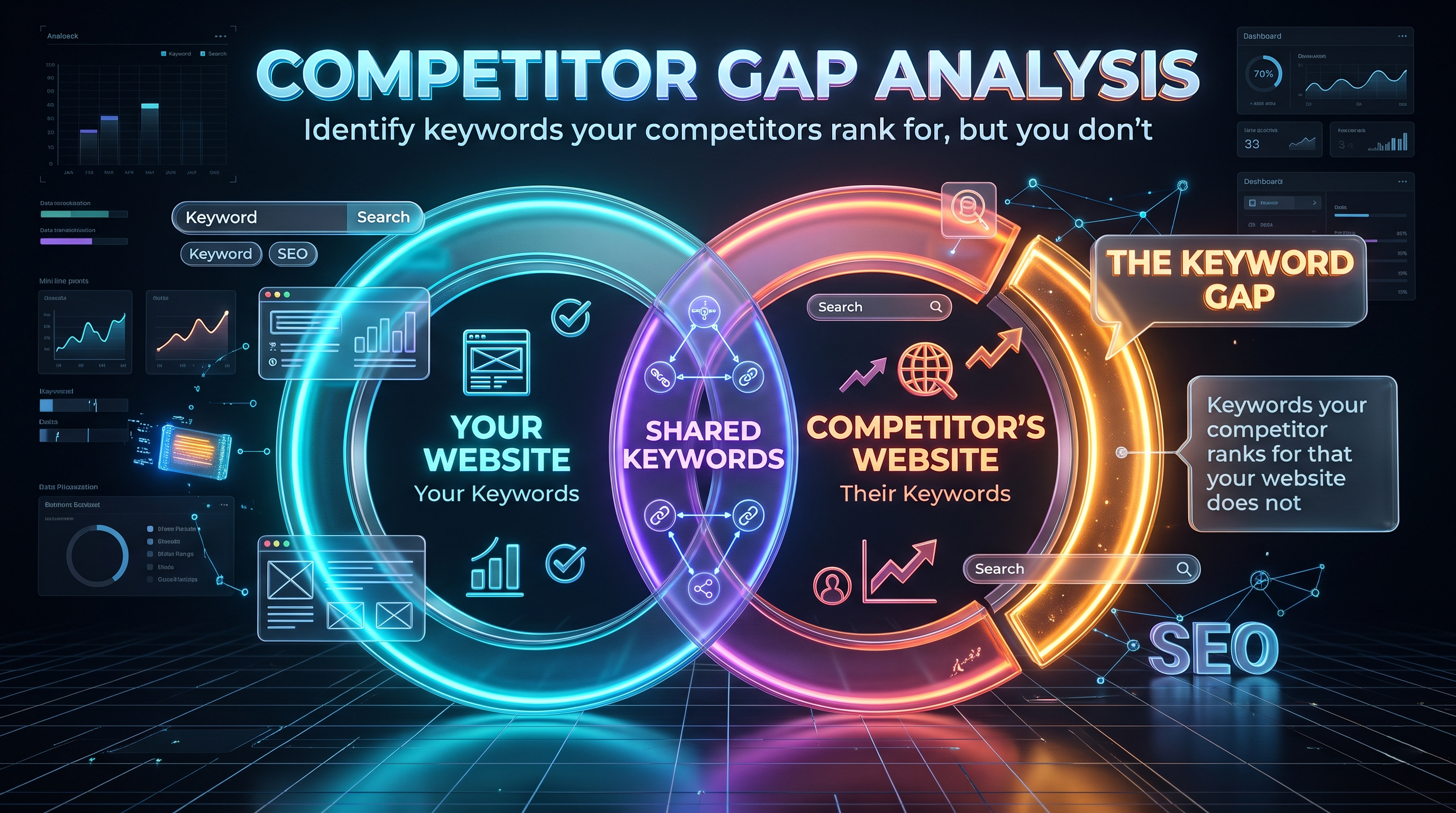
Competitor Gap Analysis Tools Compared: Semrush, Ahrefs and More
Your competitors are ranking for keywords you have never targeted. Competitor gap analysis tools show you exactly where, and what to do about it. This easy guide explains keyword, content and backlink gaps, compares the best tools, and gives developers, marketers and product teams a 7-step plan to close the gaps.
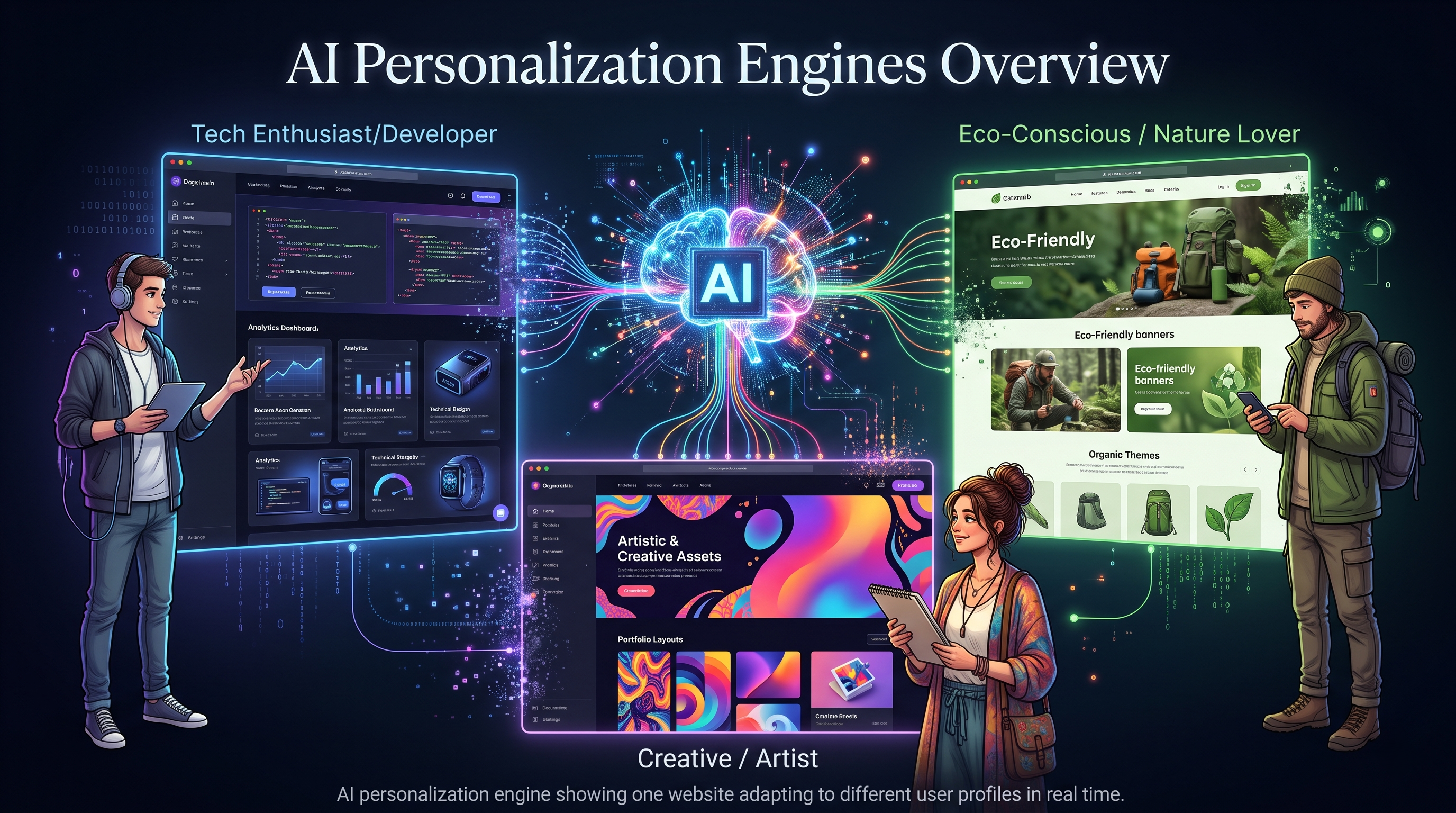
AI Personalization Engines: A Practical Guide to Smarter, Real-Time User Experiences
AI personalization engines use machine learning to show each user the right content, product or offer in real time. This easy guide covers how they work, core models, a 7-step build plan, testing, privacy and SEO for developers, testers, marketers and CTOs.