
Table of Contents
Search used to have one goal: rank in the top 10. In 2026, that's no longer enough. Google's AI Overviews now appear in roughly a quarter of all searches, ChatGPT and Perplexity are answering questions directly without sending a single click to your site, and a growing share of Google searches themselves end without a click at all.
The new goal isn't just ranking it's being cited. If an AI engine doesn't mention your brand while answering a user's question, you're invisible, even if you'd have ranked.
This guide breaks down what AI citations actually are, why they matter more than traditional rankings right now, and a practical framework you can use to start earning them.
What Are AI Citations?
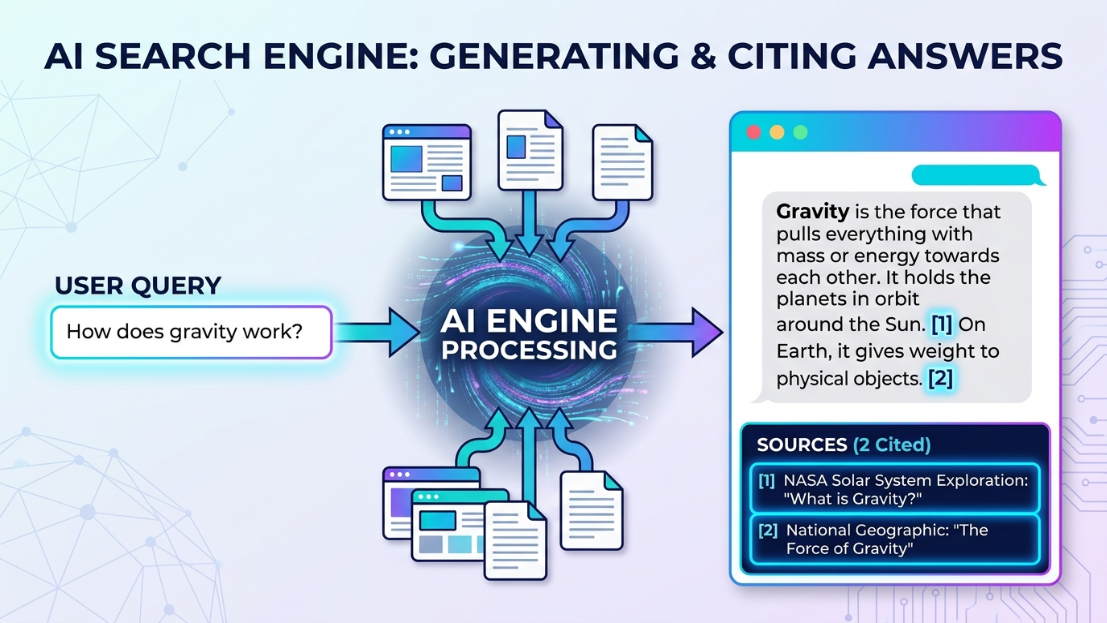
An AI citation happens when a generative AI system Google AI Overviews, ChatGPT, Perplexity, Claude, or similar tools references or links to your website as the source behind part of its answer.
Unlike a traditional search ranking, an AI citation isn't about position on a results page. It's about whether the AI system's underlying retrieval process judged your content clear, structured, and trustworthy enough to pull from and attribute.
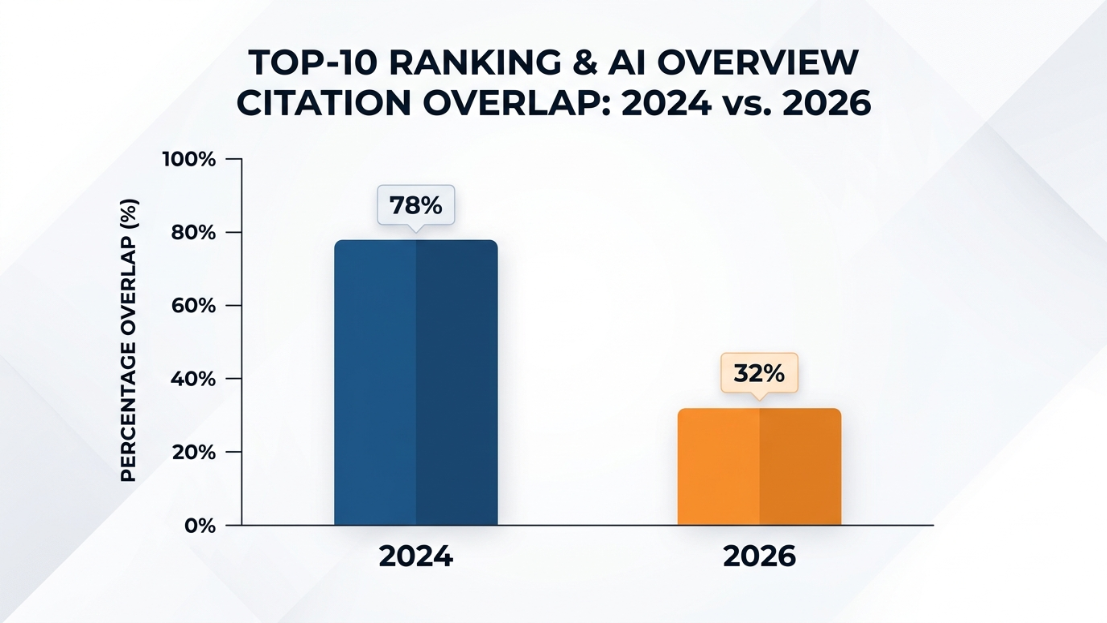
This distinction matters because the two are increasingly separate games. Being cited in an AI answer used to correlate closely with ranking on page one of Google but that relationship has weakened significantly through 2026, with several independent studies now showing the overlap between top-10 rankings and AI Overview citations has dropped from roughly three-quarters to well under half. In other words, a page that doesn't crack Google's first page can still be the one an AI engine chooses to cite and a page that ranks #1 is no longer guaranteed a mention.
Why AI Citations Matter for Your Business Now
The numbers make the shift hard to ignore:
- Zero-click search is now the norm, not the exception - A large and growing share of Google searches end without any click to an external site, and that share climbs even higher for Google's newer AI Mode experience, where most queries are resolved entirely on the results page.
- Click-through rates drop sharply when an AI Overview appears - on a search results page, according to multiple independent studies through 2025 and 2026.
- The correlation between page-one rankings and AI citations is breaking down - Research from several SEO analytics firms in early-to-mid 2026 shows a large share of AI Overview citations now come from pages that don't appear in the traditional top 10 results at all.
- Generative Engine Optimization (GEO) is quickly becoming its own discipline - separate from, but connected to, traditional SEO with industry surveys showing a large jump in the share of marketers actively building GEO strategies compared to a year earlier.
The takeaway: if your content strategy is still optimized purely for ranking position, you're solving for a metric that's losing relevance. Visibility inside AI-generated answers is becoming the new front door to your brand.
How AI Search Engines Actually Choose What to Cite
AI systems don't rank pages the way traditional search does. They retrieve and synthesize information from multiple sources, then decide which ones are clear and credible enough to attribute. A few factors consistently show up across current research as strong predictors of citation:
- Branded web mentions - being talked about by name across the web (review sites, forums, industry publications) correlates more strongly with AI visibility than raw backlink counts.
- Content structure and readability - plain, well-organized language that directly answers a question tends to get cited more often than dense, jargon-heavy copy.
- Q&A and list formats - content structured around clear questions and direct answers is easier for AI systems to extract and attribute cleanly.
- Content depth - thorough coverage of a topic (appropriate sentence and word depth) matters more to AI citation than traditional ranking signals like traffic or backlink volume.
- Freshness and specificity - AI systems favor content that reflects current information over generic, evergreen-only pages.
- Structured data - schema markup helps AI crawlers parse exactly what your content is about and how it's organized.
A Practical Framework for Earning AI Citations
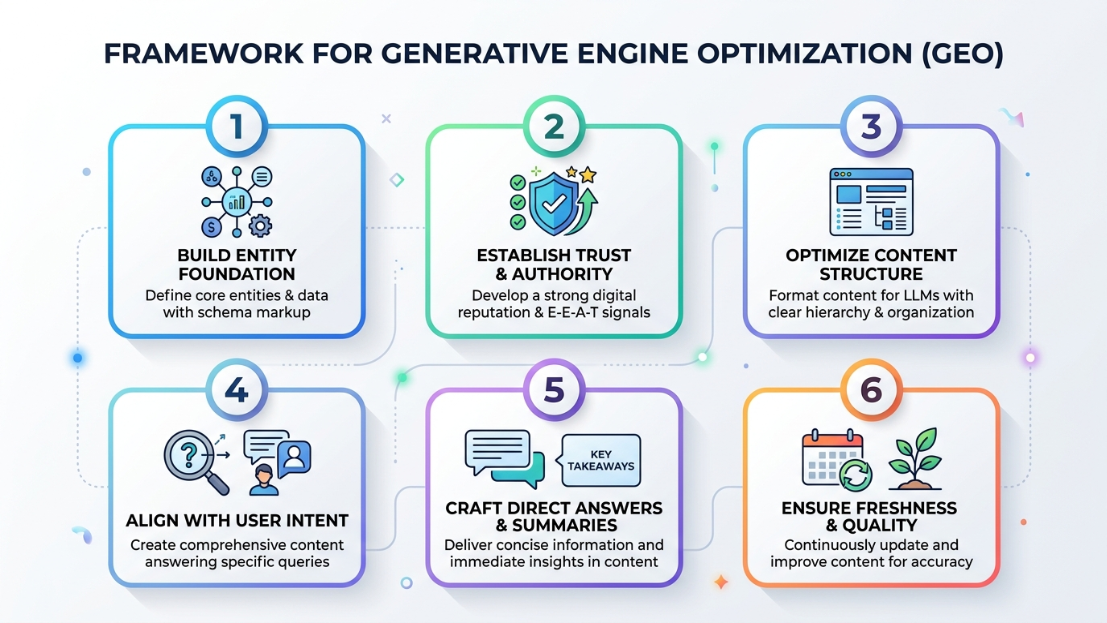
Here's a working framework you can apply to existing content or new pages:
1. Lead with direct answers
Open each section with a clear, self-contained answer to the implied question before adding supporting detail. AI systems tend to extract the first clear answer they find.
2. Structure content around real questions
Use H2/H3 headers phrased as questions where natural, and answer each in 2–4 sentences before expanding. This mirrors how people actually query AI tools.
3. Implement schema markup
FAQ schema, Article schema, and Organization schema all give AI crawlers structured signals about your content and your brand's identity reducing ambiguity in how you're represented.
4. Build branded mentions, not just backlinks
Get your brand named not just linked across review platforms, industry roundups, podcasts, and forums like Reddit. Brand mentions are proving to be a stronger AI citation signal than traditional link-building alone.
5. Keep content current
Add visible "last updated" dates and refresh statistics, examples, and screenshots regularly. AI systems favor sources that appear current over stale ones.
6. Write for depth and clarity together
Don't sacrifice thoroughness for brevity, or clarity for length. The content that gets cited most consistently is both comprehensive and easy to parse long enough to be authoritative, structured enough to be extractable.
How to Check If You're Already Being Cited
You can't optimize for citations you're not tracking. A few practical ways to check:
- Manually query ChatGPT, Perplexity, and Google AI Overviews with questions your target customers would ask, and note whether your brand appears.
- Use dedicated AI-visibility monitoring tools that track citations across multiple AI engines over time.
- Watch branded search volume in Google Search Console a rise in people searching your company name directly is often a downstream signal of AI citation exposure, even without a click.
How This Guide Practices What It Preaches
Since this article is about earning AI citations, it's worth being transparent about how it's built to qualify for one: clear question-based headers, direct answers up front, real (attributed) data rather than invented statistics, a visible last-updated date, and a named author with a stated role. This space is still evolving quickly best practices here are informed guidance based on current research, not guaranteed outcomes, and they'll keep shifting as AI search matures.
FAQ
What's the difference between SEO and GEO?
Traditional SEO optimizes for ranking position in search results. Generative Engine Optimization (GEO) optimizes for being cited or mentioned inside AI-generated answers a related but increasingly distinct goal.
Do I need to abandon traditional SEO?
No. Traditional search still drives significant traffic, and many of the same fundamentals (clear structure, authority, technical health) support both traditional rankings and AI citations. Treat GEO as an addition to your strategy, not a replacement.
How long does it take to start earning AI citations?
There's no fixed timeline, since AI systems vary in how frequently they re-crawl and re-evaluate sources. Focusing on structure, branded mentions, and content freshness tends to show results faster than link-building alone did for traditional SEO.
Ready to Optimize Your Content for AI Search?
AI citation visibility is quickly becoming as important as your search rankings and the strategies behind it (structured content, technical SEO, brand authority) are exactly where a coordinated SEO and content strategy approach pays off. If you want a technical audit of where your site currently stands with AI search engines, our team can help including how AI workflows and automation can support ongoing content monitoring.
Related Articles
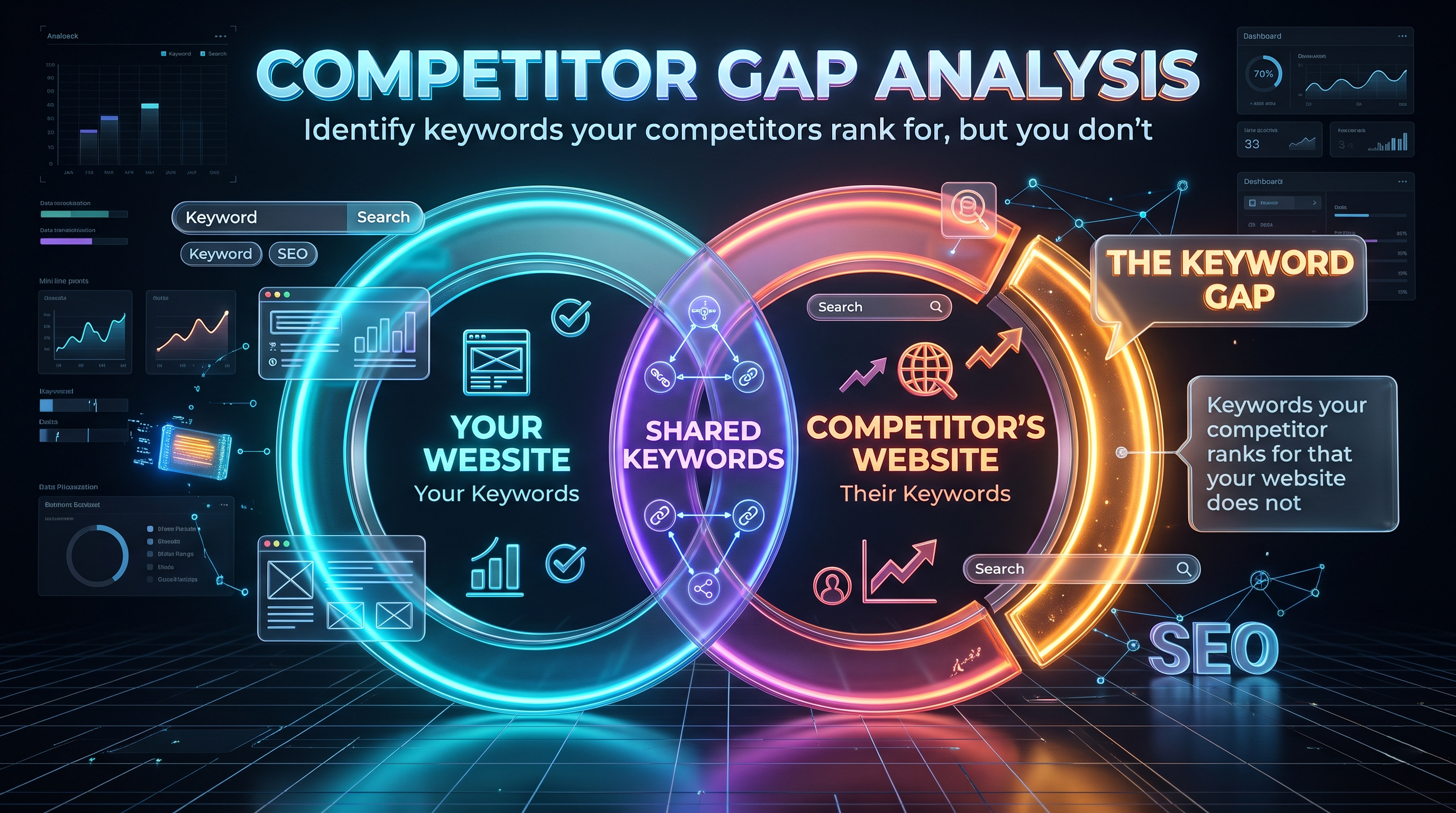
Competitor Gap Analysis Tools Compared: Semrush, Ahrefs and More
Your competitors are ranking for keywords you have never targeted. Competitor gap analysis tools show you exactly where, and what to do about it. This easy guide explains keyword, content and backlink gaps, compares the best tools, and gives developers, marketers and product teams a 7-step plan to close the gaps.
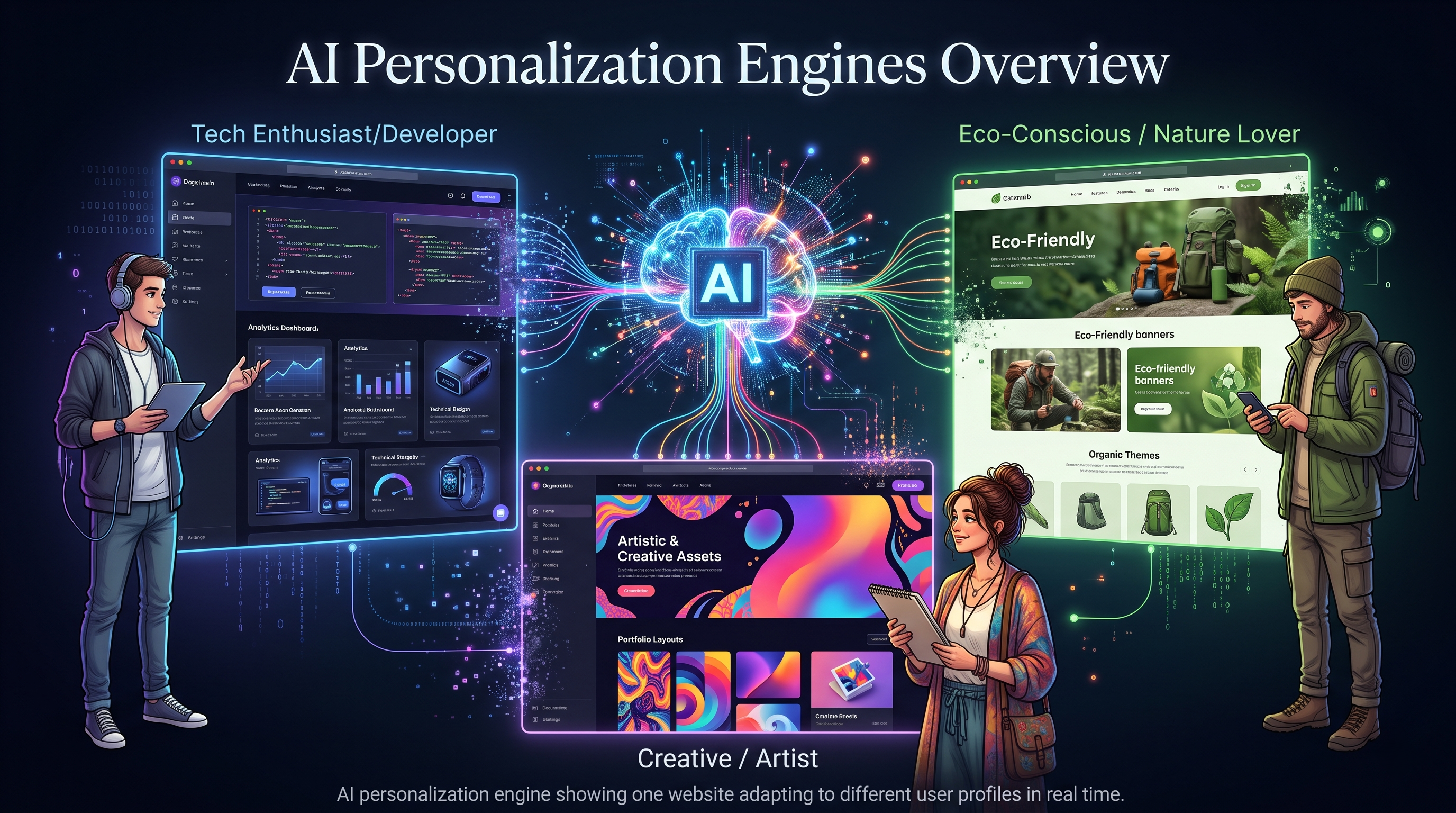
AI Personalization Engines: A Simple Guide for Tech Teams
AI personalization engines use machine learning to show each user the right content, product or offer in real time. This easy guide covers how they work, core models, a 7-step build plan, testing, privacy and SEO for developers, testers, marketers and CTOs.
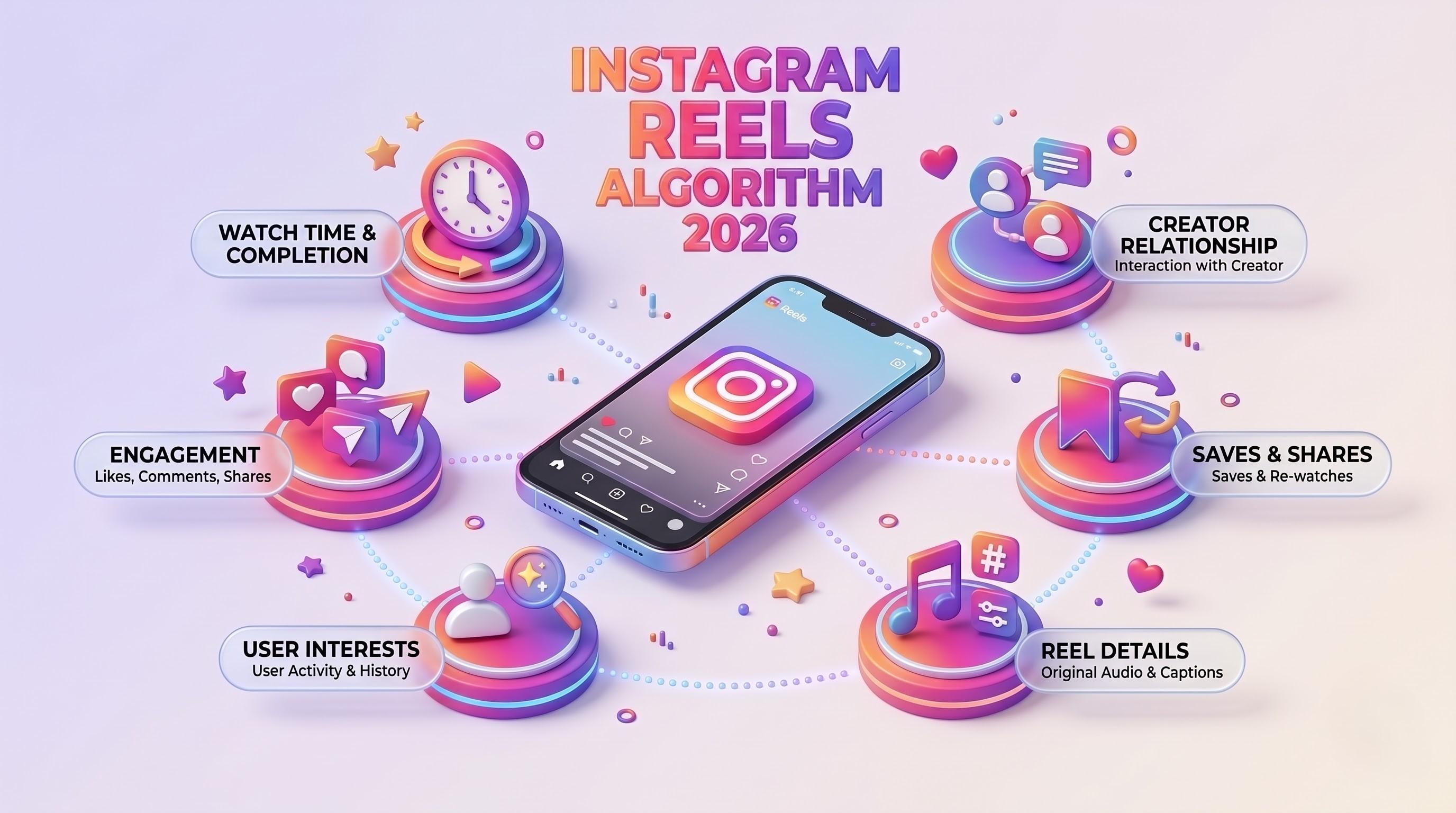
Instagram Reels Algorithm 2026: A Simple Guide for Tech-Savvy Teams
The Instagram Reels algorithm in 2026 ranks videos by watch time, DM sends and likes per reach. This easy guide explains how Reels are tested, what changed recently, and a practical checklist for developers, marketers, CTOs and product teams.