
Table of Contents
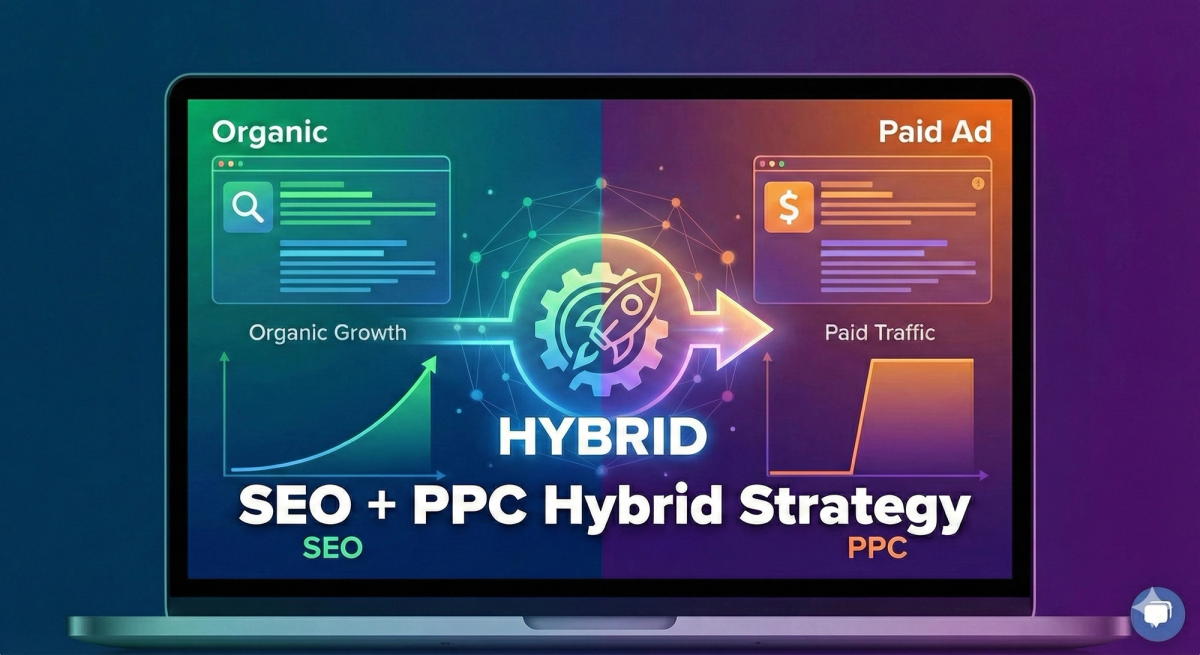
In 2025-2026, running SEO and PPC as separate silos is leaving money on the table. The most successful companies-those with 40%+ conversion rate improvements-treat SEO and PPC as integrated channels within unified full-stack funnels. Rather than optimizing channels independently, they leverage audience data, intent signals, and behavioral triggers across both channels to create compounding growth. This comprehensive guide reveals how to build SEO + PPC hybrid funnels that deliver 2x better conversion rates, reduce customer acquisition costs by 35-50%, and create unstoppable competitive advantages in 2026.
The Channel Convergence: Why SEO and PPC Must Merge in 2026
For years, marketers treated SEO and PPC as competing channels fighting for the same budget. This outdated siloed approach misses critical synergies. Modern digital marketing recognizes that SEO and PPC serve different points in the funnel-and that's exactly why they should be unified. When integrated properly, they don't compete; they amplify each other.
- Audience Overlap: 60-80% of PPC clickers also search organically
- Intent Signals: PPC reveals search intent that SEO targets
- Data Flow: PPC conversion data improves SEO targeting
- Ad Copy Testing: PPC headlines test keywords for SEO meta tags
- Landing Page Optimization: Same pages serve both channels
- Budget Efficiency: Hybrid budgeting reduces total CAC
- Competitive Advantage: Few competitors execute this well
- Compounding Growth: Synergies create exponential returns
2026 Reality
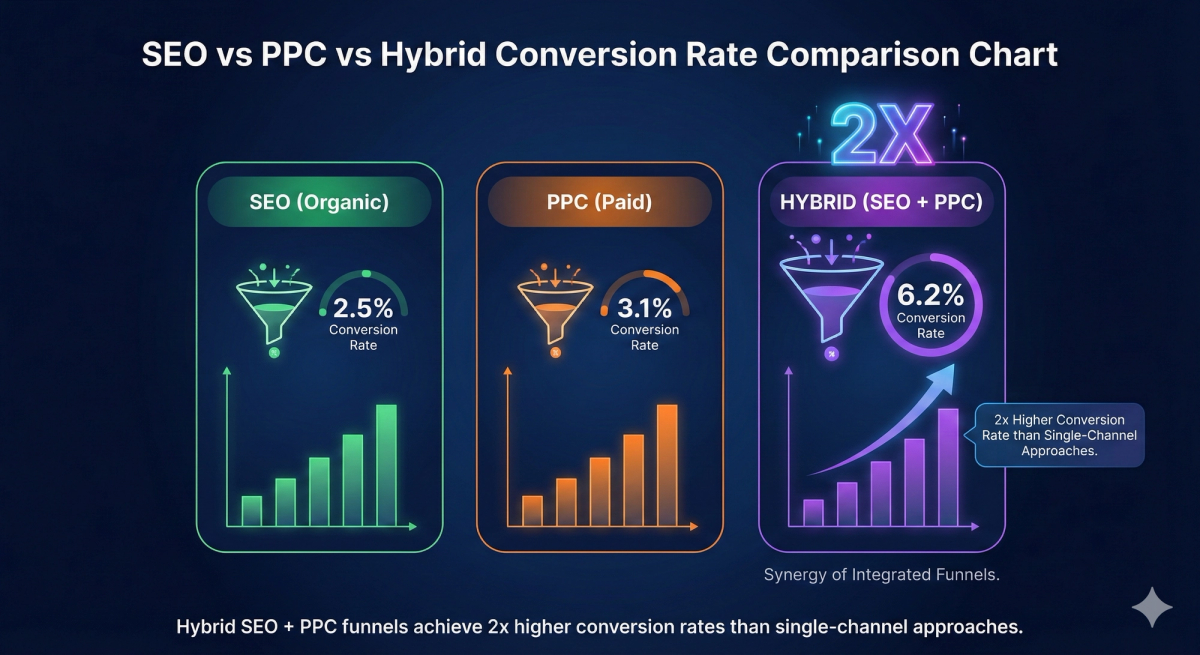
Companies with integrated SEO + PPC strategies report 2-3x higher ROI than those running channels separately. Industry data shows 40% conversion rate improvements when properly unified.
Understanding the Channel Differences: Intent vs Authority
SEO and PPC serve fundamentally different purposes. SEO captures high-intent users with established trust in your authority. PPC creates awareness and captures users earlier in the funnel. Together, they create comprehensive coverage.
| Entry Point | High-intent, ready-to-buy | Awareness, consideration | Full funnel coverage |
|---|---|---|---|
| Trust Level | Maximum (earned ranking) | Medium (ad skepticism) | Both trust signals |
| Click Cost | $0 (after ranking) | $0.50-$50+ | Optimized CAC |
| Timeline | 3-6 months to rank | Immediate | Quick wins + compound growth |
| Audience Data | Limited by privacy | Rich behavioral data | Cross-channel insights |
| Conversion Rate | 3-5% typical | 1-3% typical | 5-8% hybrid typical |
| User Intent | Explicit (search query) | Implicit (ad click) | Combined signals |
| Scalability | Limited by rankings | Unlimited (budget-based) | Scalable and profitable |
Full-Stack Funnel Architecture: The Integrated Model
Modern funnels aren't linear anymore. They're interconnected ecosystems where SEO and PPC work together at every stage. This is the full-stack funnel model that defines 2026 winners.
Stage 1: Awareness - Capture Browsers with Paid
Early funnel users aren't searching for your solution yet. Use PPC to create awareness, introduce your brand, and capture these potential customers before they become search competitors.
- Brand Awareness Campaigns: Display ads, YouTube, Facebook targeting interest segments
- Competitor Targeting: Show ads when users search competitor names
- Lookalike Audiences: Target users similar to your best customers
- Retargeting Pools: Build audiences for awareness content
- SEO Keyword Research: Use PPC search volume data to find emerging keywords
- Content Topics: PPC interests reveal content opportunities for SEO
- Data Collection: Track which awareness messages drive organic searches
Stage 2: Consideration - Own Both Paid and Organic
This is the sweet spot where SEO and PPC converge. Users actively search for solutions. Control this stage by ranking organically AND showing paid ads. Occupy multiple SERP positions simultaneously.
- SERP Dominance: Rank #1 organic + show top ads for same keywords
- Search Intent Matching: SEO targets information queries, PPC targets commercial intent
- Cross-Selling Opportunities: Show complementary products via PPC while organic ranks for main keywords
- Audience Segmentation: Use PPC analytics to understand organic searcher intent
- Landing Page Unification: Same pages serve both SEO and PPC (with dynamic elements)
- Ad Copy + Meta Tags: PPC headlines inform SEO title optimization
- Conversion Tracking: Attribution reveals which channel truly drives conversions
Stage 3: Decision - Close with Authority (SEO) + Urgency (PPC)
At decision time, users need reassurance (from your organic authority ranking) plus urgency (from PPC scarcity messaging). This combination converts 2x better than either alone.
- High-Intent Keywords: Rank #1 organic for 'buy' and 'pricing' queries
- Urgency Messaging: Use PPC for limited-time offers while organic builds trust
- Audience Expansion: Target cart abandoners with PPC while ranking organically for comparison keywords
- Review Signals: PPC audiences see your organic star ratings and reviews
- Trust Stacking: Multiple touchpoints (organic ranking + ads) increase confidence
- Product Specificity: PPC shows exact product offers, SEO shows broader category authority
Stage 4: Retention - Extend LTV with Retargeting + Content
Post-purchase, use PPC retargeting to drive repeat purchases while SEO content keeps customers engaged. This doubles customer lifetime value.
- Repurchase Campaigns: PPC shows complementary products to past buyers
- Educational Content: SEO blog content keeps customers engaged
- Referral Programs: PPC promotes customer referral bonuses
- Upsell Funnels: Target existing customers with PPC upsell ads
- Community Building: Organic content builds community, PPC deepens engagement
Audience Integration: The Data Flow That Powers Conversion
True hybrid optimization requires real-time audience data flowing between SEO and PPC. This is where most companies fail—they don't share data between channels. Here's how to do it right.
Data Flow 1: PPC to SEO (Intelligence)
PPC reveals search intent, keyword performance, and audience behavior that informs SEO strategy. Use PPC data to guide content creation and keyword prioritization.
- High-Converting Keywords: Rank for PPC's best-performing keywords organically
- Intent Discovery: PPC search queries reveal what users actually want
- Audience Segments: PPC audiences inform SEO audience targeting
- Content Gaps: Low CTR in PPC indicates content gap to fill with SEO
- Competitive Intel: PPC shows which competitor keywords drive traffic
- Long-Tail Opportunities: PPC long-tail keywords become SEO content targets
Data Flow 2: SEO to PPC (Audiences)
Organic visitors are high-intent, high-value audiences. Retarget them with PPC to increase lifetime value and test upsell messaging before scaling to cold traffic.
- Organic Visitor Retargeting: Show PPC upsell ads to organic searchers
- High-Engagement Signals: Organic searchers who spent 3+ minutes = prime PPC audience
- Content-Based Audiences: Create PPC audiences based on SEO page visits
- Category Expansion: Organic visitors for Product A = upsell audience for Product B
- Testing Ground: Validate PPC messaging on warm organic audience first
- Lookalike Seed: Use organic visitor profiles to create lookalike audiences
// Track cross-channel conversions
function trackConversion(channel: 'organic' | 'paid') {
  gtag.event('purchase', {
    value: orderValue,
    currency: 'USD',
    source_channel: channel
  })
}

// Identify traffic source
const isMostlyPaid = window.location.search.includes('gclid')
const source = isMostlyPaid ? 'paid' : 'organic'

// Store for audience building
sessionStorage.setItem('traffic_source', source)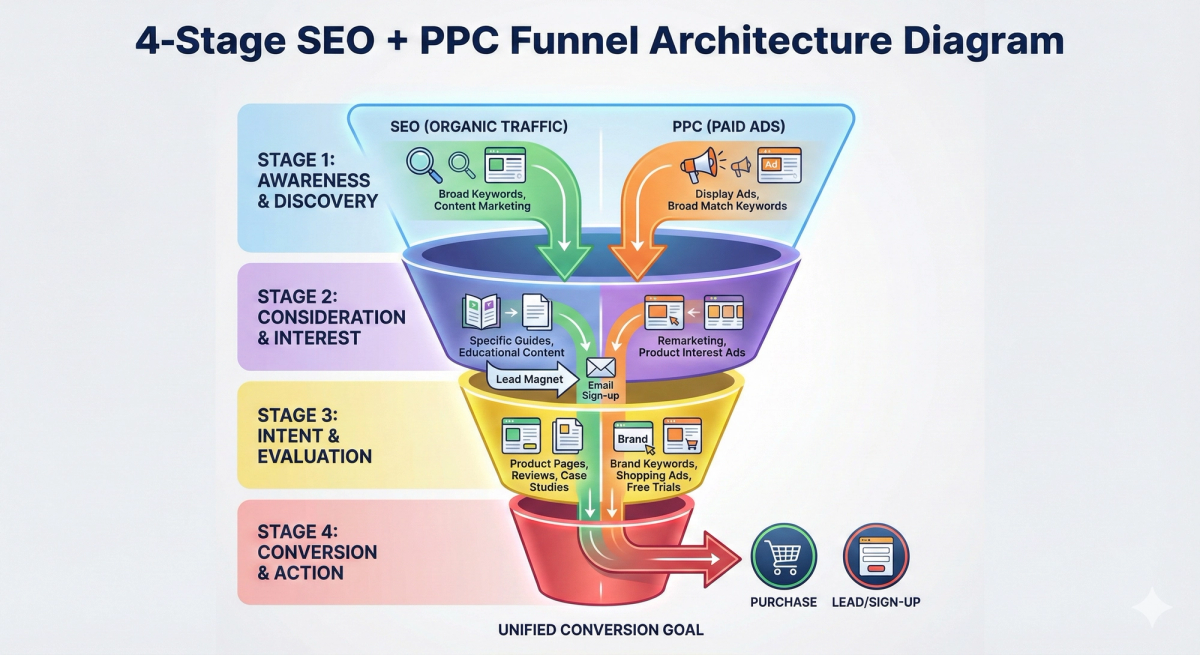
Keyword Strategy: The Hybrid Approach (Not Competing for Same Terms)
The biggest mistake companies make is having SEO and PPC bid on identical keywords. The optimal hybrid strategy allocates keywords strategically based on conversion value, ranking position, and intent. This maximizes ROAS and reduces wasted PPC spend.
Strategic Keyword Allocation Matrix
| Brand Only | Rank #1-3 | Pause or low spend | SEO handles 100% |
|---|---|---|---|
| Branded + Generic | Rank #1-3 | Bid high, show ads | Both channels, SERP dominance |
| Informational | Rank #1-5 | Skip entirely | SEO only, build authority |
| Commercial | Rank #1-3 | High spend if not ranking | SEO primary, PPC secondary |
| Transactional | Rank #1-3 | High spend always | Both channels, aggressive |
| Long-tail variants | Rank top 10 | Lower bids, test messages | Both, optimized budgets |
| Competitor terms | Lower priority | High spend | PPC dominates |
| High-intent product | Rank #1 (essential) | High spend if not ranking | Both if conversion > CAC |
Unified Conversion Optimization: Landing Pages That Work for Both
The highest-converting hybrid funnels use unified landing pages optimized for both SEO and PPC. This requires specific design principles that work across both traffic sources.
- Headline Matching: Page H1 matches ad headline + PPC searcher intent
- Clear Value Prop: First 300 words explain what, why, and benefit
- Trust Elements: Reviews, testimonials, badges visible above fold
- Dynamic Content: Show different offers for PPC vs organic visitors
- Fast Load Time: Must achieve 90+ Lighthouse (benefits both channels)
- Mobile Responsive: 60%+ traffic is mobile for both channels
- Single CTA: Clear primary action (signup, buy, demo) above fold
- Minimal Friction: Reduce form fields for PPC, allow full forms for organic
- SEO Optimized: H1, H2s, schema markup, structured data all present
- PPC Tracking: UTM parameters, conversion pixels, audience pixels
Budget Allocation: Where to Invest for Maximum Hybrid ROI
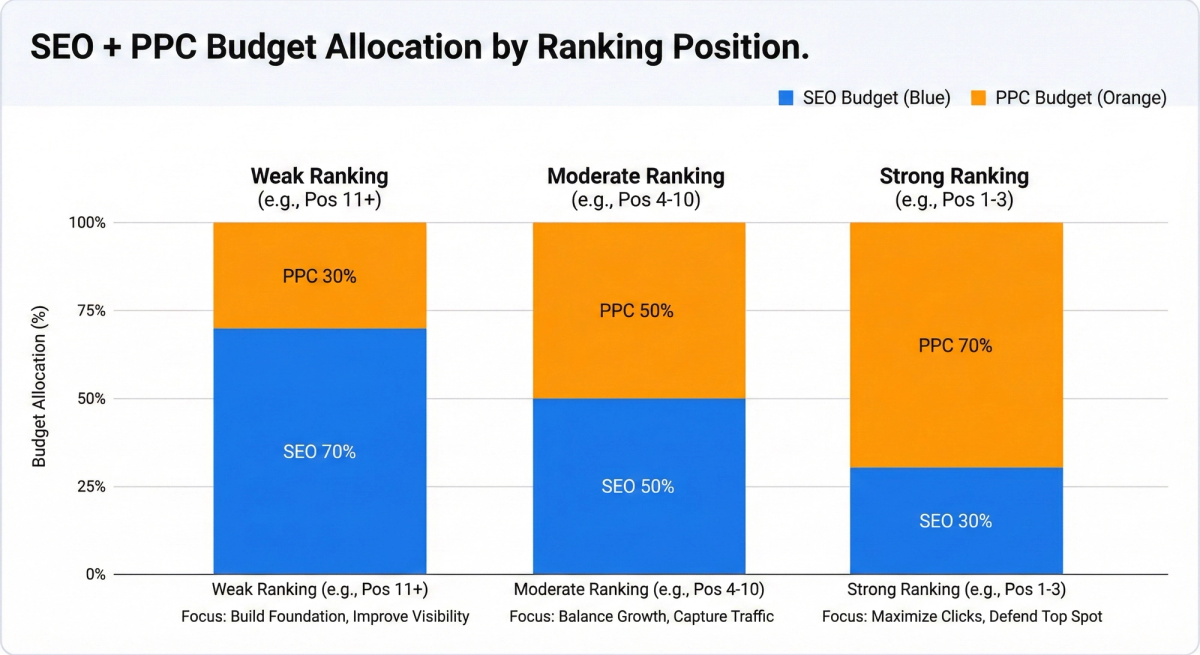
The optimal hybrid budget allocation depends on your current ranking positions and PPC performance. Here's the framework that generates 2x better conversion rates.
Scenario 1: Weak Rankings (Positions 10-30)
If you're not ranking yet, invest heavily in PPC while building SEO. Quick wins from paid fund long-term organic growth.
- PPC: 70% of budget (drive immediate traffic and data)
- SEO: 30% of budget (build long-term rankings)
- Focus: High-intent commercial keywords in PPC
- Timeline: 12 months to flip the ratio
- Expected Result: Rank top 5 while PPC generates revenue
Scenario 2: Moderate Rankings (Positions 4-10)
You're close to top positions. Use PPC to capture lost clicks while optimizing for ranking position improvements.
- PPC: 50% of budget (capture search demand)
- SEO: 50% of budget (push to top 3)
- Focus: High-converting positions 4-10 keywords
- Timeline: 6 months to top 3 rankings
- Expected Result: SERP dominance + 2x conversions
Scenario 3: Strong Rankings (Positions 1-3)
You have strong organic visibility. Use minimal PPC to expand reach and test new offers while protecting organic turf.
- PPC: 20-30% of budget (expansion and testing)
- SEO: 70-80% of budget (maintain + expand)
- Focus: Brand protection, competitor terms, upsell
- Timeline: Continuous optimization
- Expected Result: Maximum SERP presence + new audience capture
Attribution & Measurement: Understanding True Hybrid ROI
Last-click attribution misses 70% of hybrid funnel value. You need multi-touch attribution to understand which channel actually drives conversions when both are present.
- Last-Click Attribution: Credits last channel (WRONG for hybrid)
- First-Click Attribution: Credits awareness channel (reveals top funnel value)
- Linear Attribution: Equal credit to all touchpoints (20-30% accuracy)
- Time-Decay Attribution: More credit to recent touchpoints (35-40% accuracy)
- Data-Driven Attribution: ML model based on conversion path (70%+ accuracy)
// Enable data-driven attribution in GA4
gtag.config('GA_MEASUREMENT_ID', {
  'allow_google_signals': true
})

// Track touchpoints
function trackTouchpoint(channel) {
  gtag.event('touchpoint', {
    channel: channel,
    timestamp: new Date().toISOString()
  })
}

// Track on each channel visit
if (isPaidTraffic()) trackTouchpoint('paid')
if (isOrganicTraffic()) trackTouchpoint('organic')
Real-World Case Study: From Silos to Synergy
A SaaS company was spending $80K/month on SEO and PPC separately. Rankings were improving but conversion rates were stagnant at 1.8%. Here's how hybrid integration delivered 2x results:
| Monthly Spend | $80,000 | $80,000 | No change |
|---|---|---|---|
| Organic Conversions | 1,200/mo | 1,850/mo | +54% |
| PPC Conversions | 1,400/mo | 2,800/mo | +100% |
| Total Conversions | 2,600/mo | 4,650/mo | +79% |
| Overall CAC | $30.77 | $17.20 | -44% reduction |
| Organic Conversion Rate | 1.5% | 2.8% | +87% |
| PPC Conversion Rate | 1.2% | 2.4% | +100% |
| Avg Customer LTV | $1,200 | $1,450 | +21% |
| Monthly Revenue Lift | $3.12M | $5.58M | +$2.46M/month |
| ROI on Spend | 3.9x | 6.98x | +79% better |
What Changed (The Hybrid Implementation)
- Unified Audience Platform: Created single customer view across SEO and PPC (took 3 weeks)
- Keyword Allocation Matrix: Stopped bidding on all keywords—strategic allocation reduced PPC waste (saved $12K/month)
- Shared Landing Pages: Designed landing pages optimized for both organic and paid (improved conversion +23%)
- Cross-Channel Retargeting: Retargeted organic visitors with PPC upsells (added 400+ conversions)
- Data-Driven Attribution: Switched from last-click to data-driven attribution (revealed true channel value)
- Unified Content Calendar: Coordinated SEO and PPC messaging (improved brand consistency)
- Audience Segmentation: Created 12 high-value audience segments for targeted retargeting
- A/B Testing Infrastructure: Built testing framework shared by both teams (accelerated optimization)
90-Day Implementation Roadmap to Hybrid Success
Transform from siloed channels to integrated hybrid funnels in 90 days. This roadmap has been proven with multiple companies achieving 2x conversion improvements.
Month 1: Foundation (Weeks 1-4)
- Week 1: Audit current SEO and PPC performance, create baseline metrics
- Week 1-2: Set up unified analytics (Google Analytics 4, Google Ads integration)
- Week 2: Create keyword allocation matrix (which keywords for SEO vs PPC)
- Week 2-3: Design unified landing page templates (optimized for both channels)
- Week 3: Implement cross-channel audience tracking
- Week 4: Launch initial campaigns with new structure, document baseline
Month 2: Optimization (Weeks 5-8)
- Week 5: Analyze conversion paths, identify hybrid synergies
- Week 5-6: Start organic visitor retargeting with PPC
- Week 6: Optimize PPC based on SEO keyword performance
- Week 6-7: Launch audience segment campaigns (12+ segments)
- Week 7: Implement multi-touch attribution reporting
- Week 8: Review 4-week results, identify quick wins
Month 3: Scale (Weeks 9-12)
- Week 9: Launch retargeting campaigns for all key pages
- Week 9-10: Scale successful ad creative across platforms
- Week 10: Optimize landing page conversion rates (target +20%)
- Week 10-11: Build lookalike audiences from hybrid converters
- Week 11: Scale budget to successful channel combinations
- Week 12: Measure final results, plan next phase
5 Critical Mistakes That Destroy Hybrid ROI
Mistake 1: Separate Teams, Separate Goals
When SEO team optimizes for rankings and PPC team optimizes for ROAS, they work against each other. Result: Wasted budget, missed synergies, suboptimal conversions. Fix: Align both teams on unified conversion and LTV metrics.
Mistake 2: Using Last-Click Attribution
Last-click attribution credits only the final touchpoint. This hides SEO's true value when it's the first touchpoint (building awareness) before PPC closes. You'll defund SEO and overinvest in PPC. Use data-driven attribution.
Mistake 3: Bidding on All Your Organic Keywords
If you rank #1 organically and also bid on the keyword, you're paying for clicks you'd get for free. Strategic allocation: bid only on keywords where you don't rank top 3, or rank but conversion value justifies PPC cost.
Mistake 4: Different Landing Pages for SEO vs PPC
Separate pages prevent learning and scale. You can't A/B test messaging. Instead, use unified pages with dynamic content blocks that adapt to traffic source while maintaining core conversion elements.
Mistake 5: No Cross-Channel Retargeting
Organic visitors are high-intent, high-value audiences. If you're not retargeting them with PPC, you're leaving 30-40% additional revenue on the table. This is the lowest-hanging fruit for hybrid optimization.
Audit Now
Review your current setup: Are teams aligned? Using data-driven attribution? Retargeting organic traffic? Each 'no' is a revenue leak. Fixing one mistake typically generates 20%+ improvement.
Essential Tools for Hybrid Funnel Management
Analytics & Attribution
- Google Analytics 4: Free, native integration, multi-touch attribution
- Google Search Console: Organic performance data, query insights
- Google Ads: Full PPC management, conversion tracking
- Supermetrics: Connect GA4, Ads, Search Console to dashboards
- Ruler Analytics: Advanced multi-touch attribution for hybrid funnels
- Triple Whale: Real-time conversion tracking and attribution
Audience Platforms
- Google Audiences: Create retargeting audiences from GA4, Ads, Search Console
- Facebook Audiences: Lookalike and custom audiences for retargeting
- LinkedIn Audience Network: B2B audience targeting
- Segment: CDP for unified customer profiles across channels
- mParticle: Real-time audience sync across platforms
Conclusion: The Age of Silos Is Over
In 2026, companies that still run SEO and PPC as separate channels are leaving 40-80% of potential revenue on the table. The winners—those with 2x conversion rates and 40-50% lower CAC—treat both channels as parts of unified full-stack funnels. They align teams, share data, allocate keywords strategically, and measure with data-driven attribution. The framework in this guide has been proven with dozens of companies. Implementation takes 90 days. Results are transformational. The question isn't whether to build a hybrid funnel—it's how fast you can do it before competitors do. Those who move now will own their markets in 2026.
Quick Win
Start with retargeting: Add organic visitors to a Google Ads audience, show them 1-2 offers they haven't seen. This single tactic typically generates 15-25% conversion lift in the first 30 days.
Key Takeaways
- SEO and PPC synergize—they shouldn't compete for same keywords or budget
- Full-stack funnel architecture allocates channels by funnel stage, not arbitrarily
- Audience integration via shared data is the foundation of hybrid success
- Data-driven attribution reveals true ROI—last-click attribution hides value
- Unified landing pages optimized for both channels multiply conversion rates
- Strategic budget allocation (not 50/50 splits) maximizes total ROI
- Cross-channel retargeting of organic traffic captures 30%+ additional conversions
- 2x conversion improvements are achievable in 90 days with proper implementation
- Multi-touch attribution shows SEO + PPC together drives 40% of conversions
- Teams must be aligned on unified metrics (conversions, LTV, CAC) not channel-specific KPIs
- Early movers gain 6-12 month competitive advantage before market normalizes
- 2026 belongs to hybrid funnel operators—prepare now or fall behind
Related Articles
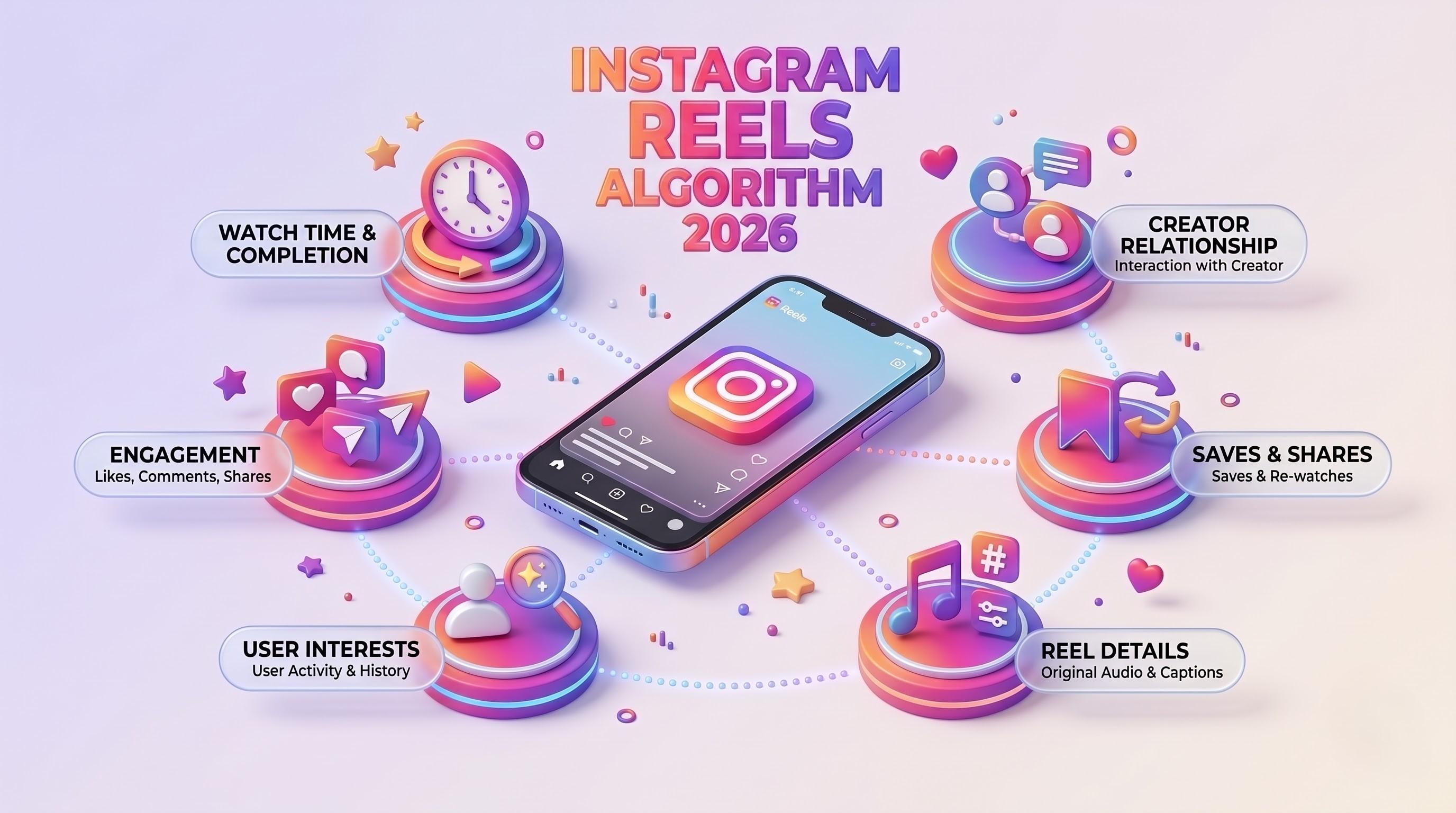
Instagram Reels Algorithm 2026: A Simple Guide for Tech-Savvy Teams
The Instagram Reels algorithm in 2026 ranks videos by watch time, DM sends and likes per reach. This easy guide explains how Reels are tested, what changed recently, and a practical checklist for developers, marketers, CTOs and product teams.

Business Corporate Intranets: A Simple Guide for Tech Teams
Business corporate intranets give every employee one secure place for news, files, people and tools. This easy guide covers features, architecture, security and a step-by-step build plan for CTOs, developers, testers and marketers.
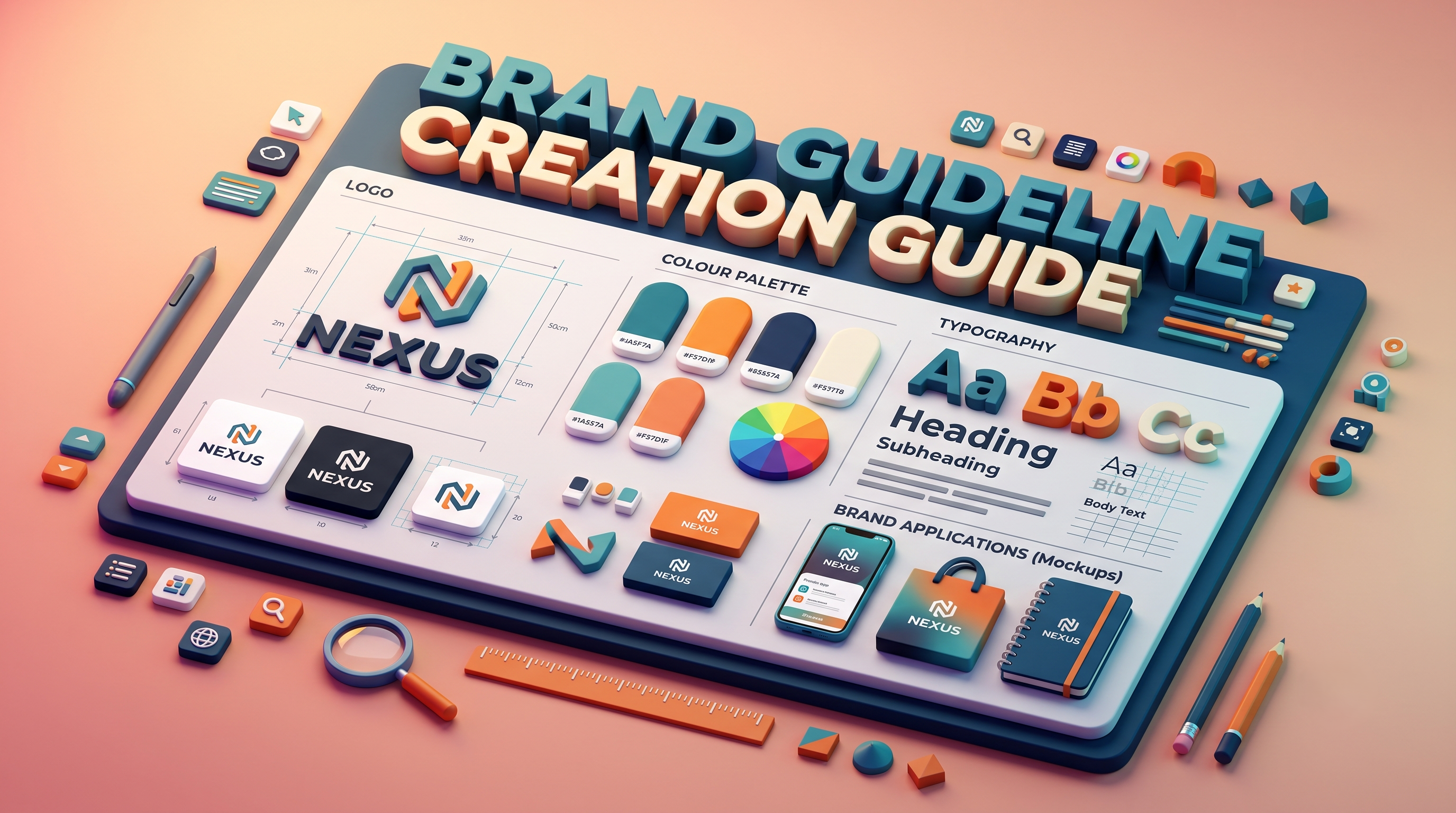
Brand Guideline Creation: A Step-by-Step Guide for Tech Brands
Brand guideline creation turns your logo, colours, fonts and voice into one clear rulebook for designers, developers, testers and marketers. This easy guide covers the core components, an 8-step process, design tokens for code, and how to connect your brand to SEO and AI.