
Table of Contents
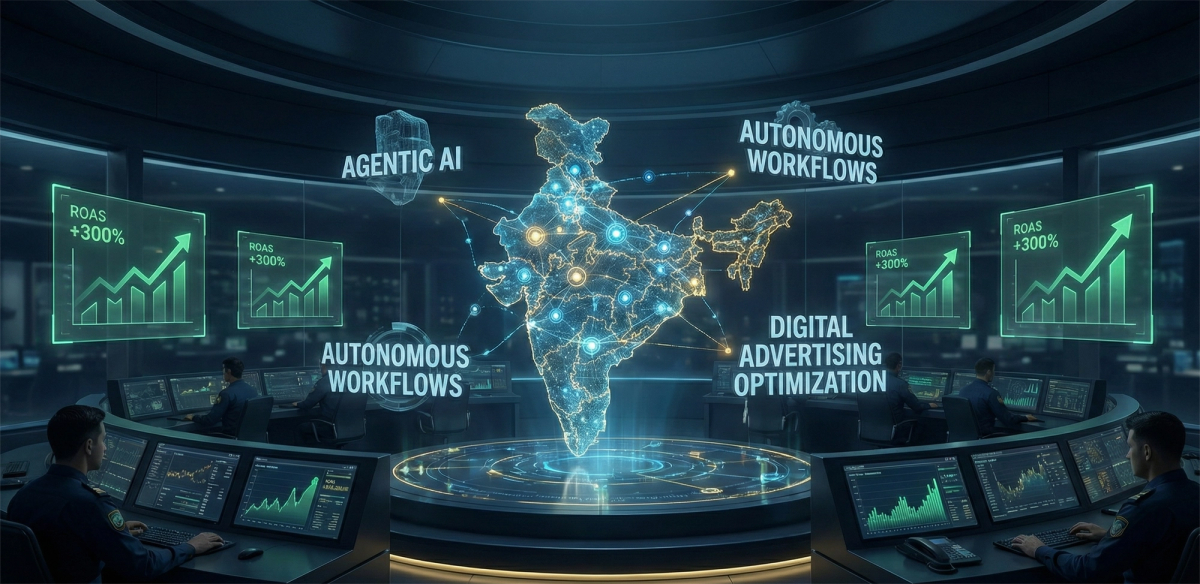
In the rapidly shifting digital landscape of 2026, Google Ads ROAS scaling in India has evolved from a simple bidding strategy into a complex orchestration of data and intelligence. As millions of new users from Tier 2 and Tier 3 cities enter the digital economy, the traditional manual approach to managing campaigns is no longer sustainable. To achieve true growth, brands must move beyond basic automation and embrace the era of Agentic AI and Autonomous Workflows. This shift allows for real-time decision-making that accounts for India’s extreme linguistic diversity, seasonal surges, and varied purchasing power. Scaling your Return on Ad Spend (ROAS) now requires a balance of localized creative empathy and cutting-edge technical precision. This guide will walk you through the advanced strategies needed to dominate the Indian market, ensuring your advertising spend translates into consistent, long-term revenue growth.
1. The Paradigm Shift: From Automation to Agentic AI
Traditional automation followed "If-This-Then-That" logic. In 2026, Agentic AI has changed the game. These "Agents" are self-aware systems that pursue a goal rather than just following a script. An Agent can analyze external factors-like a sudden heatwave in Delhi or a viral trend on social media and proactively adjust your Google Ads account to capture the surge in demand. To manage this complexity, businesses are turning to expert Google Ads Services to architect these high-level AI goals.
2. Building the Foundation: Data Integrity and Tracking
You cannot scale what you cannot measure. In the Indian context, where users switch between mobile data and office Wi-Fi, tracking the customer journey is difficult. To achieve a high ROAS, you must implement Enhanced Conversions. Often, businesses struggle because their technical infrastructure is outdated. This is where professional Web Development becomes vital. A fast, well-coded site provides the clean data layer that Google’s bidding algorithms crave to find your ideal customer.
3. Hyper-Local Targeting and Pincode Optimization
India's diversity means a product selling well in Mumbai might fail in Chennai. Autonomous workflows now allow for Pincode-level optimization. AI agents can analyze the "Cost to Acquire" at a granular level. If shipping costs to a remote part of India are eating into your margins, the autonomous workflow can instantly set a negative bid adjustment for those specific locations, protecting your overall ROAS.

4. The "Vocal for Local" Creative Strategy
Scaling in India requires moving beyond English ads. To truly penetrate Tier 2 and Tier 3 cities, your creative assets must be localized. Agentic AI can now assist in Creative Testing at Scale, swapping headlines and images to see which combination resonates most with a user in Ahmedabad versus a user in Bangalore. Utilizing a specialized Social Media Marketing approach helps in generating the lifestyle imagery and video content that feels authentic to these local audiences.
5. Synergizing Content and Paid Intent
A common mistake in scaling Google Ads is ignoring the landing page experience. If you are bidding on high-intent keywords, the content the user lands on must be impeccable. High-quality Content Marketing provides the educational blogs and trust-building testimonials that convert a "click" into a "customer." When your paid ads are backed by a robust content strategy, your conversion rate increases, naturally inflating your ROAS.

6. Performance Max and Autonomous Signals
Performance Max (PMax) is the core of autonomous scaling. In India, PMax has shown incredible results for e-commerce, but it is a "black box" unless you feed it the right Audience Signals. Instead of just targeting broad interests, an Agentic approach involves uploading your CRM data. By integrating organic search insights derived from high-quality SEO Services, you can identify which queries are driving the best margins and push that data into your PMax campaigns.
7. Seasonal Agility: The Festive Factor
In India, consumer behavior isn't a steady line; it’s a series of massive peaks like Diwali. Autonomous workflows can be set to "Seasonality Adjustments." These tell the Google AI to expect a higher conversion rate during specific dates, allowing the algorithm to be more aggressive with bids. This proactive approach is a hallmark of elite PPC Management Services, ensuring you capture early-bird traffic at a lower cost.

8. Breaking the "Budget Ceiling" with tROAS
Most advertisers hit a wall where increasing budget leads to a drop in ROAS. Moving to target ROAS (tROAS) bidding, powered by Agentic AI, allows you to tell Google: "Spend as much as possible, as long as you maintain a 500% return." The system then hunts for the "marginal conversion"-the next most likely person to buy-across the entire Google ecosystem.
9. Inventory-Led Automation for E-commerce
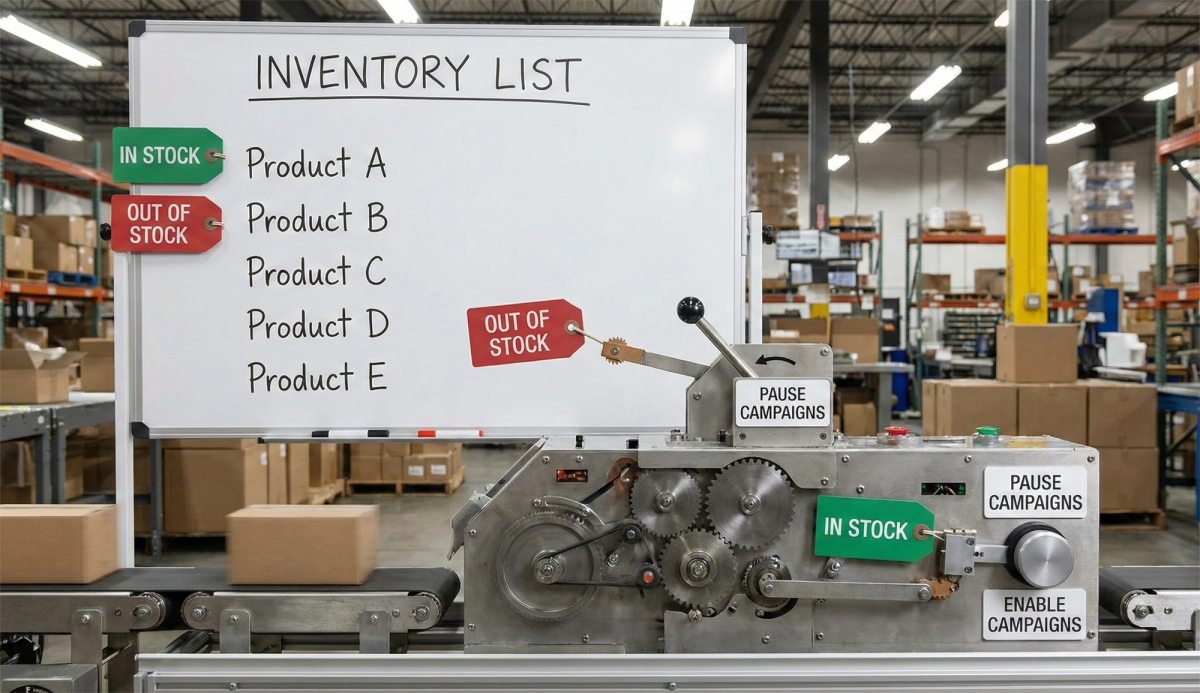
One of the biggest ROAS killers in India is spending money on ads for products that are out of stock. Autonomous workflows can be programmed to sync your Google Merchant Center with real-time inventory. If a product is low in a specific warehouse, the AI agent can automatically throttle the ad spend for that region, ensuring no money is wasted on "Dead Clicks."
10. The Future: Multi-Agent Systems
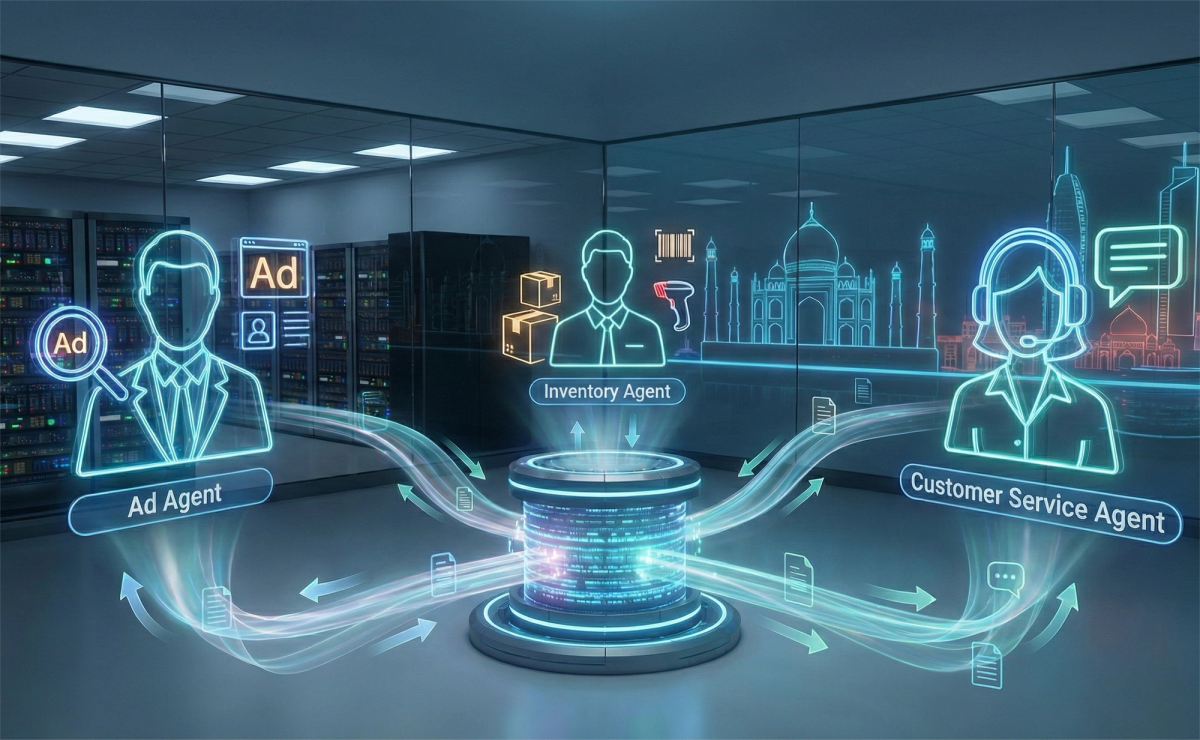
As we look toward the future, Multi-Agent Systems will become the standard. Imagine one AI agent managing your ads, another managing inventory, and a third managing customer service. These agents will communicate to optimize the entire business lifecycle, pausing ads if shipping delays occur or scaling them if a competitor goes out of stock.
FAQ Section
Q1: What is a good ROAS for the Indian market?
Typically, a 4:1 to 6:1 ROAS is considered healthy, though high-margin sectors can see 10:1+ using autonomous workflows.
Q2: How does Agentic AI help with "Broad Match"?
It analyzes millions of signals to ensure broad match keywords only trigger for users with high purchase intent, preventing budget waste.
Q3: Can small businesses use these autonomous tools?
Yes, as long as you have enough conversion data (typically 30-50 per month) for the AI to learn effectively.
Conclusion
Scaling Google Ads ROAS in India is a journey that combines cultural empathy with the power of Agentic AI. By moving away from manual micro-management and adopting autonomous workflows, brands can finally unlock the true potential of the diverse Indian market. Success in 2026 belongs to those who build a foundation of clean data, fast web infrastructure, and intelligent, self-optimizing systems. Cinute Infomedia is your dedicated partner in navigating this technological evolution to ensure your brand achieves strong results.
Would you like me to help you set up a custom 30-day "Scale-Up" roadmap for your current Google Ads account?
Related Articles
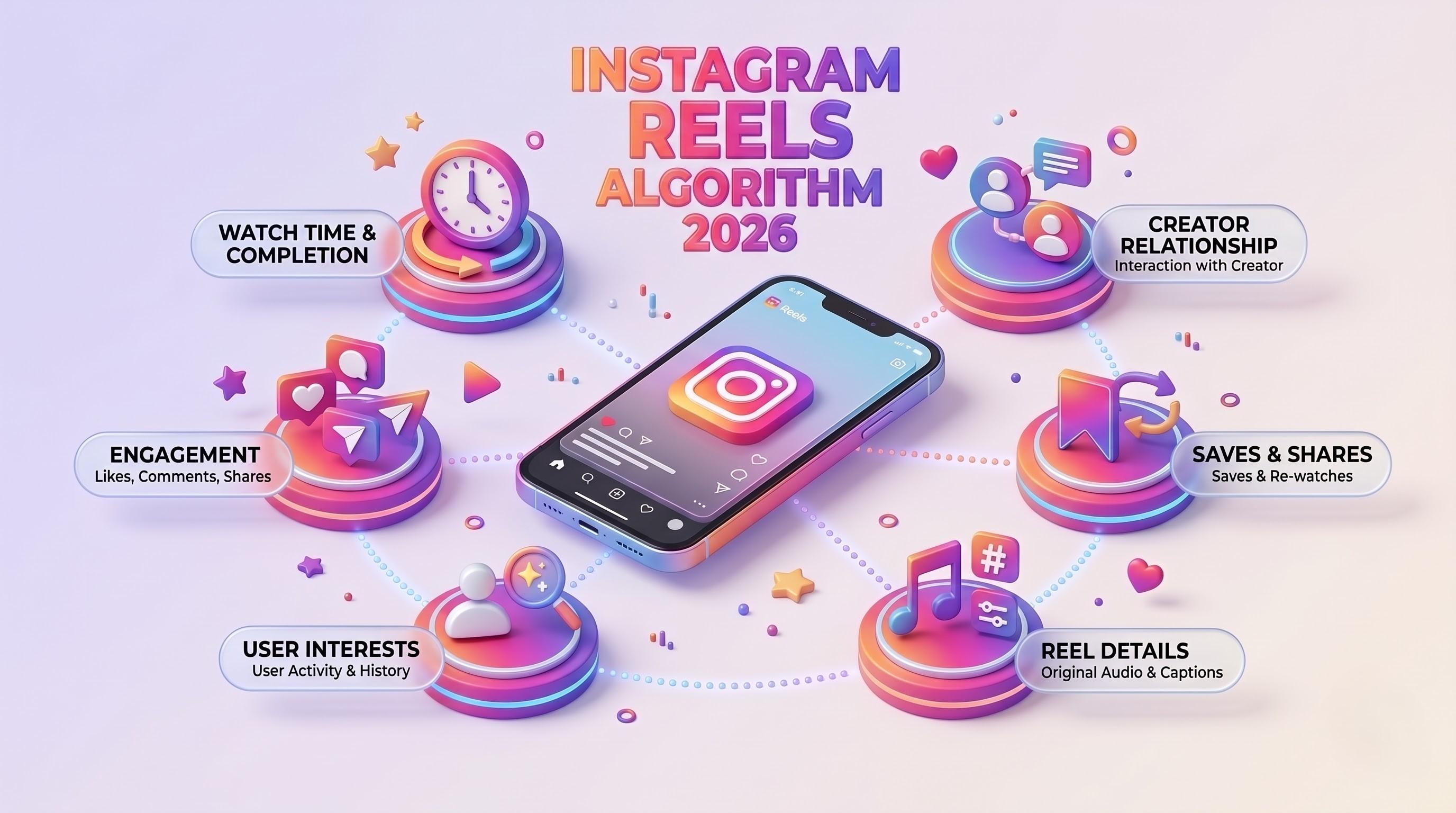
Instagram Reels Algorithm 2026: A Simple Guide for Tech-Savvy Teams
The Instagram Reels algorithm in 2026 ranks videos by watch time, DM sends and likes per reach. This easy guide explains how Reels are tested, what changed recently, and a practical checklist for developers, marketers, CTOs and product teams.
Business Corporate Intranets: A Simple Guide for Tech Teams
Business corporate intranets give every employee one secure place for news, files, people and tools. This easy guide covers features, architecture, security and a step-by-step build plan for CTOs, developers, testers and marketers.
Brand Guideline Creation: A Step-by-Step Guide for Tech Brands
Brand guideline creation turns your logo, colours, fonts and voice into one clear rulebook for designers, developers, testers and marketers. This easy guide covers the core components, an 8-step process, design tokens for code, and how to connect your brand to SEO and AI.