
Table of Contents
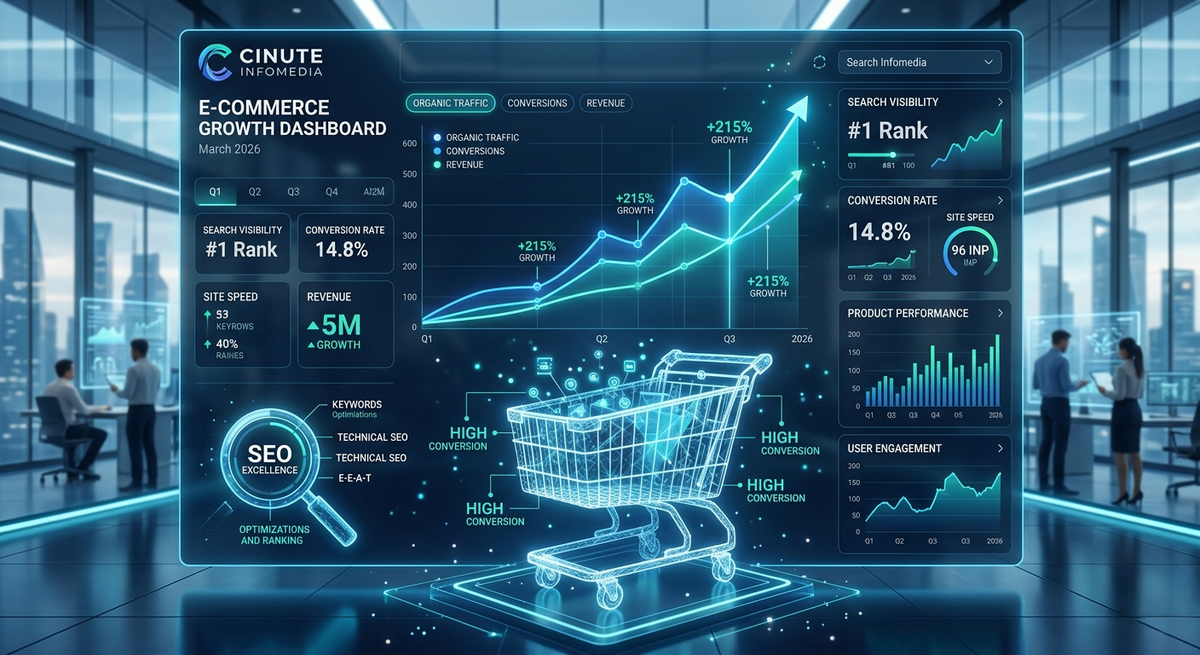
In the hyper-competitive world of online retail, visibility is only half the battle. You can drive a million visitors to your store, but if they don't convert, your SEO efforts are merely a "vanity metric." In 2026, the intersection of Search Engine Optimization and Conversion Rate Optimization (CRO) is where the most successful brands reside.
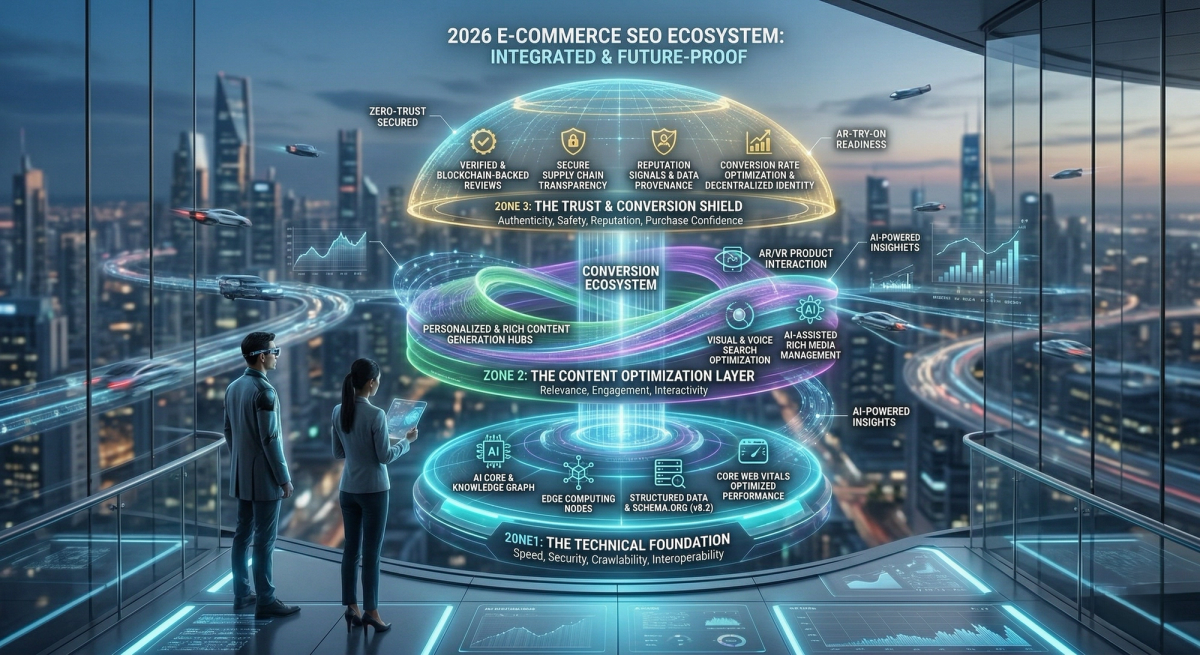
To truly dominate, you must move beyond the basics of meta tags and backlinking. You need a holistic strategy that addresses technical excellence, semantic depth, and the psychological triggers that turn a searcher into a loyal customer.
1. The Foundation: Why Conversion-Centric SEO Matters
Traditional SEO focuses on volume. Conversion-Centric SEO focuses on value. By aligning your content with the specific intent of the user, you reduce friction in the buying journey. When a site is easy to find, fast to load, and provides the exact information a buyer needs, conversion becomes a natural byproduct of the user experience.
The evolution of search algorithms-specifically Google’s focus on "Helpful Content" and E-E-A-T (Experience, Expertise, Authoritativeness, and Trustworthiness)-means that search engines are now actively rewarding sites that prioritize the user’s end goal: making an informed purchase.
2. Technical SEO: Building the Infrastructure of Trust
Before a user ever reads your product descriptions, they interact with your site’s infrastructure. If that infrastructure is shaky, trust is lost instantly.
Core Web Vitals and Interaction to Next Paint (INP)
With the 2024–2026 updates, Google has shifted focus toward INP. This metric measures how quickly your site responds to user inputs (like clicking an "Add to Cart" button). For an e-commerce site, a high INP score is a conversion killer.
- Optimization Tip: Minimize main-thread work by auditing heavy third-party scripts and utilizing modern CSS over heavy JavaScript where possible.
The Mobile-First Paradigm
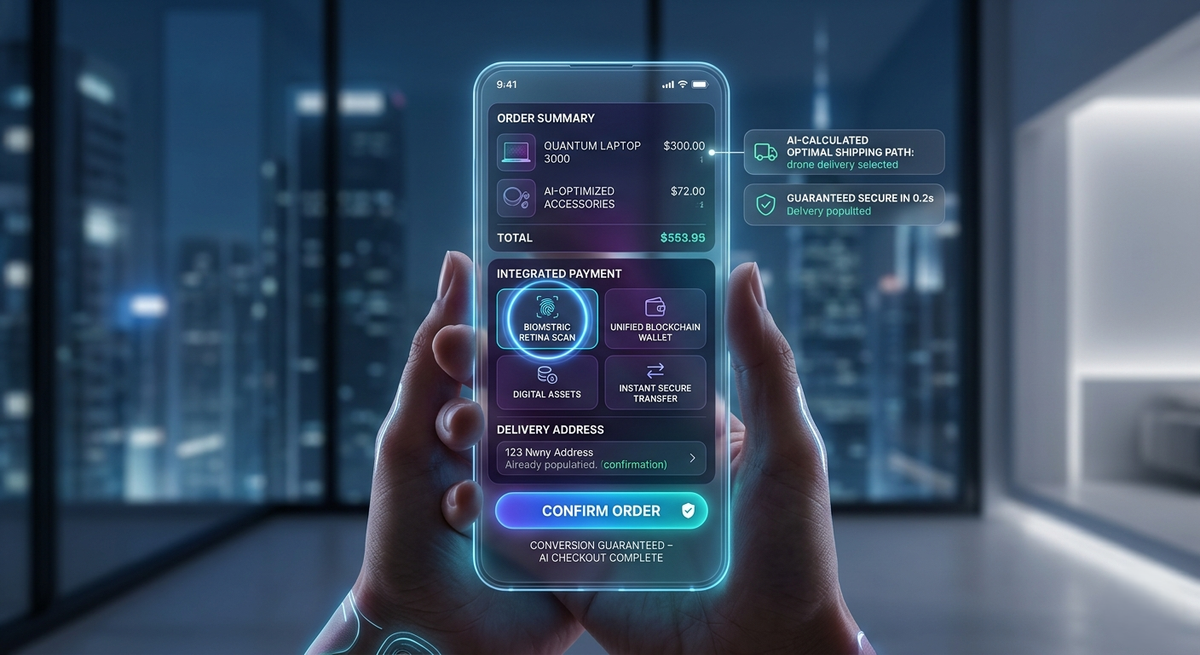
Mobile commerce (m-commerce) now accounts for the vast majority of retail traffic. Your site must not just be "responsive"-it must be "mobile optimized." This includes thumb-friendly navigation, legible font sizes without zooming, and a streamlined checkout process that supports one tap payments.
3. Semantic Keyword Research: Mapping the Buyer’s Journey
Keywords are no longer just strings of text; they are "Entities" with context. To capture high-converting traffic, you must map your keywords to the different stages of the funnel.
The Four Stages of Intent:
- Informational: Users looking for solutions (e.g., "how to improve office ergonomics").
- Navigational: Users looking for a specific brand (e.g., " Cinute Infomedia SEO services").
- Commercial Investigation: Users comparing options (e.g., "best ergonomic chairs for back pain 2026").
- Transactional: Users ready to buy (e.g., "buy Herman Miller Aeron chair online").
By creating content for each stage, you build a "Topic Cluster" that proves your authority to search engines. For instance, a well-structured SEO strategy should include a mix of these intents to capture users early and guide them to a sale.
4. Product Page Excellence: The Digital Salesperson
The product page is your "Closer." It is where the transaction happens. Optimization here requires a blend of technical SEO and persuasive copywriting.
The Anatomy of a High-Converting Product Page:
- Descriptive H1 Tags: Use specific naming conventions (e.g., Brand + Model + Material + Color).
- The "Problem-Solution" Framework: Instead of listing features, highlight benefits. If you are selling a software tool, explain how it saves time or increases ROI.
- Psychological Triggers: Use scarcity (limited stock) and urgency (shipping deadlines) to nudge the user toward the "Buy" button.
- FAQ Schema: Incorporating structured data for FAQs directly on the product page can help you win "Featured Snippets" and answer buyer objections before they even land on your site.

5. Harnessing the Power of Brand Identity
SEO does not exist in a vacuum. A strong brand identity is one of the most powerful SEO signals. When users search for your brand specifically, Google views your site as an authority in your niche.
Your brand story should be woven into your category descriptions and "About Us" pages. This builds the "Experience" and "Trust" components of E-E-A-T. Consistent branding across your site helps reduce bounce rates, as users feel a sense of familiarity and professionalism. To stay ahead of the curve, keep an eye on the latest logo design trends to ensure your visual identity reflects a modern, trustworthy business.
6. Strategic Interlinking: The Internal "Web"
Internal linking is often the most undervalued tool in an SEO’s arsenal. It distributes "Link Juice" (authority) and helps users navigate deeper into your funnel.
The 8 Essential Interlinks for Your Strategy:
- From Blog to Category: Link your informational guides to your main service or product categories.
- From Category to Top-Tier Products: Direct authority toward your highest-converting items.
- Cross-Sells: Link related products (e.g., "Customers who bought this also liked...").
- From Home to New Arrivals: Signal "freshness" to search bots.
- Service Integration: Link your blog posts to relevant service pages, such as digital marketing, to show how you execute the strategies you discuss.
- Trust Pages: Link to your "Shipping & Returns" or "Privacy Policy" from the footer of every page.
- Expert Bios: Link authors of blog posts to their professional profiles to boost E-E-A-T.
- The "Contact" Hub: Every high-converting page should have a clear path to your contact page for custom inquiries.
7. Visual Search and Advanced Image SEO
We are entering an era of "Visual-First" search. With tools like Google Lens, your product images are now searchable entities.
Image Optimization Checklist:
- Dimensions: Always use high-resolution images (like 1980x1080) but compress them using WebP or AVIF formats.
- Alt-Text: Don't just use keywords. Describe the image accurately for accessibility and search context.
- Image Sitemaps: Ensure your images are included in your XML sitemap so they can be indexed in Google Images.
- Contextual Placement: Place images near relevant text to help search engines understand their meaning.

8. Category Page Strategy: The Hub of Authority
Category pages are your "Store Aisles." They should be designed to rank for broad terms. Most e-commerce sites make the mistake of having "thin" category pages with only product grids.
The Fix: Add 300-500 words of optimized content at the bottom of your category pages. Use this space to explain how to choose a product in this category, what the common features are, and why your brand is the best choice. This provides the "Information Gain" that Google's 2026 algorithm prioritizes.
If you are a service-oriented business, your content marketing strategy should treat category pages as educational hubs that guide the user toward making an informed decision.
9. Leveraging Social Proof and E-E-A-T
In e-commerce, trust is the currency of conversion. Google's Search Quality Rater Guidelines place heavy emphasis on Trustworthiness.
Ways to Build Trust:
- Verified Reviews: Use third-party widgets (like Trustpilot or Yotpo) that show "Verified Buyer" badges.
- UGC (User-Generated Content): Encourage customers to upload photos of their purchases. This provides "Real World" proof that the product is as described.
- Secure Payment Signifiers: Display SSL certificates and recognizable payment icons (Visa, Mastercard, PayPal) near the checkout button.
10. Optimizing for AI Search Overviews (SGE)
Search Generative Experience (SGE) is fundamentally changing how users interact with search results. Instead of a list of links, users get a summarized answer.
To appear in these summaries, your content must be structured in a way that AI can easily parse. This means using:
- Clear Headings (H2, H3): Organized in a logical hierarchy.
- Bullet Points and Tables: For technical specs and comparisons.
- Direct Answers: Start sections with a concise summary sentence that answers a common question.

11. Post-Purchase SEO: The Retention Loop
SEO doesn't stop once the customer hits "Purchase." A high-conversion site focuses on Lifetime Value (LTV).
- Thank You Pages: Optimize these with "You might also like" recommendations.
- Transactional Emails: Ensure your order confirmation emails are branded and include links back to your latest blog posts or loyalty program.
- Review Requests: Automate a follow-up email 7 days after delivery asking for a review this creates fresh, keyword-rich content for your product pages.
If you're looking to showcase your success in these areas, your portfolio or case studies should highlight how post-purchase optimization led to increased repeat customer rates.
12. Conclusion: The Path to E-commerce Dominance
SEO for e-commerce in 2026 is no longer about "tricking" an algorithm. It is about creating a seamless, authoritative, and trustworthy environment where customers feel confident spending their money.
By focusing on technical health, semantic depth, and a strong brand identity, you create a sustainable growth engine. Whether you are optimizing a massive catalog or a boutique service-based store, the principles remain the same: Value the user, and the search engine will value you.
Related Articles
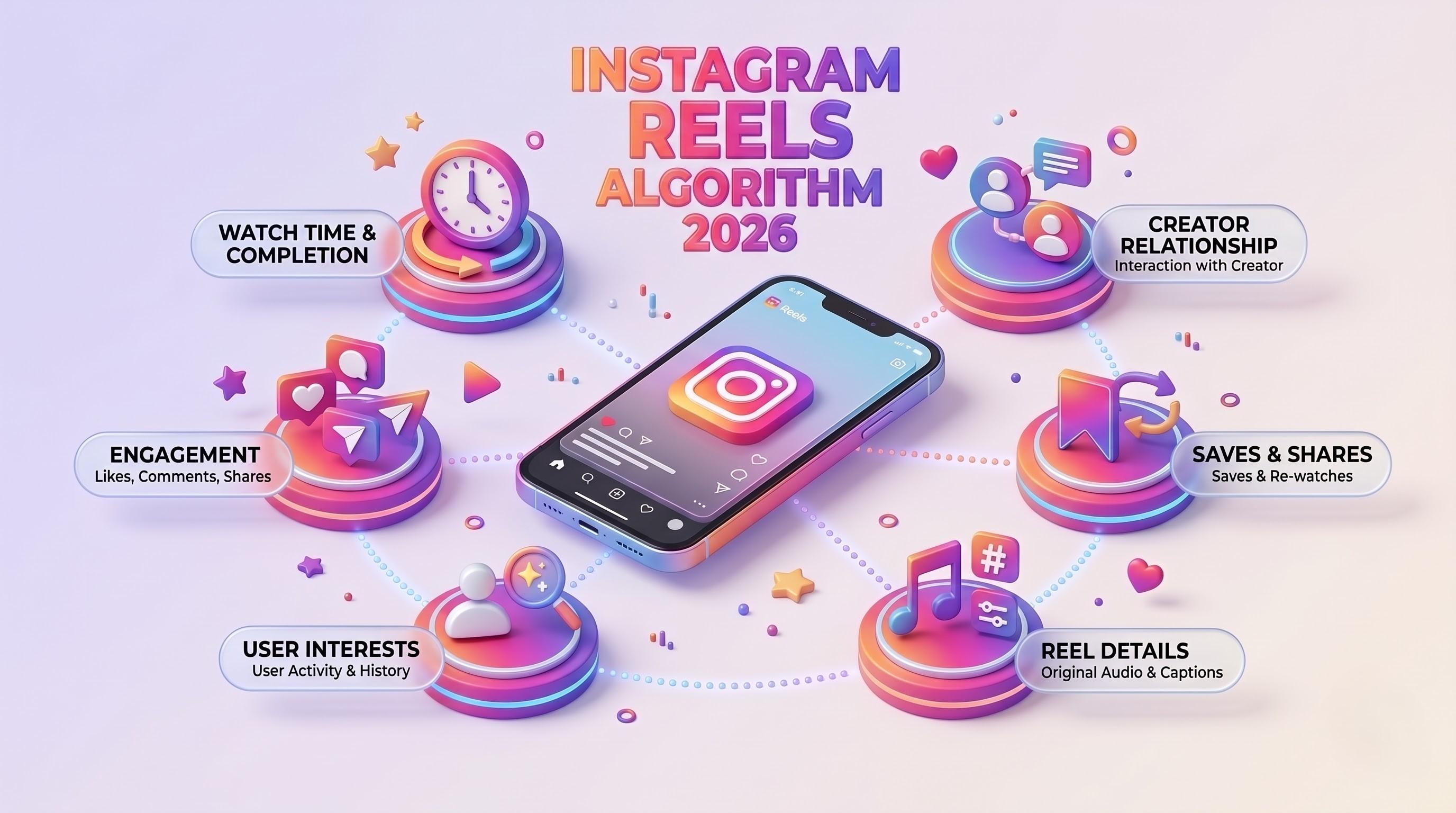
Instagram Reels Algorithm 2026: A Simple Guide for Tech-Savvy Teams
The Instagram Reels algorithm in 2026 ranks videos by watch time, DM sends and likes per reach. This easy guide explains how Reels are tested, what changed recently, and a practical checklist for developers, marketers, CTOs and product teams.

Business Corporate Intranets: A Simple Guide for Tech Teams
Business corporate intranets give every employee one secure place for news, files, people and tools. This easy guide covers features, architecture, security and a step-by-step build plan for CTOs, developers, testers and marketers.
Brand Guideline Creation: A Step-by-Step Guide for Tech Brands
Brand guideline creation turns your logo, colours, fonts and voice into one clear rulebook for designers, developers, testers and marketers. This easy guide covers the core components, an 8-step process, design tokens for code, and how to connect your brand to SEO and AI.