

Table of Contents
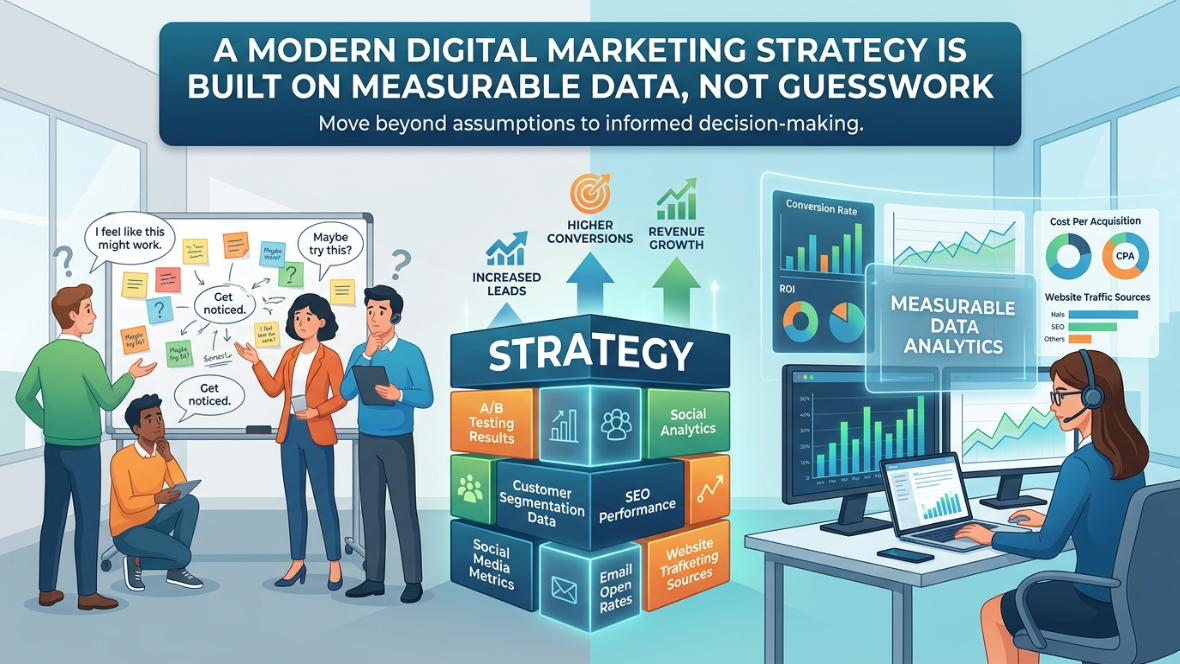
If your business is competing for attention online, one fact sets the stage for everything else: in 2026, total global advertising spend is expected to cross $1 trillion for the first time, with digital channels accounting for roughly 68.7% of that investment, according to Statista and industry forecasts. Money is flowing online at an unprecedented rate and the brands that understand digital marketing are the ones capturing it.
But spending more is not the same as earning more. The real question every business owner should ask is simple: what return am I getting for each dollar I invest? This guide explains what digital marketing actually is, walks through the channels that matter, and most importantly shows you the real-world return on investment (ROI) behind each one, using verified 2025–2026 data.
What Is Digital Marketing?
Digital marketing is the practice of promoting products, services, and brands through online channels to reach, engage, and convert your target audience. It covers everything from search engine optimization (SEO) and pay-per-click advertising to email campaigns, social media marketing, content creation, and AI-powered automation.
Unlike traditional advertising, digital marketing is measurable at every step. You can track impressions, clicks, conversion rates, customer acquisition cost, and revenue impact in real time. That measurability is exactly why it has become the backbone of modern business growth: it lets you see what works, cut what doesn't, and reinvest in the channels driving the strongest results.
In simple terms, digital marketing is how businesses stay visible, generate leads, and grow in a world where consumers form an opinion about a website in as little as 0.05 seconds and where mobile devices now account for over 60% of global web traffic.
Why Digital Marketing Matters More Than Ever in 2026
The shift toward digital is not a trend it is the new default. A few numbers make the scale clear:
- There are around 5.66 billion active social media users worldwide in 2026, roughly 70% of the global population.
- Global digital ad spend is projected to reach approximately $836 billion in 2026, making up nearly 69% of all advertising worldwide.
- Around 96% of buyers research online before ever speaking to a salesperson.
- Short-form video and social platforms now drive over 60% of product discovery, while Google still commands the lion's share of high-intent search.
For startups, small businesses, and enterprises alike, the message is the same: your customers are already online, comparing options and forming opinions. The brands that show up with a fast website, relevant content, and a clear offer win the click, the lead, and the sale.

The Core Channels of Digital Marketing
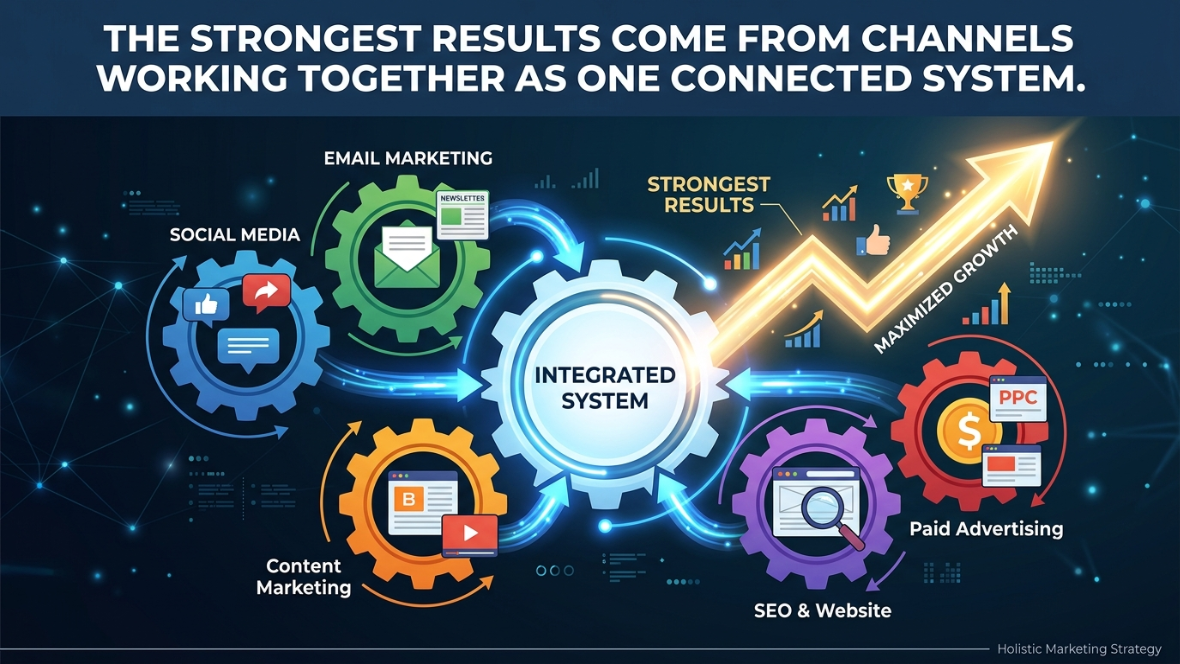
A high-performing strategy rarely relies on a single tactic. Instead, it blends several channels that reinforce one another. Here are the pillars that matter most.
1. Search Engine Optimization (SEO)
SEO is the process of improving your website so it ranks higher in organic (unpaid) search results. It is widely considered the most cost-effective long-term growth channel: roughly 49% of businesses say organic search delivers the best ROI of any channel they use.
SEO is a slow burner it commonly takes 6 to 12 months to gain significant traction but once strong rankings are achieved, the traffic and revenue can be sustained at a far lower cost than paid ads. A well-executed program combining technical fixes, on-page optimization, and authoritative content is one of the highest-leverage investments a business can make. If you want a foundation built correctly from the start, professional SEO services are the place to begin.
2. Content Marketing
Content marketing blogs, guides, videos, and resources fuels nearly every other channel. The data is compelling: content marketing generates roughly three times more leads than outbound marketing while costing about 62% less. Blog posts also rank among the top five highest-ROI content formats, and small businesses are reportedly 23% more likely than average to see returns from blogging.
Great content earns trust, answers buyer questions, and feeds your SEO engine with the pages that rank. Pairing a content plan with expert SEO content writing ensures every article is built to attract and convert, not just fill space.
3. Pay-Per-Click and Performance Marketing (PPC)
PPC advertising including Google Ads, Microsoft Ads, and paid social lets you buy your way to the top of search and feed results instantly. It is the fastest way to drive qualified traffic while your organic presence matures.
On average, effective PPC returns around $2 for every $1 spent - a 200% ROI. Google's own economic modeling assumes each $1 invested in its ads produces roughly $2 in business revenue. Returns vary widely by industry and execution: poorly managed campaigns waste budget on clicks that never convert, while disciplined performance marketing with tight targeting and continuous optimization can far exceed the average.
4. Email Marketing
Email is the quiet champion of digital marketing ROI. Across the industry, businesses earn an average of $36 for every $1 spent on email a return of roughly 3,600%. With more than 4.5 billion email users worldwide and around 376 billion emails sent every day, the reach is enormous, and the cost per message is minimal. Automated and personalized emails consistently outperform generic blasts, making this one of the most profitable channels available.
5. Social Media Marketing
Social platforms are where discovery, engagement, and increasingly purchasing happen. Over 77% of consumers say they are more likely to buy from brands they follow, and more than 40% of users discover new products primarily through social feeds. Video content on social media delivers significantly higher engagement than static images. A consistent presence across the right platforms built through expert social media marketing turns passive scrollers into a loyal community and, eventually, customers.
6. AI Automation and Chatbots
The newest pillar is artificial intelligence. Around 94% of marketers plan to use AI in their content and workflow processes, and businesses are using automation to eliminate repetitive tasks, qualify leads instantly, and provide 24/7 support. Implementing AI workflows and automation can save hundreds of hours per month while reducing operational costs freeing your team to focus on strategy instead of busywork.
Understanding Digital Marketing ROI: The Numbers That Matter
ROI return on investment is the single most important metric in digital marketing. It tells you how much revenue each dollar of marketing spend actually generates. The basic formula is straightforward:
ROI = (Revenue from Marketing − Cost of Marketing) ÷ Cost of Marketing × 100
To put the channels in perspective, here is how average returns compare based on recent industry benchmarks:
| Channel | Average Return per $1 Spent | Approx. ROI | Speed to Results |
|---|---|---|---|
| Email Marketing | ~$36 | ~3,600% | Fast |
| SEO / Organic Search | ~$22 | ~2,200% | Slow (6–12 months) |
| Content Marketing | 3x more leads, 62% lower cost | High | Medium |
| Influencer Marketing | ~$6.50 | ~650% | Medium |
| PPC / Paid Search | ~$2 | ~200% | Immediate |
| Paid Social | ~$2–$3 | ~200–300% | Immediate |
Figures are industry averages drawn from sources including HubSpot, Litmus, Wordstream, and Statista. Actual results depend heavily on industry, audience, offer, and execution quality.
The key takeaway is not that one channel is universally "best." Email and SEO deliver outstanding long-term returns, but they require list-building and patience. PPC delivers lower returns per dollar but produces results immediately. The smartest strategies combine fast and slow channels so you capture revenue today while building sustainable growth for tomorrow.

How to Measure Your Digital Marketing ROI
Knowing the formula is only the start. To measure ROI accurately, track these core metrics:
Conversion rate - The percentage of visitors who take a desired action. The average across e-commerce sites is under 2%, so even small improvements compound into major revenue gains.
Customer acquisition cost (CAC) - How much you spend to win one new customer. Lowering CAC while maintaining volume is one of the clearest signs of an efficient strategy.
Return on ad spend (ROAS) - Revenue generated per dollar of advertising. The average ROAS for paid search in 2026 sits around $2.70 for every $1 invested.
Customer lifetime value (LTV) - The total revenue a customer brings over their entire relationship with you. A channel with a modest first-purchase ROI can still be hugely profitable if it brings high-LTV customers.
The biggest barrier to accurate measurement, cited by roughly two-thirds of marketers, is data integration pulling numbers from scattered tools into one clear picture. This is why real-time analytics dashboards are essential: they connect the dots between spend and revenue so you can make confident, evidence-based decisions.
How to Build a High-ROI Digital Marketing Strategy
A profitable strategy follows a clear, repeatable framework. Here is a proven four-step approach.
Step 1 - Discovery and goal setting. Define your audience, your current digital footprint, and the specific KPIs that signal success leads, sales, or qualified pipeline, not vanity metrics like raw follower counts.
Step 2 - Technical and competitive audit. Analyze your website speed, SEO health, and conversion paths. Remember, users abandon slow sites quickly, so a fast, well-built website is the foundation everything else sits on. A strong website design and development base directly lifts the performance of every channel that drives traffic to it.
Step 3 - Strategy blueprint. Map each channel to a stage of the customer journey. Use PPC and paid social for immediate awareness and leads; use SEO, content, and email to build durable, low-cost growth over time.
Step 4 - Execution and optimization. Launch, then continuously test and refine. The brands that win in 2026 are not the ones spending the most they are the ones spending the smartest, guided by data at every step.
Common Mistakes That Destroy Marketing ROI
Even experienced teams fall into avoidable traps:
- Chasing vanity metrics instead of revenue. Likes and impressions feel good but don't pay the bills.
- Stopping organic investment too early. SEO and content take months to compound; abandoning them after a few weeks wastes the early effort entirely.
- Ignoring mobile experience when over half of all traffic and clicks now come from phones.
- Running channels in isolation rather than as one connected system where each reinforces the others.
- Failing to measure properly, which makes it impossible to know what to scale and what to cut.
How Cinute Infomedia Helps You Turn Marketing Into Measurable Growth
Understanding the data is one thing; executing on it consistently is another. That is where Cinute Infomedia (CIM) comes in. As a full-stack web development company and digital marketing partner, CIM has delivered 300+ successful projects across 25+ countries, serving startups, SMEs, and enterprises worldwide.
What sets the approach apart is a relentless focus on measurable outcomes rather than vanity metrics. Real client results include:
- A 320% increase in qualified leads through a lead-generation overhaul and paid media optimization.
- 3x organic growth delivered through SEO and content strategy within six months.
- 200+ hours saved per month for clients through AI automation and chatbot implementations.
- A 95% client retention rate, reflecting a partner-centric model built on long-term success.
Every engagement comes with clear KPIs and real-time analytics dashboards, so you always know exactly what your investment is returning. From high-converting websites and strategic SEO to performance marketing and AI automation, CIM connects each channel into one growth ecosystem eliminating the need to juggle multiple vendors.
If you want to know precisely where your current ROI is leaking and how to fix it, the best first step is a no-obligation expert review. Start your free digital audit today and get a clear, data-driven roadmap built around your business goals.
Frequently Asked Questions
Which digital marketing channel has the highest ROI? Email marketing consistently delivers the highest average return around $36 for every $1 spent followed by SEO at roughly $22 per $1. However, the best channel for you depends on your industry, audience, and goals, which is why a blended strategy usually outperforms any single tactic.
How long does it take to see results from digital marketing? Paid channels like PPC can drive traffic and leads almost immediately. Organic strategies such as SEO and content marketing typically take 6 to 12 months to deliver significant ROI, but they produce more sustainable, lower-cost growth over time.
How much should a small business spend on digital marketing? Budgets vary widely, but the priority should be ROI rather than raw spend. Start with the channels that match your goals, measure results carefully, and reinvest in what proves profitable. A free audit can help you allocate budget where it works hardest.
Can digital marketing work for any industry? Yes. From B2B SaaS and healthcare to e-commerce and education, businesses in every sector use digital marketing to reach customers who are already researching online. The tactics simply need to be tailored to where each audience spends its time.
Conclusion: Make Every Marketing Dollar Count
Digital marketing in 2026 is defined by hard numbers, not guesswork. With over $1 trillion flowing into advertising and channels delivering returns that range from 200% to 3,600%, the opportunity is enormous but only for businesses that measure what matters and invest with intention.
The path forward is clear: build on a fast, conversion-ready website; combine fast-acting paid channels with durable organic growth; automate the repetitive work; and track ROI at every step. Do that consistently, and marketing stops being a cost center and becomes your most reliable engine for growth.
Ready to turn these insights into real revenue? Talk to the team at Cinute Infomedia and discover how a data-first partner can help your brand scale globally.

Related Articles

Analytics for Bot Performance: How to Measure, Improve and Prove Your Chatbot's Value
Your chatbot is live, but is it working? This guide explains analytics for bot performance in plain language: the metrics that matter, how to set up tracking, and how to turn conversation data into better answers, lower costs and measurable ROI.
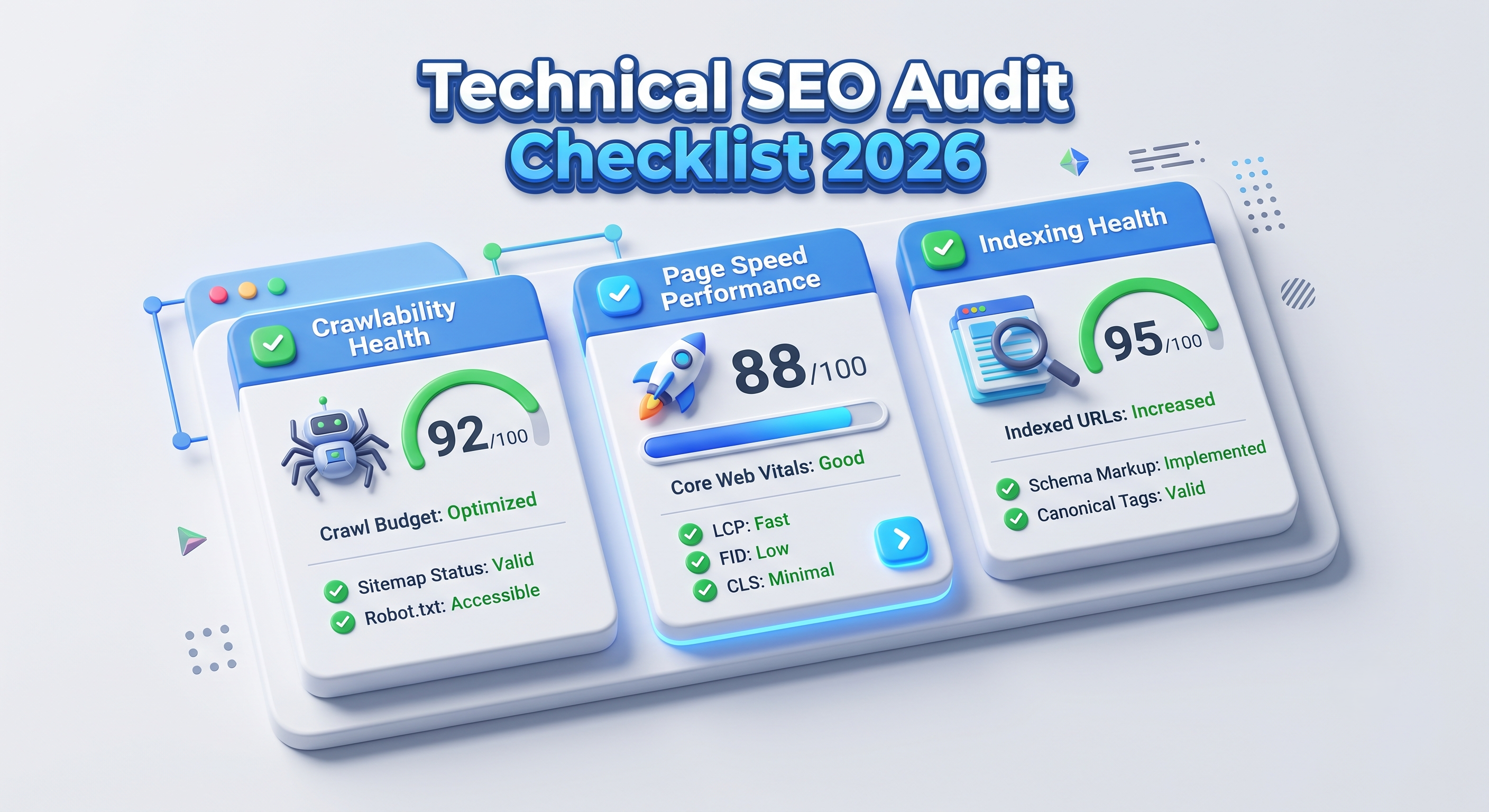
Technical SEO Audit Checklist 2026: The Complete Step-by-Step Guide
A technical SEO audit finds the hidden problems that stop search engines from crawling, rendering and ranking your pages. This 2026 checklist walks developers, testers, CTOs and marketers through every step, from crawlability and Core Web Vitals to structured data and AI search readiness.
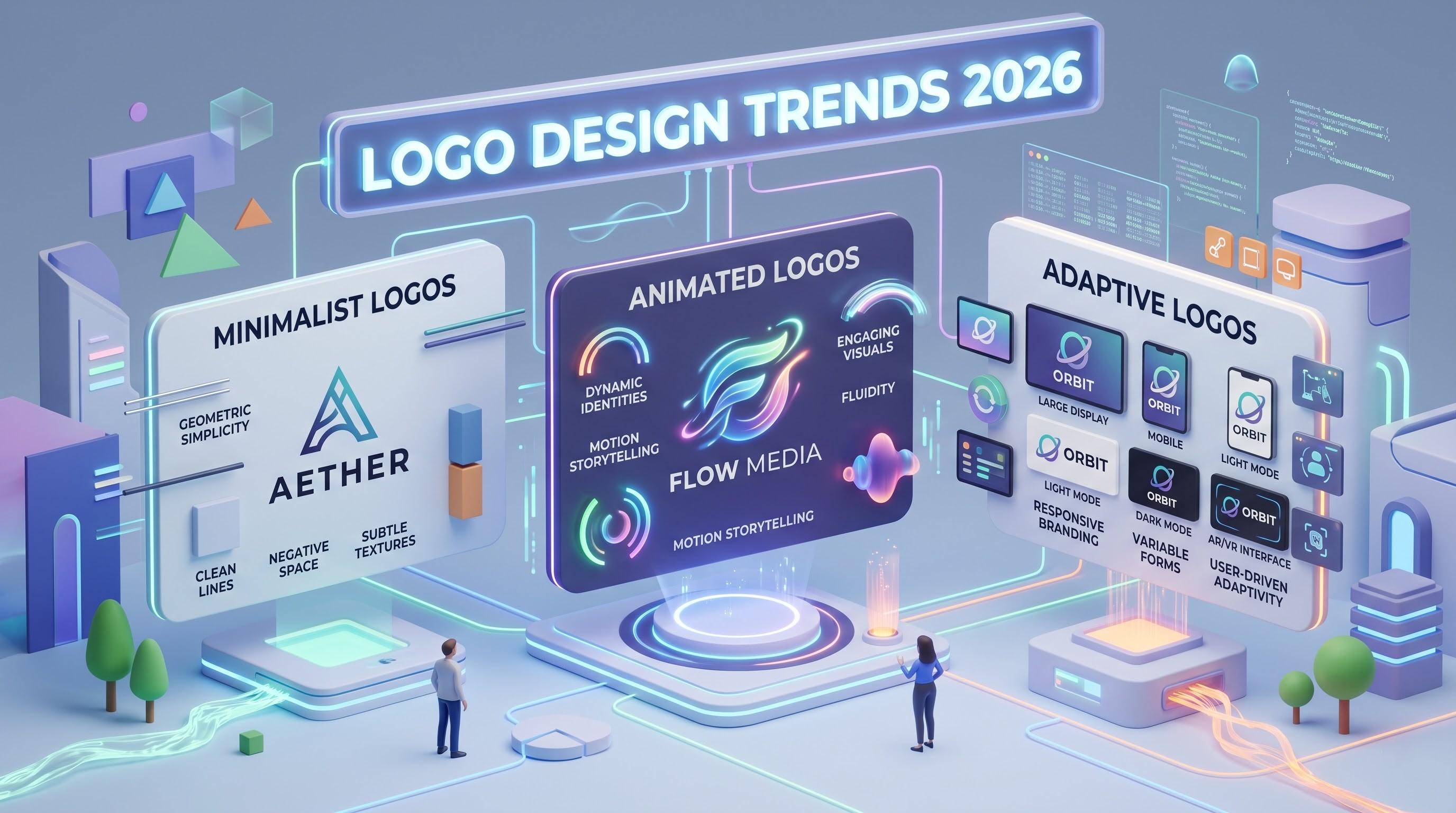
Logo Design Trends 2026: 8 Shifts Every Tech Brand Must Know
Logos now work like small pieces of software. Discover the 8 logo design trends of 2026, from adaptive systems to motion and dark-mode palettes, plus a technical checklist for developers and marketers.