

Table of Contents
In the early days of the internet, a "brand" was merely a logo slapped onto a static HTML page. Today, as we navigate the complex landscape of Web 3.0 and AI-driven interfaces, brand identity has evolved into a living, breathing digital organism. For developers and business owners alike, understanding that design is not just "how it looks" but "how it works" is the key to digital dominance.
At Cinute Infomedia, we’ve observed that the most successful web projects are those where the brand identity is baked into the source code. This blog explores how to bridge the gap between creative vision and technical execution to create a web presence that is both beautiful and high-performing.
1:- Building a Scalable Design System (The Developer’s Blueprint)
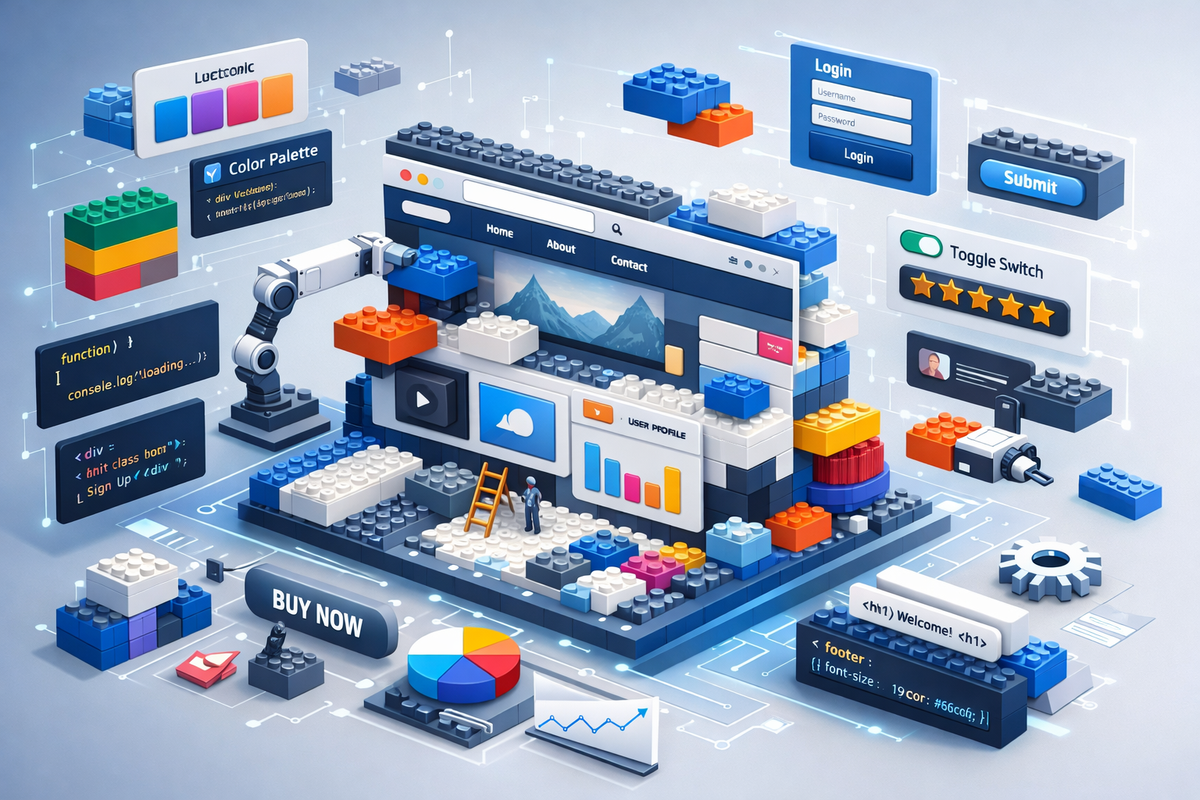
A brand identity is only as strong as its consistency. For a web developer, this translates to a Brand Design System. Unlike a simple style guide, a design system is a library of reusable components, guided by clear standards, that can be assembled to build any number of applications.
When we talk about brand identity in web development, we are talking about Atomic Design. This methodology involves breaking down UI into its smallest parts (atoms like buttons and inputs) and building them up into complex organisms. This ensures that whether a user is on your homepage or a deep landing page, the "feel" of the brand remains identical. This reduces "design debt" and speeds up the development lifecycle significantly. To ensure your project starts with a robust foundation, explore our professional UI/UX Design Services to see how we map brand DNA to digital components.
2:- Performance-First Branding: Why Speed is a Design Choice
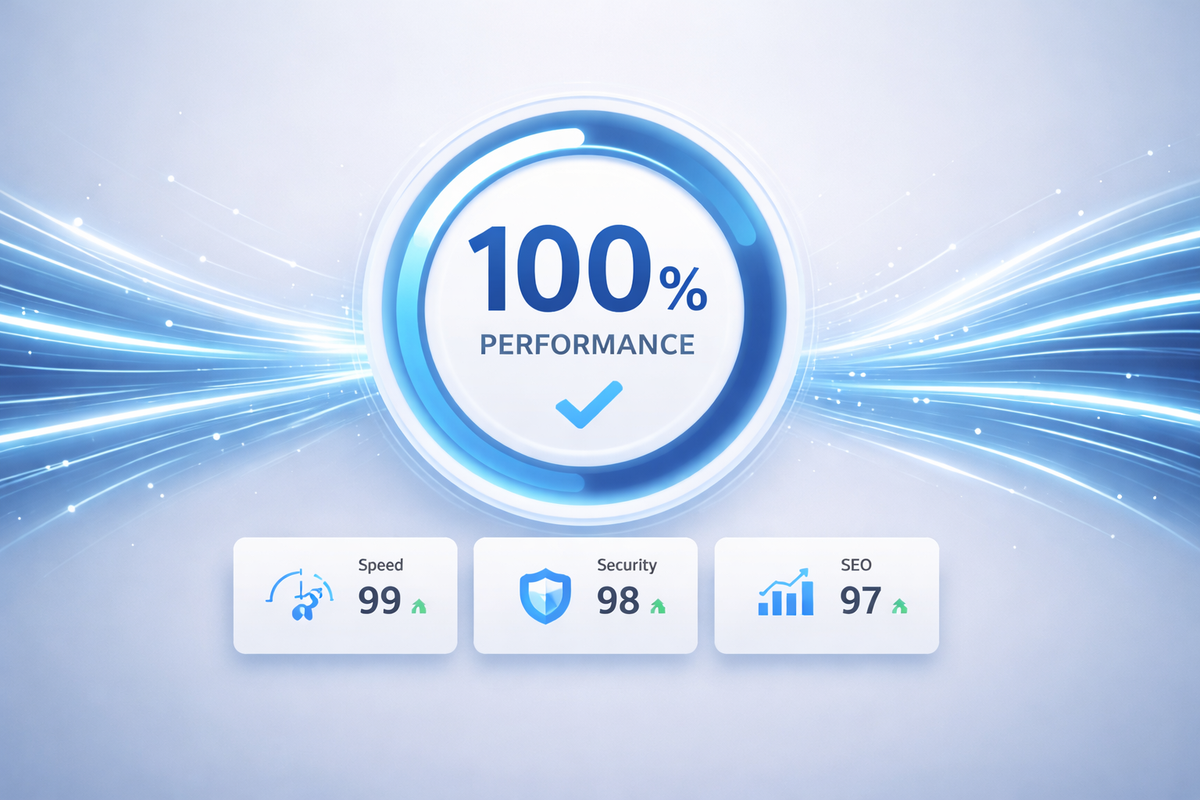
One of the biggest mistakes in brand design is prioritizing heavy visuals over technical performance. A high-resolution video background might look stunning, but if it spikes your "Largest Contentful Paint" (LCP) beyond 3 seconds, your brand identity becomes synonymous with "slow."
Modern brand identity must be "performance-first." This means utilizing SVG (Scalable Vector Graphics) for logos and icons to ensure crispness without the weight of PNGs. It means choosing variable fonts that offer multiple weights in a single file, reducing HTTP requests. In the eyes of Google, a fast website is a trustworthy brand. Performance is at the heart of our Website Development philosophy, where we balance high-end aesthetics with lightning-fast load times. If your design hinders your SEO, your brand is effectively invisible
3:- Visual Storytelling through Interaction Design
Brand identity is no longer static; it is interactive. The way a button changes color when hovered over, the smoothness of a scroll animation, and the "bounce" of a mobile menu—these are all brand touchpoints. These micro-interactions tell the user if your brand is energetic, professional, playful, or conservative.
In web development, we use CSS transitions and JavaScript libraries (like Framer Motion or GSAP) to animate the brand identity. However, the golden rule is "purposeful animation." Every movement should guide the user toward a goal, such as a contact form or a product purchase. If the animation doesn't serve the user journey, it's just noise.
. Our Digital Marketing strategies leverage these interactive elements to increase dwell time and conversion rates.

4:- Accessibility as a Brand Value
In 2025-26 and beyond, inclusivity is a core pillar of brand identity. If your website is not accessible to users with visual, auditory, or motor impairments, your brand is excluding up to 15% of the global population. Web development for brand identity must follow WCAG (Web Content Accessibility Guidelines).
This includes high-contrast color ratios, aria-labels for screen readers, and keyboard-navigable layouts. When you design for accessibility, you aren't just following the law; you are signaling to the world that your brand values every single user.
.Ensure your mobile presence is as inclusive as your desktop site with our Mobile App Development expertise. This builds immense "Brand Equity" and trust, which are the most valuable currencies in the digital age.

5:- Data-Driven Identity: Evolving with the User
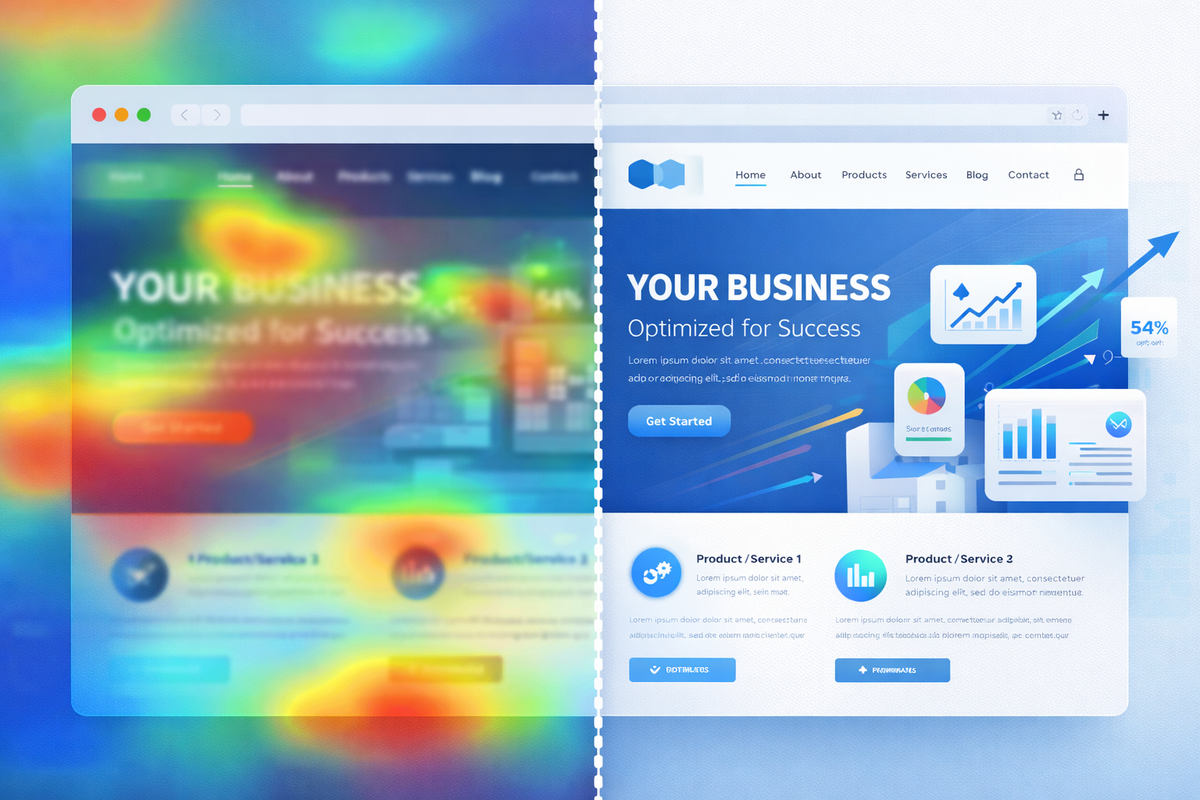
The final stage of brand identity in web development is the refusal to stay static. A website should be a data-collection engine. Through A/B testing and heatmaps, you can see how users actually perceive your brand. Do they click the "Corporate Blue" button or the "Energetic Orange" one?
Using SEO analytics, we can determine what language and visual cues resonate with your target audience. This allows the brand identity to evolve based on real-world usage rather than just gut feeling.
.Let our SEO Services team help you decode user data to refine your brand's digital presence and search visibility.At Cinute Infomedia, we believe that a brand that listens to its data is a brand that stays relevant for decades.
Conclusion: The Future of Brand & Code
Integrating brand identity into web development is no longer an optional luxury—it is a technical necessity. By focusing on scalable design systems, performance, purposeful interaction, accessibility, and data, you create a digital presence that doesn't just look good but drives measurable business growth.
At Cinute Infomedia, we specialize in this holistic approach. We don't just build websites; we build digital identities that thrive in a competitive marketplace. Whether you are a startup looking to make your mark or an established enterprise ready for a refresh, the synergy of design and development is where your success lies.
Related Articles
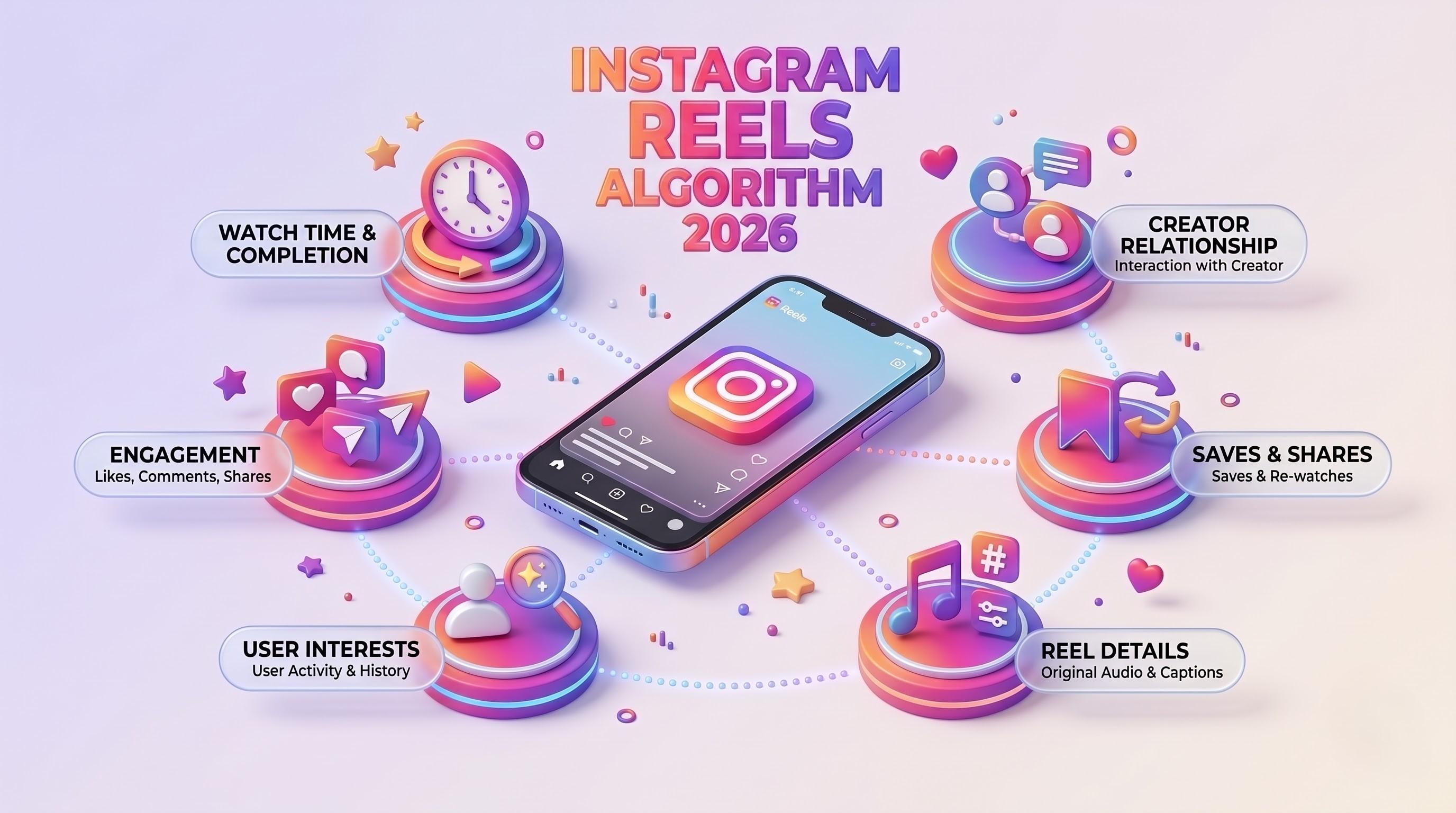
Instagram Reels Algorithm 2026: A Simple Guide for Tech-Savvy Teams
The Instagram Reels algorithm in 2026 ranks videos by watch time, DM sends and likes per reach. This easy guide explains how Reels are tested, what changed recently, and a practical checklist for developers, marketers, CTOs and product teams.

Business Corporate Intranets: A Simple Guide for Tech Teams
Business corporate intranets give every employee one secure place for news, files, people and tools. This easy guide covers features, architecture, security and a step-by-step build plan for CTOs, developers, testers and marketers.
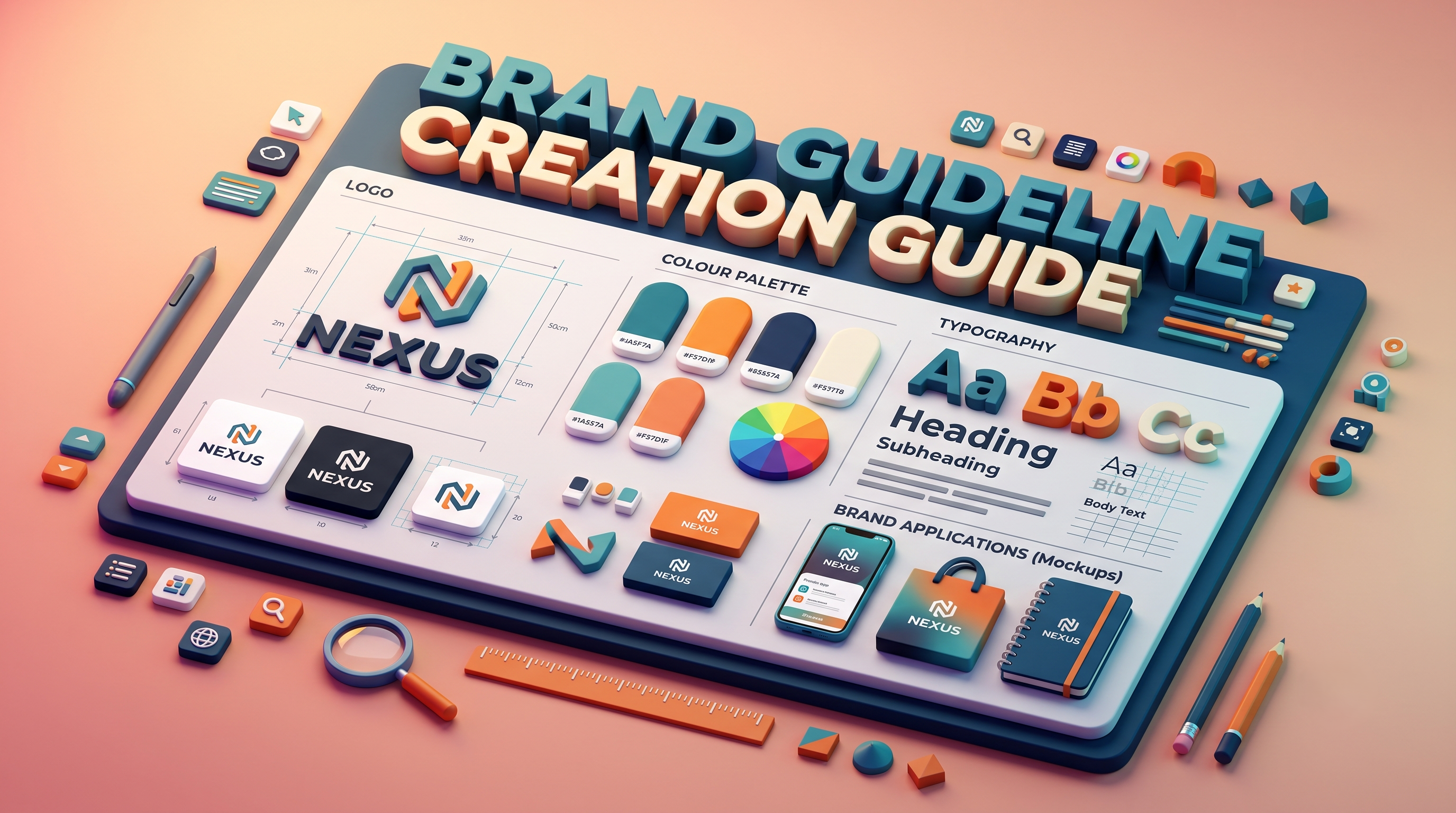
Brand Guideline Creation: A Step-by-Step Guide for Tech Brands
Brand guideline creation turns your logo, colours, fonts and voice into one clear rulebook for designers, developers, testers and marketers. This easy guide covers the core components, an 8-step process, design tokens for code, and how to connect your brand to SEO and AI.