

Table of Contents
Every company on the planet from startups to MNCs is sitting on mountains of data. But they don't know what to do with it. They need people who can look at that data and say: "Based on this, here's what's going to happen next." That's predictive analytics in plain English.
The good news? You don't need a PhD. You don't need 5 years of experience. You need curiosity, a few free tools, and the right guidance and if you're building a digital presence alongside your freelance work, professional web development support can make all the difference. This blog will show you exactly 5 side hustles you can start as a student with zero prior experience and how to turn those skills into real income in 2026.
Want to go from complete beginner to job-ready? Start your career with our Predictive Analytics course beginner-friendly, project-based, and 100% practical.
Why Predictive Analytics Matters in 2026
Think of predictive analytics like being able to read the future using numbers. Netflix uses it to suggest what you'll watch next. Amazon uses it to decide which products to show you. Hospitals use it to predict which patients are at high risk. Banks use it to detect fraud before it happens.
In 2026, this skill is no longer just for data scientists at big companies. Students are using it to:
- Freelance for small businesses that need data insights
- Build side projects that attract recruiters
- Offer consulting services to local retailers and startups
- Create automated data tools that sell online
The demand is massive. The supply of skilled people is still low. That gap = your opportunity.
Career Opportunities & Salary Potential
Let's talk numbers, because this matters.
India (Fresher to Mid-level): ₹4 LPA to ₹18 LPA for full-time data analyst/scientist roles. Freelancers earn ₹500–₹3,000 per hour depending on project complexity.
Global (Remote Freelance): $15–$75/hour on platforms like Upwork and Toptal for predictive modeling and data consulting work.
Even if you're a student with no degree in data science, having a portfolio of 3–4 real projects on GitHub is enough to land freelance clients or internships at data-driven startups.
Reality Check: A final-year B.Com student in Pune started offering basic sales forecasting to local clothing shops. Within 3 months, she had 4 regular clients paying her ₹8,000/month each. No engineering degree. Just Excel, Google Sheets, and a basic Python course.
5 Easy Predictive Analytics Side Hustles for Students
1. Sales & Demand Forecasting for Small Businesses

What it is: Small shops grocery stores, clothing boutiques, pharmacies have no idea how much stock to order next month. They either overstock and waste money, or understock and lose sales. You can fix that.
Real-world example: Imagine a kiryana store owner in Jaipur. He orders 100 kg of sugar every month "by feel." But if you look at his past 12 months of data, you can clearly see sales spike in October (festival season) and dip in July (monsoon). Using even basic Excel trendlines or a simple Python script, you can build a forecast: "Order 140 kg in October, 70 kg in July." That saves him thousands of rupees.
How to start: Walk into 5 local shops. Offer to analyze their sales data for free the first time. If they want to showcase their business online too, you can refer them to an e-commerce development service to build their store while you handle the data side. Use Excel or Google Sheets. Show them a simple chart. Once they see results, charge ₹3,000–₹8,000 per report.
- Tools needed: Excel, Google Sheets, Python (optional)
- Earning potential: ₹5,000–₹25,000/month
- Time to start: 2–4 weeks of learning
Learn forecasting from scratch Join our beginner-friendly Data Analytics training and get hands-on with real business data.
2. Customer Churn Prediction for SaaS & Subscription Businesses
What it is: "Churn" means customers cancelling their subscription or stopping purchases. Every subscription business EdTech apps, OTT platforms, gyms loses customers regularly. They want to know: which customers are about to leave? So they can reach out and retain them.
Real-world example: Imagine a small online tutoring app with 2,000 students. Some students stop logging in after 2 weeks. If the app could identify those students early, they could send them a discount or a motivational email to re-engage them. You can build a model that flags: "This student hasn't logged in for 10 days and their quiz scores are dropping they're likely to cancel." That's churn prediction.
How to start: Look for small SaaS or subscription startups on LinkedIn. Many of these companies also need AI-powered chatbots and AI workflow automation great add-on services you can refer or collaborate on Offer to build them a basic churn dashboard using Python (Scikit-learn) or even a rule-based system in Excel. Charge ₹10,000–₹20,000 per project.
- Tools needed: Python, Scikit-learn, Google Colab (all free)
- Earning potential: ₹8,000–₹30,000/project
- Best clients: EdTech apps, online coaches, subscription boxes
3. Social Media & Content Performance Prediction

What it is: Content creators and small brands want to know: what type of post will perform well next week? Which day should I post? Which hashtags will get me reach? This is predictive analytics applied to social media.
Real-world example: A food blogger in Mumbai posts every day but gets random results sometimes 5,000 views, sometimes 200. You pull 6 months of their analytics data from Instagram Insights. You notice: videos posted on Tuesday between 6–8 PM consistently get 3x more reach. Reels about "10-minute recipes" outperform all other content. You give them a content calendar based on this data. They follow it. Their engagement doubles. You just became their data consultant.
How to start: Approach 5 small influencers or local brand pages. Offer a free first audit. Pair your data insights with a full social media marketing strategy or refer brands to experts for Instagram marketing and YouTube marketing execution. Then charge ₹2,000–₹5,000/month for monthly content strategy reports.
- Tools needed: Excel, Python (Pandas), Instagram/YouTube API or manual exports
- Earning potential: ₹10,000–₹40,000/month with 5–6 clients
- Bonus: This can lead to full social media management roles
Ready to analyze real data? Learn this skill step-by-step our course covers data wrangling, visualization, and prediction with real projects.
4. Stock Market & Financial Data Analysis Reports
What it is: There is huge demand for people who can analyze financial data and write clear, data-backed reports for retail investors, finance blogs, or YouTube channels. Note: you are NOT giving investment advice. You are analyzing historical data patterns and presenting them clearly.
Real-world example: A finance YouTuber with 50,000 subscribers uploads weekly videos. They need someone to prepare a "Data Digest" a weekly PDF that shows: which sectors are trending, how specific stocks moved versus their 52-week average, and what earnings reports are coming. You don't need to predict the market. You just need to analyze the past data and present it beautifully.
How to start: Learn to pull data using Yahoo Finance API (free) or NSE data. Use Python or Excel to create clean charts. Offer these weekly reports to finance bloggers on Fiverr or directly via LinkedIn. Start at ₹2,000/report and scale up.
- Tools needed: Yahoo Finance API, Python, Excel, Canva (for design)
- Earning potential: ₹5,000–₹25,000/month
- Important: Always add a disclaimer you are not a SEBI-registered advisor
5. Predictive Analytics for E-commerce & D2C Brands
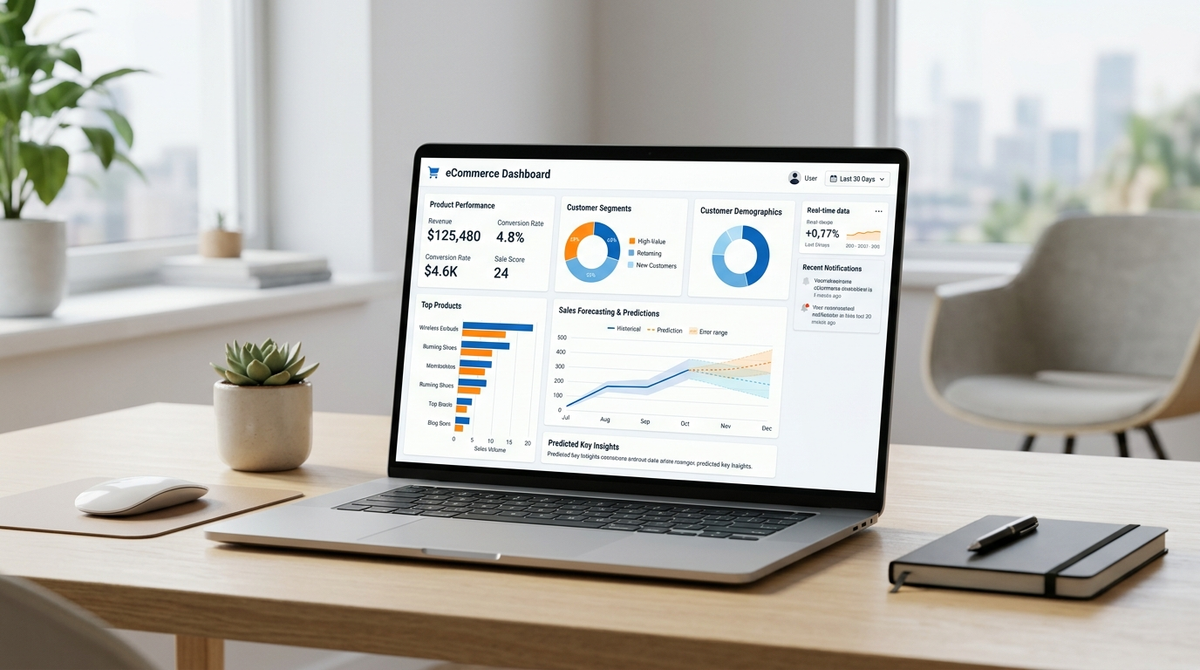
What it is: India's D2C (direct-to-consumer) market is exploding. Thousands of small brands sell on Meesho, Flipkart, Amazon, and Shopify. They all need help understanding: which products to push, which customers to target, and when to run sales.
Real-world example: A small Shopify store selling handmade candles has 3 years of order data. You analyze it and find: 70% of customers who buy a second time within 30 days end up becoming loyal buyers. So you recommend: "Send a special offer to all first-time buyers on Day 20 after their purchase." That one insight can increase their repeat purchase rate by 30%. That's your value.
How to start: Go to LinkedIn or Instagram. Find D2C brands with 10,000–1,00,000 followers. DM them. Many of these brands also need a better Shopify store or a high-converting e-commerce website a warm referral from you builds trust and opens doors and say: "I can analyze your customer data and help you increase repeat sales. First report is free." Once they see results, convert them to a paid monthly retainer.
- Tools needed: Excel, Python, Google Analytics, Shopify Reports
- Earning potential: ₹10,000–₹50,000/month
- Scalability: Very high every brand needs this
This is exactly what we teach in our course real e-commerce data, real tools, real output. Join our beginner-friendly training and start building your portfolio today.
Common Mistakes Students Make (And How to Avoid Them)
Mistake 1 : Waiting to be 100% ready: Most students spend months learning theory without ever touching real data. Don't wait. Start messy. Start small. A real project teaches more than 50 YouTube videos.
Mistake 2 : Ignoring communication skills: Knowing the math is not enough. If you can't explain your findings to a non-technical client in simple language, you won't get hired or paid. Practice explaining your work like you're talking to your parents.
Mistake 3 No portfolio: Your resume means little without proof. Build a GitHub or Notion portfolio with 3–5 real projects. Even student projects count. Show your process, not just the output.
Mistake 4 Chasing complex tools too early: Students often try to learn TensorFlow and deep learning before mastering Excel and basic Python. Master the basics first. 80% of real business problems can be solved with Excel + basic Python.
Mistake 5 Underpricing themselves: Many students charge ₹500 for work worth ₹5,000. Research market rates. Your time and skill have value. Charge fairly.
Step-by-Step Roadmap to Get Started
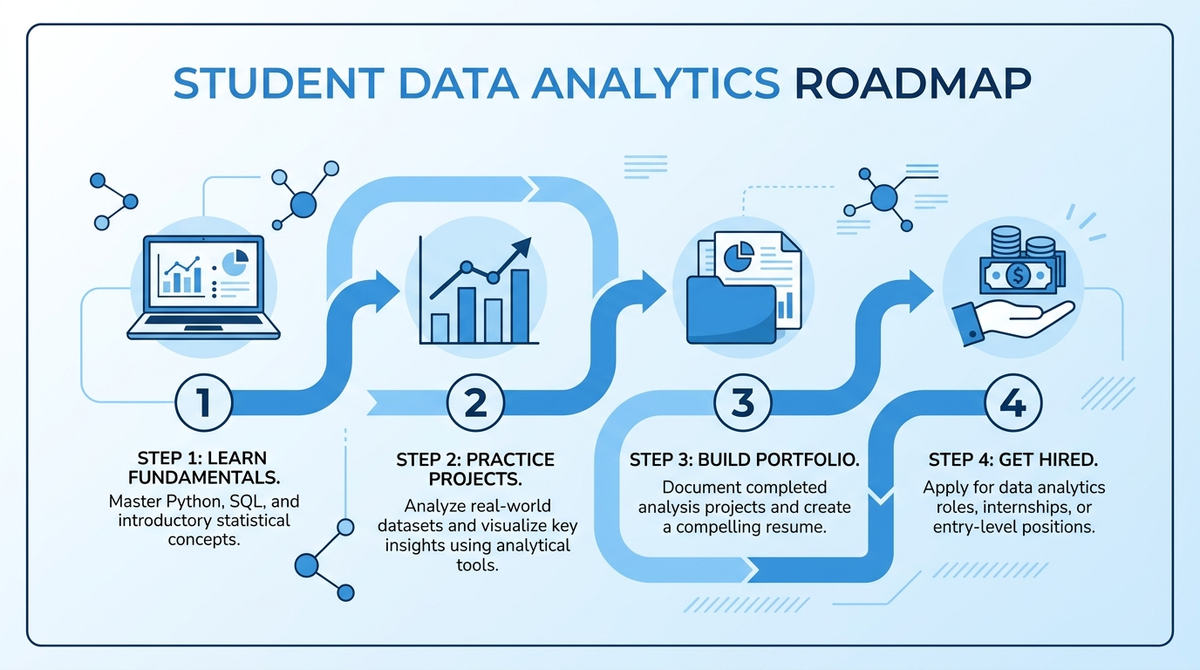
- Learn the basics : Excel, Python basics, and statistics fundamentals (4–6 weeks)
- Practice with real datasets : use Kaggle, Google Dataset Search, or ask local businesses (2–4 weeks)
- Build 2–3 small projects : sales forecast, churn model, or social media analyzer (4 weeks)
- Create your portfolio : GitHub + a simple Notion or WordPress page (1 week)
- Pitch your first client : local business, startup, or a freelance platform listing (ongoing)
Pro Tip: Your first 2 clients don't pay you in money they pay you in experience, testimonials, and case studies. That is more valuable in the long run.
Tools & Platforms to Learn Predictive Analytics for Free
- Google Colab: Free cloud-based Python notebook. No installation needed. Perfect for beginners.
- Kaggle: Free datasets, free courses, and a community of 10 million data scientists.
- Scikit-learn: Python's go-to library for machine learning. Beginner-friendly documentation.
- Tableau Public: Free version of the most popular data visualization tool. Great for portfolios.
- Google Analytics: Free tool to analyze website and app data. Businesses that want to go deeper with their SEO and organic growth often work with specialists like Cinute InfoMedia's SEO services to turn that data into rankings and traffic.
- Excel / Google Sheets: Don't underestimate these. 70% of real business analytics happens here.
Don't want to piece this together alone? Our structured course covers all these tools in one place with guided projects, mentorship, and a job-ready certificate.
Your Free 30-Day Predictive Analytics Starter Roadmap
Week 1 Foundations: Learn Excel data analysis basics. Watch 5 YouTube tutorials on descriptive statistics. Download a free dataset on Kaggle and explore it.
Week 2 Python Basics: Install Google Colab (no setup needed). Learn Pandas basics for data manipulation. Clean and analyze a CSV file with 1,000+ rows.
Week 3 Your First Prediction: Learn linear regression (it's just drawing a best-fit line through data). Build a simple sales forecasting model on Google Colab. Visualize the output using Matplotlib.
Week 4 Build & Share: Create a GitHub profile. Upload your project with a clear README. Share it on LinkedIn with a 3-line explanation of what you built. Reach out to 3 potential clients.
Remember: Done is better than perfect. Your first project does not need to be impressive. It needs to exist. That's how you start.
FAQ Questions Students Ask Most
Q1: Do I need a maths degree to learn predictive analytics?
You need basic school-level maths percentages, averages, basic graphs. The tools do the complex calculations for you. Your job is to understand what the results mean and explain them clearly.
Q2: How long will it take to earn my first money?
Realistically? 6–10 weeks if you're consistent. The first 4 weeks are learning. Weeks 5–8 are building a project. Weeks 9–10, you start pitching clients. Many students land their first paid project within 3 months.
Q3: Can I do this alongside college?
That's the whole point of a side hustle. Most projects take 5–10 hours/week once you've learned the basics. You don't need to quit college you need to manage your weekends better.
Q4: What if I'm not from a tech background?
Some of the best data analysts come from commerce, economics, and even arts backgrounds. Data is just numbers with a story. If you can read a graph and explain what it means, you're already halfway there.
Q5: Where do I find my first client?
Start local. Talk to shop owners, family businesses, local startups, small YouTubers, and Instagram brands. Offer free help first, get a testimonial, then charge. After that, use Fiverr, Upwork, and LinkedIn.
Conclusion: Your Data Career Starts Today
The world is generating more data than ever before. But most of it is going to waste because there aren't enough people who can make sense of it. You can be one of those people.
You don't need to be a genius. You don't need an expensive laptop. You don't need a data science degree. You need to start with one dataset, one project, one client.
The students who start today will be the professionals companies are fighting to hire in 2026 and beyond. The students who wait will be looking at those job listings wondering what went wrong.
Related Articles
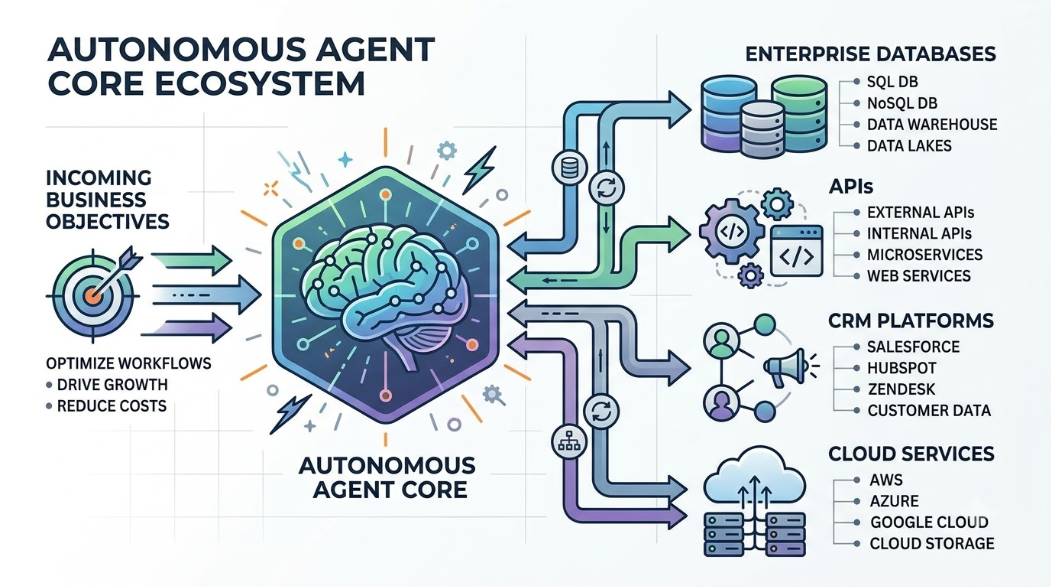
What Are AI Agents? How They Work, Benefits, Architecture, and Enterprise Adoption
A comprehensive guide for technology leaders exploring the shift from conversational chatbots to autonomous AI agents. Learn the core architecture, 8-stage operational lifecycle, high-impact enterprise use cases, integration patterns, security risks, and multi-layered testing frameworks required to deploy agentic automation responsibly.
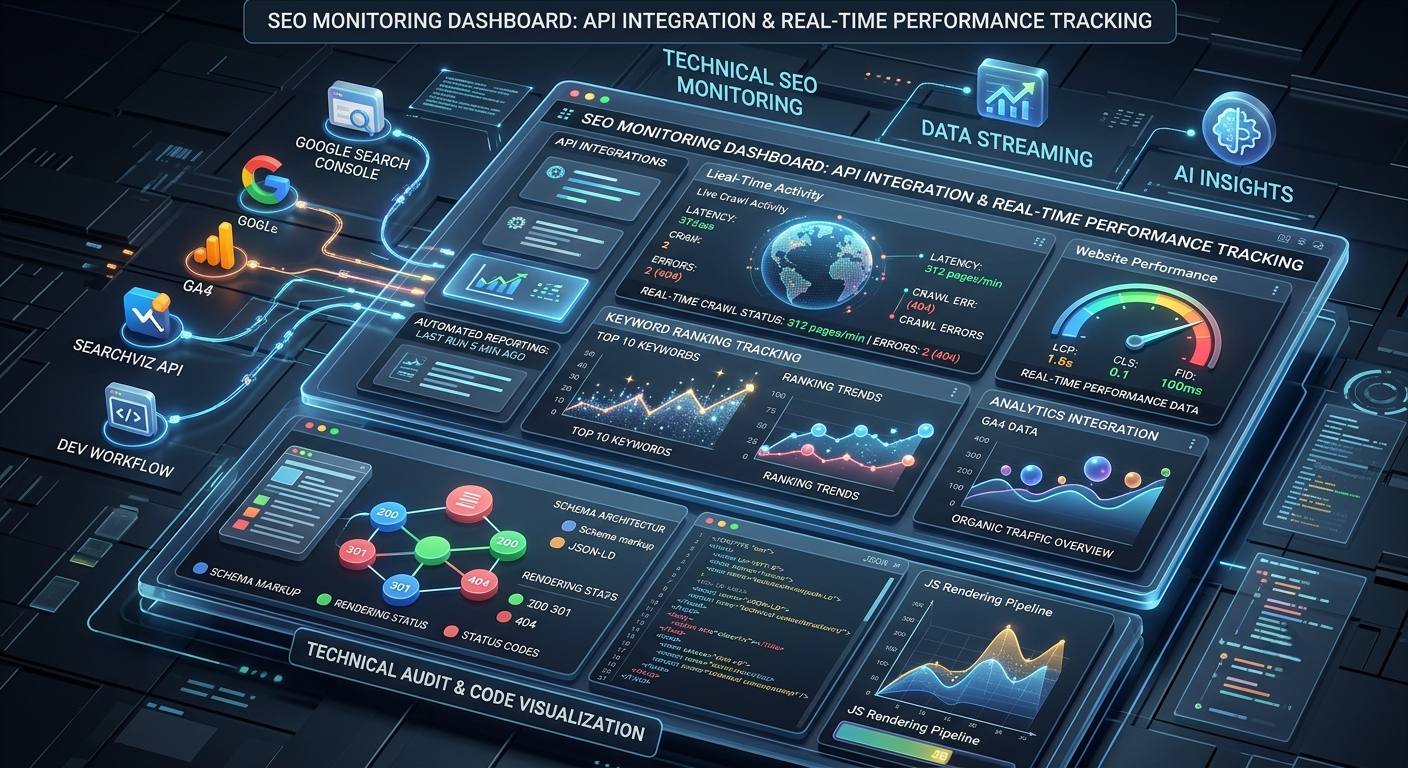
SEO Monitoring Tools: Technical Implementation Guide for Developers
Comprehensive technical guide to SEO monitoring tools designed for software developers and product managers. Learn how to integrate monitoring into development workflows, track technical SEO metrics, and automate performance reporting with modern tools and APIs.

Core Web Vitals Fixes Guide: Complete Technical Implementation for Developers
Master Core Web Vitals optimization with our technical implementation guide. Learn LCP, FID, CLS fixes with code examples and strategies tailored for developers and CTOs.