

Table of Contents

React continues to dominate the frontend landscape, but the "right way" to build applications has shifted significantly. In 2024, staying ahead isn't just about knowing the syntax; it’s about understanding the synergy between client-side interactivity and server-side efficiency. As businesses demand faster load times and more complex user interfaces, developers must pivot toward architectural patterns that ensure long-term maintainability.
At Cinute Infomedia, we emphasize building robust digital foundations. This guide distills the latest React patterns, performance tweaks, and state management strategies you need to master this year.
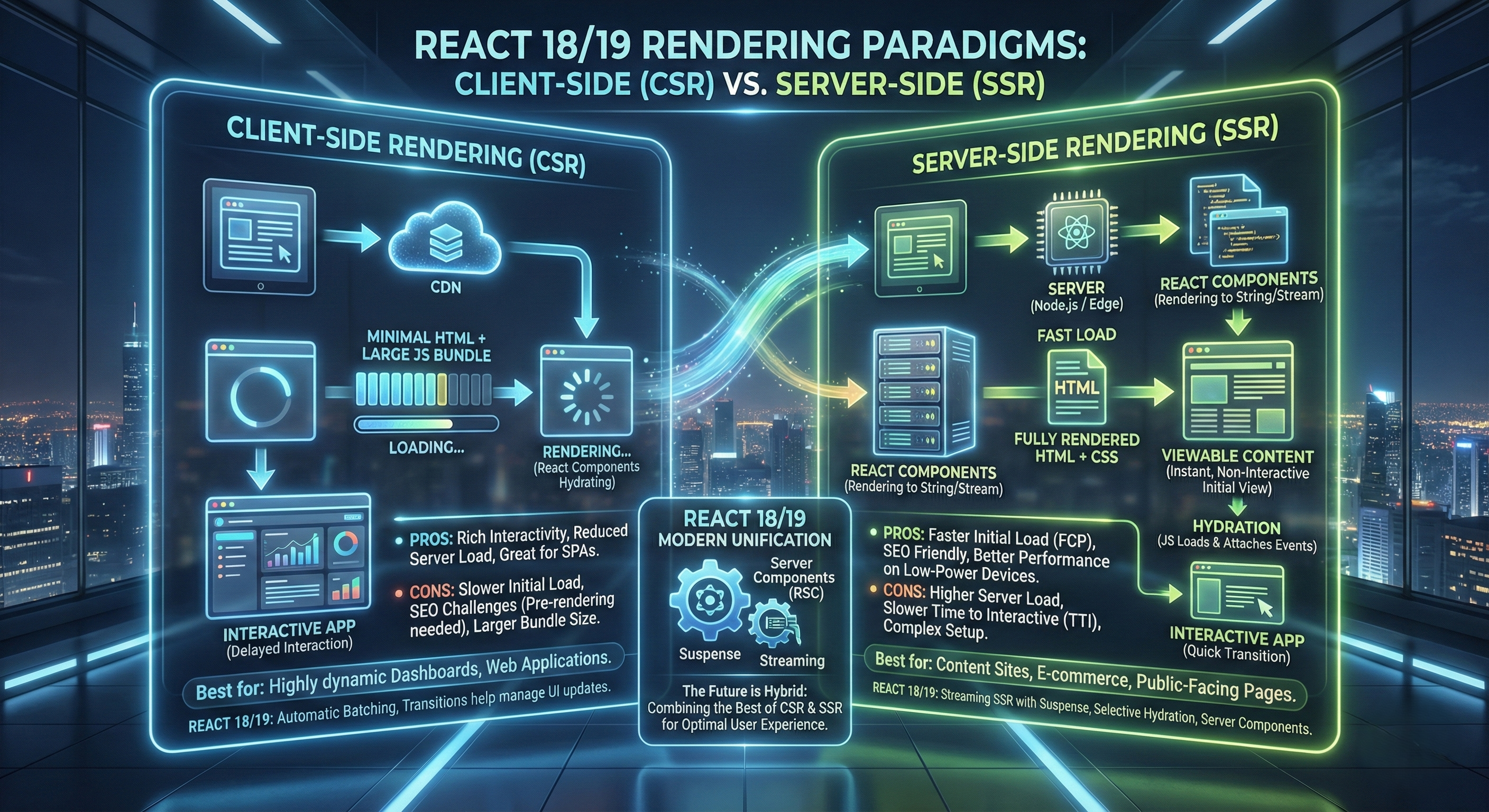
1. The Paradigm Shift: React Server Components (RSC)
The biggest change in the React ecosystem is the mainstream adoption of Server Components. Unlike standard client-side rendering, RSCs allow you to render components on the server, significantly reducing the JavaScript sent to the browser.
Why RSCs Matter for SEO and Performance:
- Zero Bundle Size impact: Large dependencies stay on the server.
- Direct Database Access: You can fetch data directly within your component without building an intermediary API layer.
- Faster First Contentful Paint (FCP): Users see content almost instantly.
“React Server Components blur the line between server and client, giving you the best of both worlds.” - Dan Abramov
2. Modern State Management: Knowing When to Scale
One of the most common pitfalls in React development is "over-engineering" state. In 2024, the best practice is to keep state as local as possible.
The State Hierarchy:
- useState: Use this for local UI logic (e.g., toggling a modal or handling form input).
- Context API: Ideal for "static-ish" global data like User Authentication or Theme settings.
- Zustand / TanStack Query: For complex global states like shopping carts or server-cache management.
Pro Tip: Stop using Redux for everything. If you are managing server data, TanStack Query (React Query) is the industry standard for caching and synchronization. If you need a custom solution for your enterprise project, our team specializing in Custom Software Development can help you architect the right state flow.
3. Component Design: Composition over Configuration
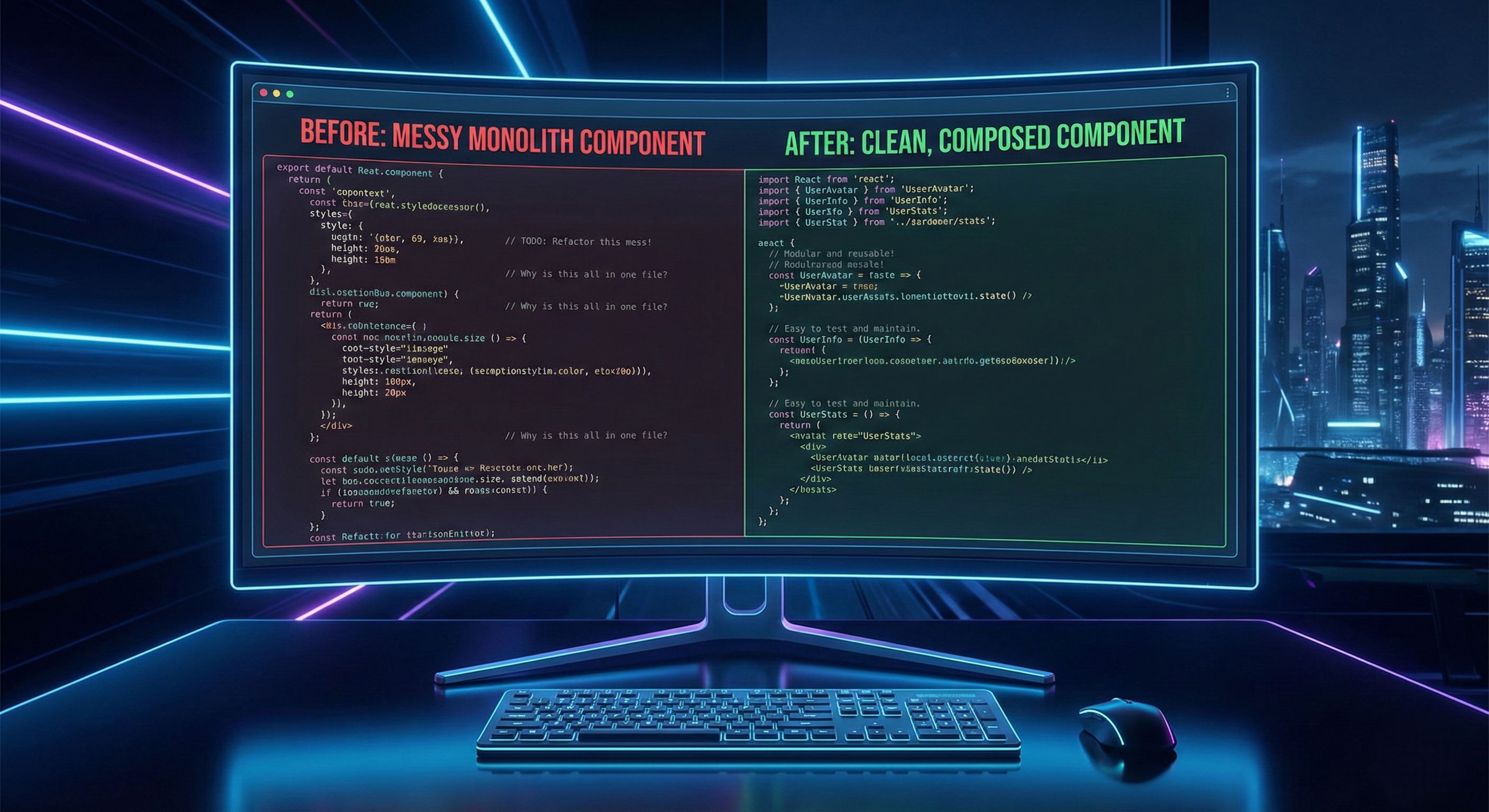
Clean code in React revolves around the Single Responsibility Principle. Instead of creating "God Components" with 20 different props, use Component Composition.
Implementation Checklist:
- Extract Logic into Custom Hooks: Keep your JSX clean by moving data fetching and logic into specialized hooks (e.g., useAuth, useWindowSize).
- Compound Components: Build components that work together (like
- TypeScript by Default: In 2024, using JavaScript for React is a technical debt. TypeScript ensures your props are type-safe and your IDE provides better autocompletion.
4. Performance Optimization: Measure Twice, Cut Once
Performance is a core SEO ranking factor (Core Web Vitals). However, many developers fall into the trap of "premature optimization."
How to Optimize Correctly:
- useMemo & useCallback: Use these only for truly expensive calculations or to prevent unnecessary re-renders of heavy children.
- Code Splitting: Use React.lazy() and Suspense to load parts of your application only when needed.
- Image Optimization: Never serve raw images. Use modern formats like WebP or AVIF.
For businesses looking to improve their search engine rankings through technical excellence, our Digital Marketing and SEO Services ensure that your React app is not just fast, but also discoverable.
TypeScript
// Example: Efficient Calculation with useMemo const expensiveValue = useMemo(() => { return items.filter(item => item.active) .reduce((sum, item) => sum + item.price, 0); }, [items]);
5. Security Best Practices for Frontend Applications
As React apps become more powerful, they become bigger targets. Security should be baked into your development process.
- Sanitize Data: Use libraries like DOMPurify to prevent XSS attacks when rendering HTML.
- Secure Storage: Never store sensitive JWT tokens in localStorage. Use HttpOnly cookies.
- Environment Variables: Ensure secrets are never exposed in your client-side bundle.
If you are unsure about your application’s security posture, consider a professional audit from our Mobile App Development experts, who understand the nuances of secure API communication.

6. The Importance of Testing in 2024
A feature isn't finished until it's tested. Modern React testing has moved away from testing "implementation details" and toward testing "user behavior."
- Vitest: The faster alternative to Jest for modern Vite-based projects.
- Playwright: The gold standard for End-to-End (E2E) testing, ensuring your critical user flows (like checkout or login) never break.
7. Accessibility (a11y): More Than a Checkbox
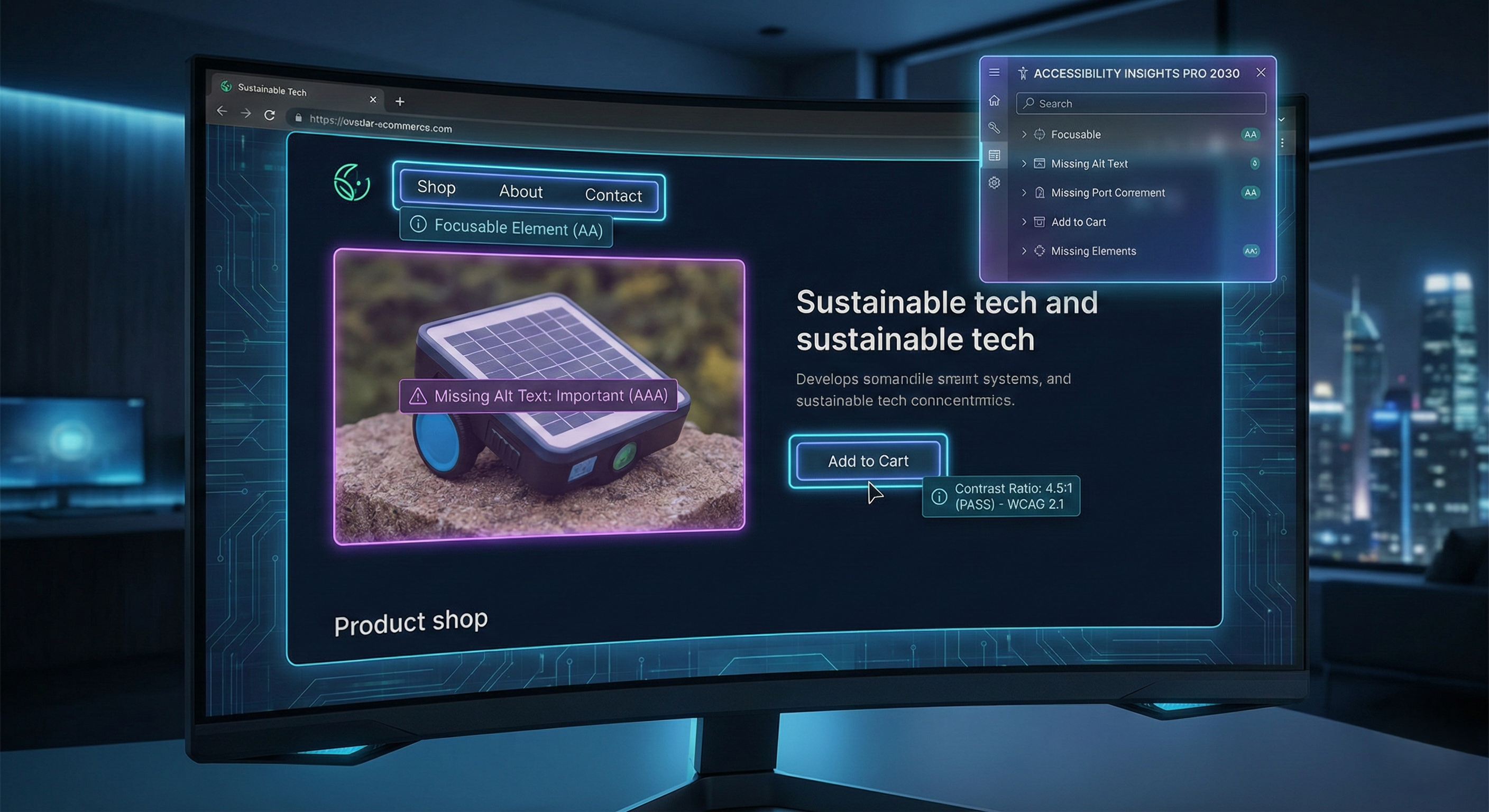
Accessibility is no longer optional. It affects your SEO and your legal compliance.
- Use semantic HTML (
, - Ensure all interactive elements are keyboard-accessible.
- Use aria-labels for icon buttons.
Creating an inclusive digital experience is a core value at Cinute Infomedia. We integrate these standards into all our UI/UX Design Services to ensure your product reaches everyone.
Conclusion: Staying Agile in a React World
Modern React development in 2024 is about finding the balance between cutting-edge features and stable, maintainable code. By adopting Server Components, mastering state management, and prioritizing performance, you create applications that aren't just modern today, but scalable for tomorrow.
Success in the digital space requires more than just code; it requires a strategic partner. Whether you are building a new platform or optimizing an existing one, Cinute Infomedia is here to turn your vision into a high-performing reality.
Related Articles

Scaling Your Brand: The Intersection of Design and Code
True digital growth happens at the intersection of aesthetic design and technical code. Discover how Cinute Infomedia bridges the gap between brand identity and high-performance development to build websites that aren't just beautiful—they’re built to lead."
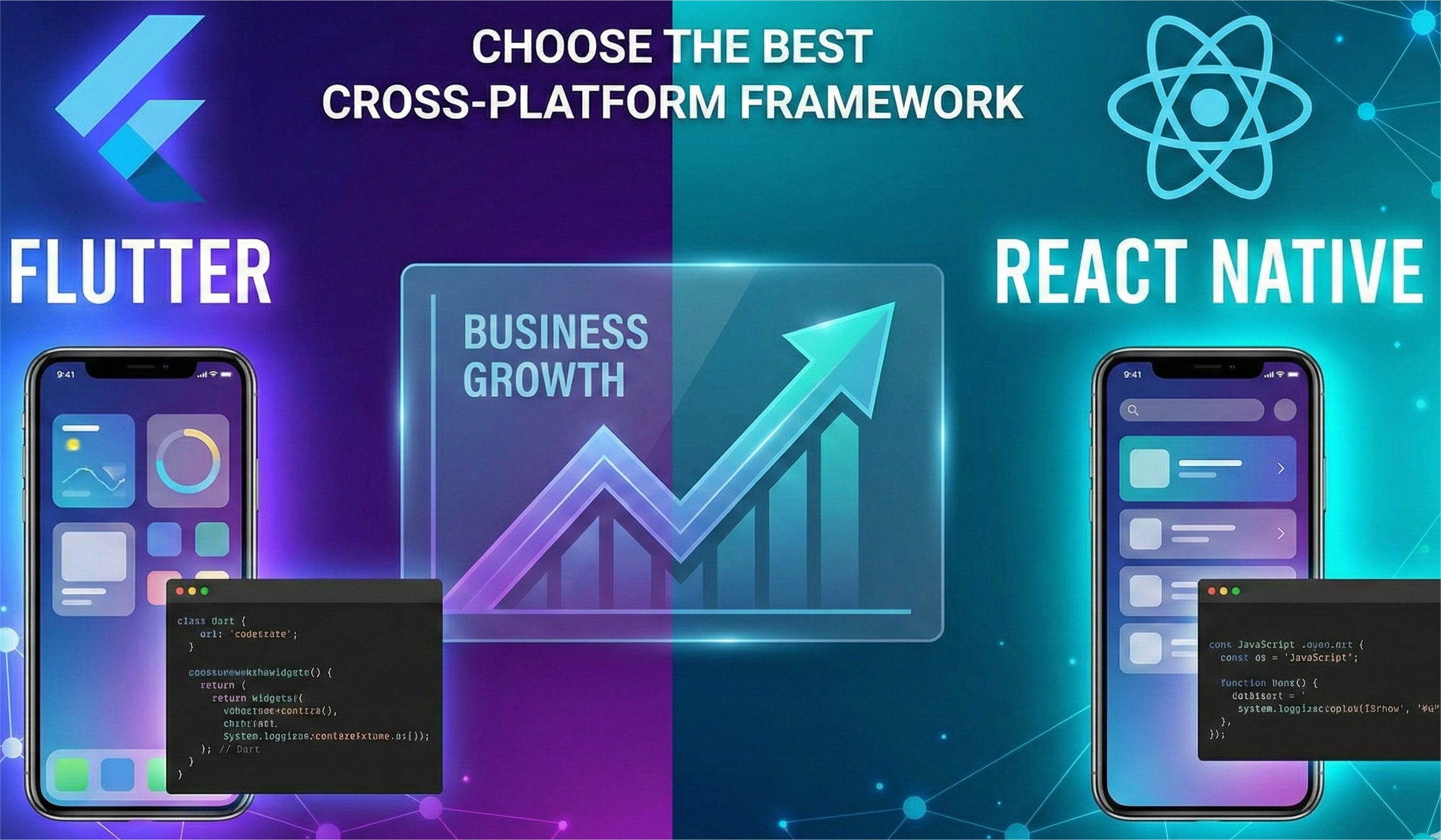
Flutter vs React Native: The Definitive 2026 Guide to Choosing the Best Mobile App Development Services
The choice between Flutter and React Native is a multi-million dollar decision for modern enterprises. In this 2500+ word deep-dive, we explore the technical nuances, business ROI, and strategic advantages of cross-platform frameworks within the Cinute Infomedia ecosystem.

AI Workflows: Automating Your Business Processes
Discover how AI workflows and Agentic AI are transforming traditional business operations into autonomous workflows. This 2026 guide explores strategic automation, ROI-driven implementation, and the future of intelligent business process management for the modern enterprise..