
Table of Contents
In my 25 years analyzing digital marketing landscapes, I’ve seen trends come and go. Social platforms rise and fall, and algorithmic shifts turn SEO strategies upside down overnight. Yet, through decades of digital evolution, one channel has remained the undisputed king of return on investment (ROI): Email.
However, the way we use email has fundamentally changed. The era of "batch and blast"-sending the same generic newsletter to your entire database at 9:00 AM on a Tuesday-is over. In today's hyper-competitive digital ecosystem, efficacy depends entirely on relevance. And the only way to achieve relevance at scale is through email marketing automation.
Email marketing automation is not merely about saving time by scheduling broadcasts. It is the strategic infrastructure that allows businesses to send targeted, deeply relevant messages without manual intervention based on specific user criteria. When executed correctly, it transforms email from a simple communication tool into a Digital Marketing Service that acts as a perpetual revenue engine, significantly improving engagement and customer lifetime value.

Understanding the Mechanics: The Engine of Automation
Automation is fundamentally about creating a rules-based system. Instead of you deciding when to send an email, the user’s behavior dictates the communication. This shift from a marketer-centric approach to a user-centric approach is why automation yields such high engagement rates.
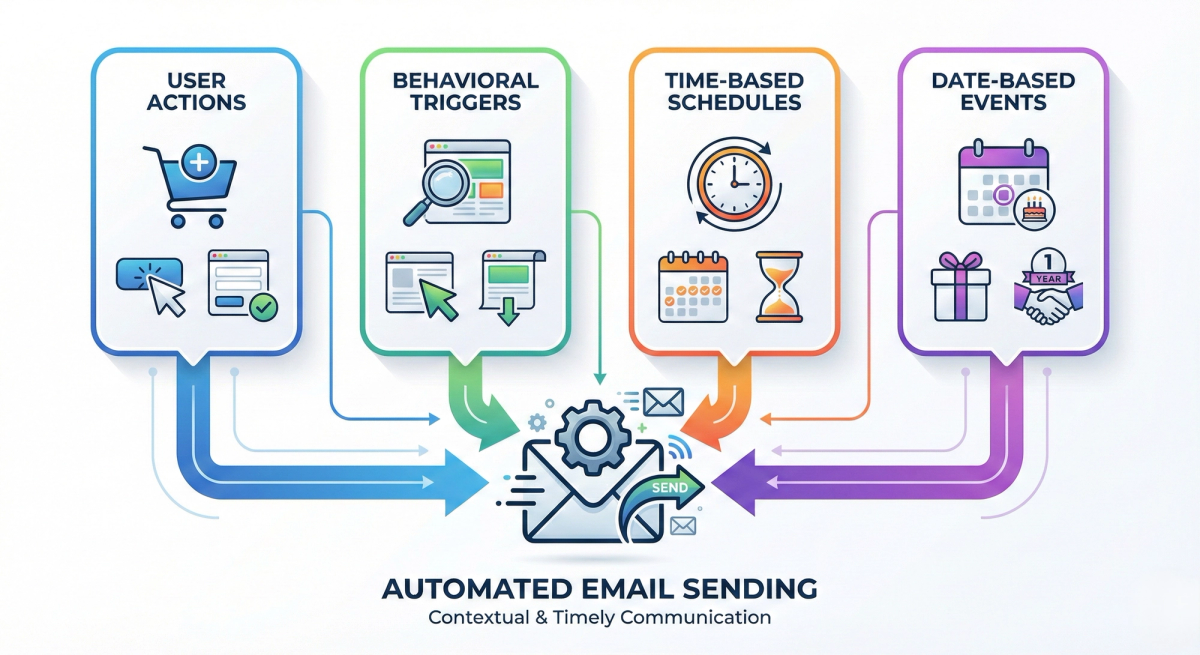
To build an effective machine, you must understand its components. Automated workflows are powered by specific triggers designed to deploy the right message at the exact moment of highest relevance.
These triggers generally fall into four primary categories:
1. User Action Triggers (Transactional & Direct)
These are immediate responses to a direct action taken by a prospect or customer.
- Sign-ups: The moment someone exchanges their email for a newsletter or lead magnet.
- Purchases: Transactional receipts, shipping confirmations, and post-purchase thank-you notes.
2. Behavioral Triggers (Implicit Interest)
This is where automation becomes sophisticated. Behavioral triggers are based on how a user interacts (or fails to interact) with your digital properties. This data-driven approach is the backbone of Performance Marketing, requiring tight integration between your website analytics and your Email Service Provider (ESP).
- Website Activity: Tracking which product pages a user visits repeatedly.
- Abandoned Carts: An automated sequence deployed to recover lost revenue.
3. Time-Based Schedules (Drip Campaigns)
These are linear sequences designed to nurture leads over a predetermined period.
- Educational Drips: A 5-day mini-course delivered one email per day.
- Onboarding Sequences: Guiding a new user through key features to ensure adoption.4. Date-Based Events (Milestones)
The Essential Automated Sequence: The Welcome Series
In my experience auditing hundreds of email accounts, the single greatest missed opportunity is a weak, single-email welcome.
The Welcome Series is your digital first impression. It sets the tone for the entire relationship. Statistics consistently show that welcome emails generate 4x more opens and 5x more clicks than standard promotional emails. You cannot afford to waste this attention on a simple "Thanks for subscribing."
A strategic, multi-part welcome series is designed to indoctrinate new subscribers, build trust, and gently guide them toward their first significant interaction.
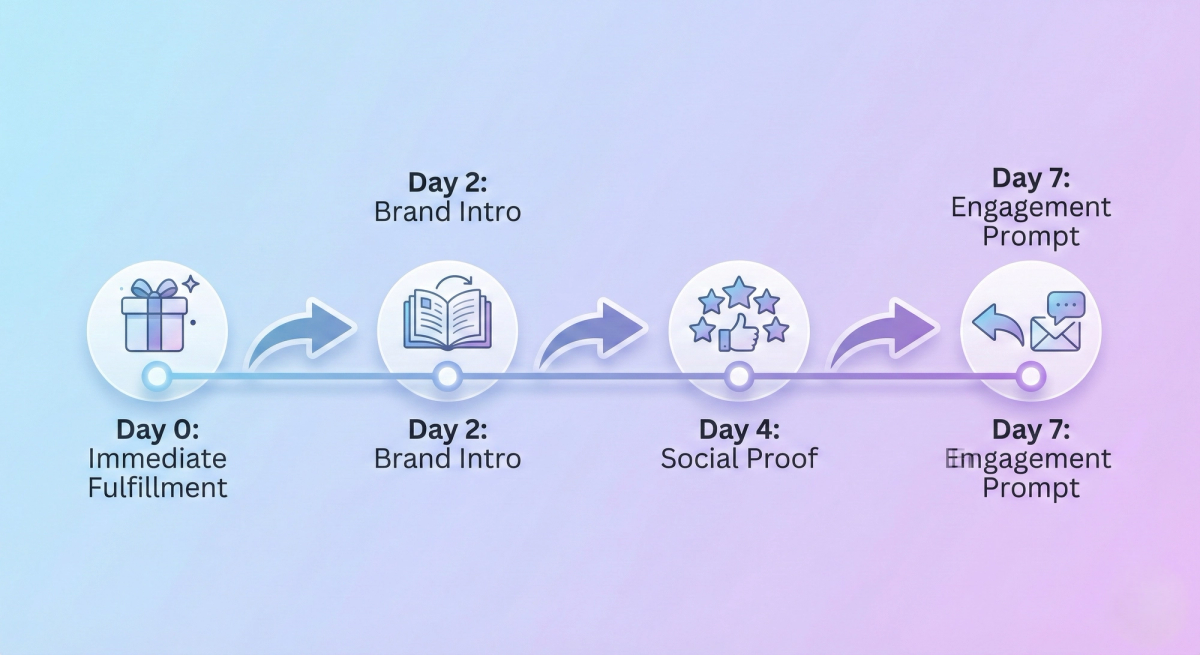
Here is a proven, four-part structure that balances value delivery with strategic engagement:
Part 1: The Immediate Welcome & Fulfillment (Day 0)
This email must fire instantly upon sign-up. Speed is essential.
- Goal: Instant gratification and confirmation.
- Content: Deliver whatever was promised as the hook (the discount code, the PDF download, etc.). Keep it brief, warm, and validate their decision to join your community. Do not try to sell anything else yet.
Part 2: Brand Introduction & The "Why" (Day 2)
Forty-eight hours later, introduce who you are. What is your mission? Why do you exist beyond making money? This stage is essential for cementing Branding Identity and long-term affinity.
Part 3: The Value Proposition & Social Proof (Day 4)
By day four, you need to prove your worth.
- Goal: Credibility building.
- Content: Highlight your "greatest hits." Showcase your best-selling products, your most popular blog posts, or a compelling case study. Use testimonials or user-generated content to leverage social proof. Show them that others like them trust you.
Part 4: The Engagement Prompt (Day 7)
A week in, you have provided immense value without asking for anything in return. Now, it is time to ask for a micro-commitment.
- Goal: Habit formation and deliverability boost.
- Content: Ask a question and encourage them to reply directly to the email (replies are gold for sender reputation). Alternatively, guide them to follow your social channels or nudge them toward a low-risk initial purchase.
Segmentation Strategies: Moving Beyond the "Blast"
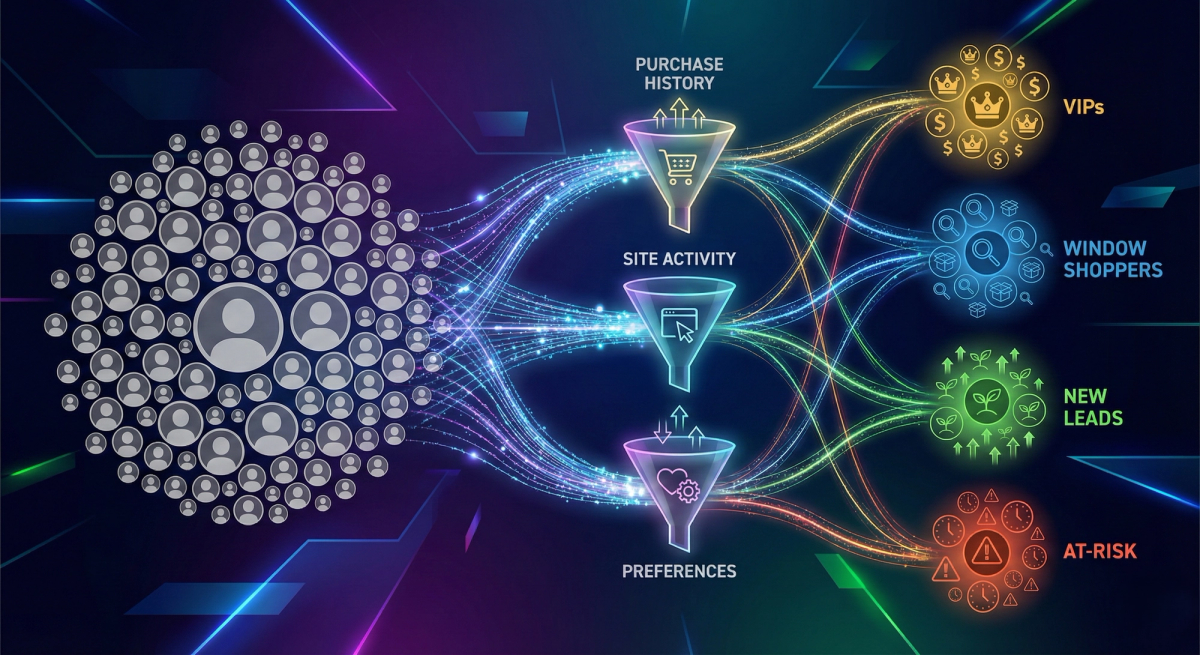
If automation is the engine, segmentation is the fuel. Effective segmentation allows you to slice your database into smaller, homogeneous groups for hyper-targeted messaging, which can drive a 760% increase in revenue.
- Purchase History: Separate buyers from non-buyers.
- Email Engagement: Track Active vs. Lapsed segments.
- Content Preferences: Using a preferences center to let users choose their desired topics.
Deliverability Best Practices: The Technical Foundation
You can craft the most persuasive automated sequence in the world, but it is useless if it lands in the spam folder. As an analyst, I view email deliverability with the same technical rigor as SEO Services and on-page optimization.
1. Clean Your Email List Regularly
Database decay is inevitable. People change jobs and abandon email addresses. Continuing to email "hard bounces" (invalid addresses) ruins your sender reputation.
- Action: Automate the process of removing hard bounces immediately. Periodically scrub inactive subscribers who haven't engaged in 6-12 months. A smaller, engaged list is infinitely more valuable than a large, dead one.
2. Use Double Opt-In
While some marketers fear the extra friction, double opt-in (requiring a user to click a confirmation link after signing up) is a best practice for long-term health.
- Action: Implement double opt-in to ensure every email on your list is valid and belongs to a human who genuinely wants your content. This drastically reduces spam complaints, which are kryptonite to deliverability.
3. Monitor Bounce Rates
Your bounce rate is a canary in the coal mine.
- Action: Aim for a bounce rate below 2%. If it suddenly spikes, stop sending immediately and investigate the source of your recent sign-ups. You may have been hit by a spambot attack.
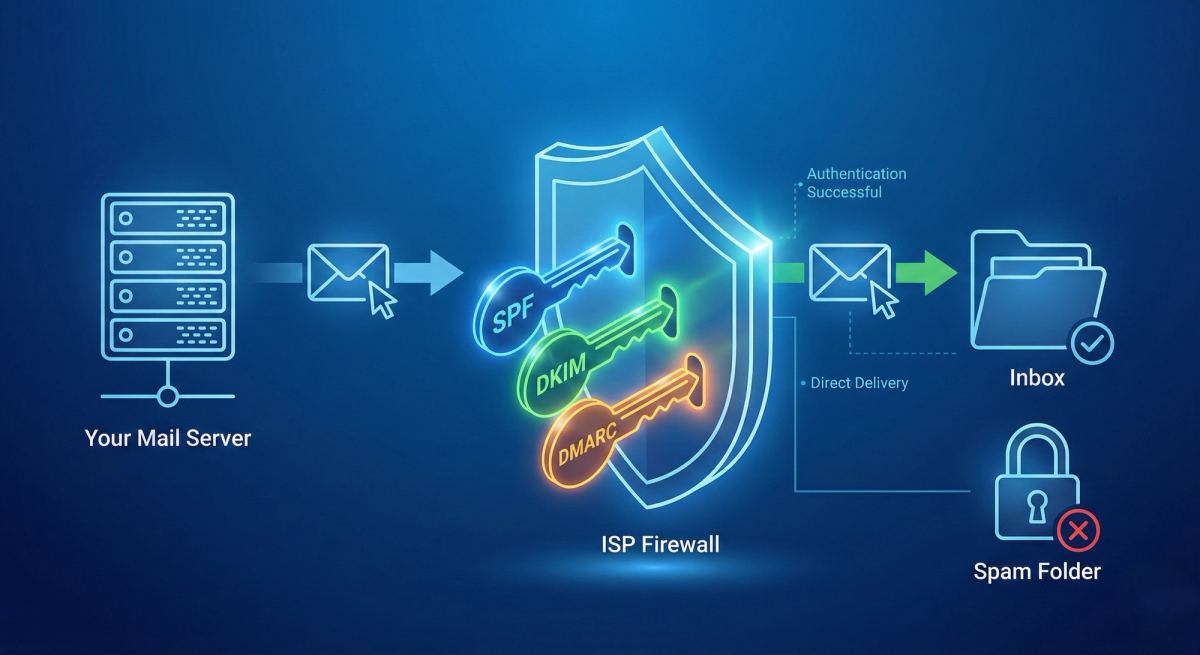
4. Authenticate Your Domain (SPF, DKIM, DMARC)
This is the technical "digital ID" for your emails. Without these protocols, ISPs have no way of knowing if an email appearing to come from your domain actually originated from you, making you look like a potential phisher.
- SPF (Sender Policy Framework): A DNS record that specifies which mail servers are authorized to send email on behalf of your domain.
- DKIM (DomainKeys Identified Mail): Adds an encrypted digital signature to your emails, verifying that the email hasn't been tampered with in transit.
- DMARC: A policy layer on top of SPF and DKIM that tells ISPs what to do if an email fails those checks (e.g., quarantine it or reject it entirely).
For technical guidance on setting these up, always refer to authoritative sources like Google's Email Sender Guidelines or resources from deliverability experts like Validity (formerly Return Path).
Conclusion: The Path to Sustained ROI
Email marketing automation is not a "set it and forget it" tactic. It is an ever-evolving ecosystem designed to maximize the value of the audience you have worked hard to build.
The veteran marketer knows that launch day is just day one. For businesses looking to scale these systems, professional Marketing Consulting Services can help refine your strategy and turn a good email program into a formidable competitive advantage.
Related Articles
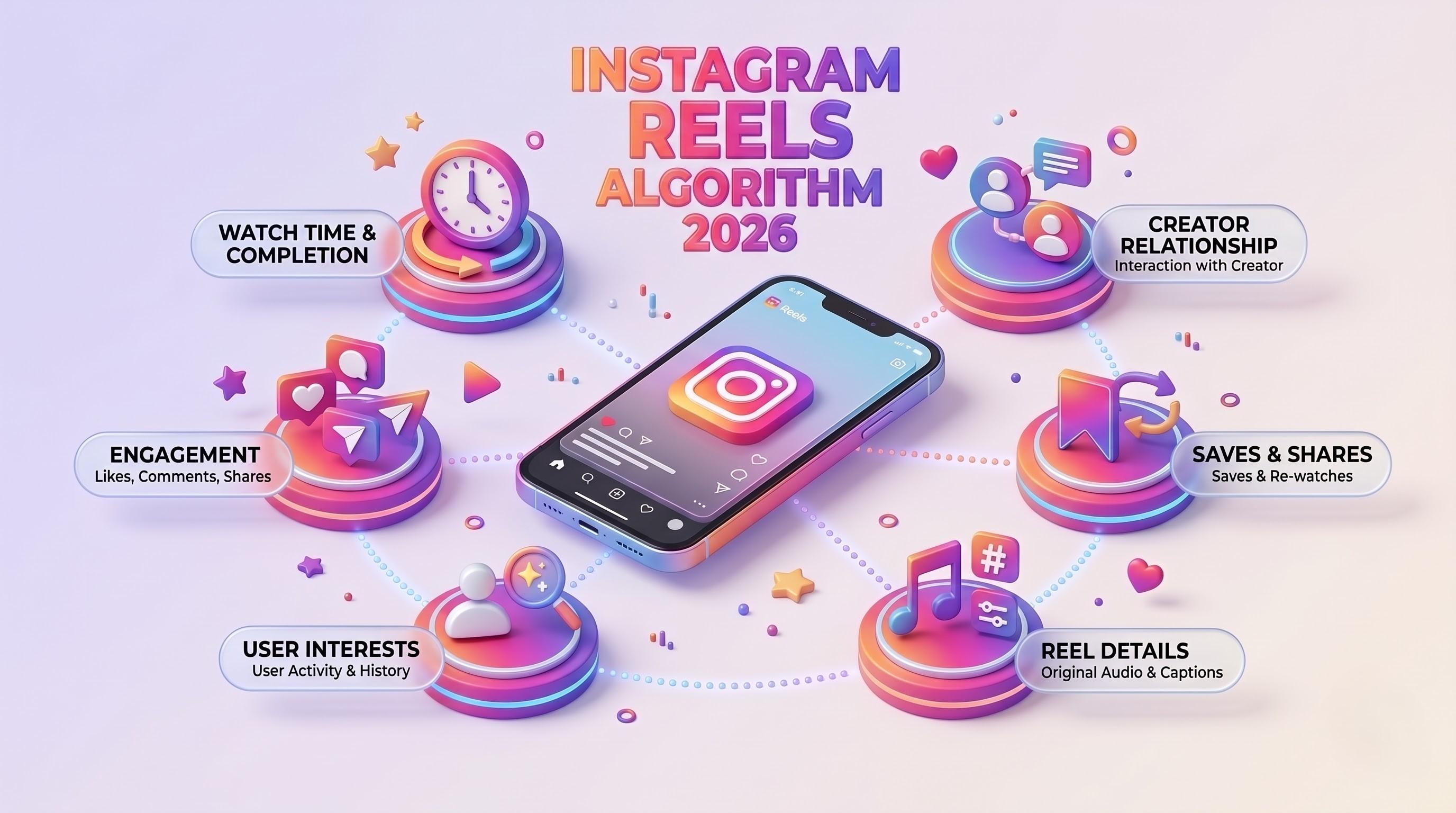
Instagram Reels Algorithm 2026: A Simple Guide for Tech-Savvy Teams
The Instagram Reels algorithm in 2026 ranks videos by watch time, DM sends and likes per reach. This easy guide explains how Reels are tested, what changed recently, and a practical checklist for developers, marketers, CTOs and product teams.

Business Corporate Intranets: A Simple Guide for Tech Teams
Business corporate intranets give every employee one secure place for news, files, people and tools. This easy guide covers features, architecture, security and a step-by-step build plan for CTOs, developers, testers and marketers.
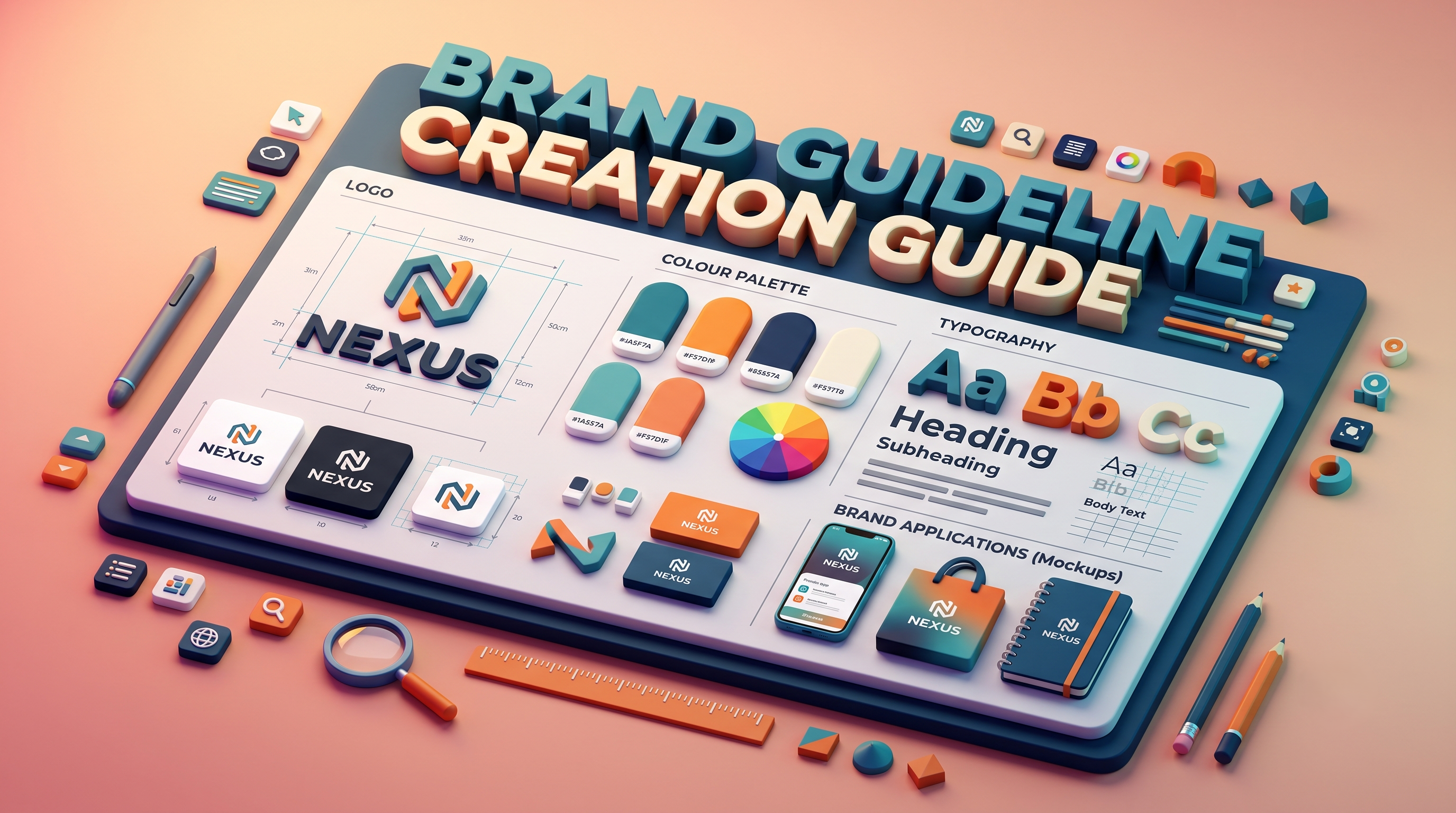
Brand Guideline Creation: A Step-by-Step Guide for Tech Brands
Brand guideline creation turns your logo, colours, fonts and voice into one clear rulebook for designers, developers, testers and marketers. This easy guide covers the core components, an 8-step process, design tokens for code, and how to connect your brand to SEO and AI.