
Table of Contents
In the current era of Generative AI and Search Generative Experience (SGE), the old adage "Content is King" is incomplete. Today, Value is King, and Distribution is the Kingdom. Content marketing isn't just about writing blogs; it’s about creating a strategic asset that lowers your Customer Acquisition Cost (CAC) over time. While traditional outbound marketing stops working the moment you stop paying for ads, a well-optimized content strategy-backed by a professional Digital Marketing Agency continues to generate leads while you sleep.
According to recent data, content marketing generates 3x more leads than traditional marketing while costing 62% less. But why do most businesses fail? Because they produce "noise" instead of "solutions."
Section 1: The ROI of Content Marketing – Why Strategy Trumps Luck
Many brands treat content as a checkbox exercise. However, high-performing content is a financial investment.
1.1 The Cost-Benefit Analysis
When you invest in quality content, you are building "Digital Real Estate." Each blog post is a storefront. By utilizing expert SEO Services, you ensure that these storefronts are located on the "Main Street" of Google Search Results Pages (SERPs).
1.2 The Compound Effect
Unlike PPC, where traffic drops to zero the moment the budget ends, content marketing has a compounding effect. A post written today can still provide 40% of your leads three years from now if it targets "Evergreen" keywords.
Section 2: Building a Data-Driven Content Strategy
Before writing a single word, you must align your content with user intent. There are four types of intent:
- Informational: "What is content marketing?"
- Navigational: "Cinute Infomedia services"
- Commercial: "Best content marketing agencies"
- Transactional: "Hire a content writer"
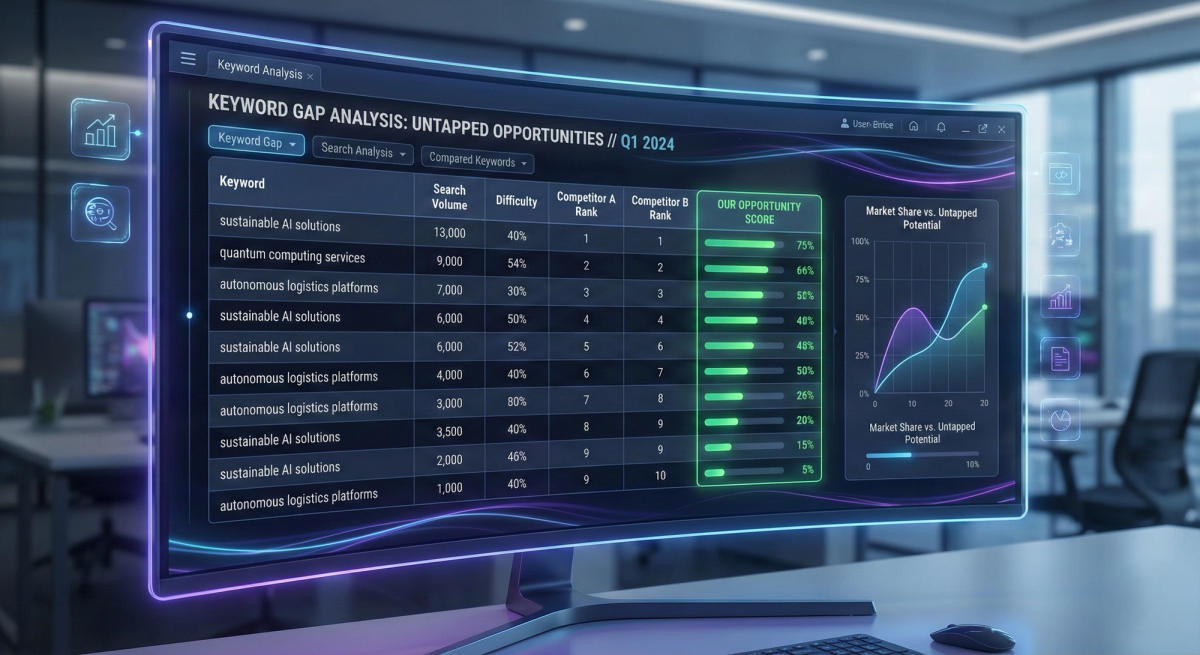
2.1 Competitive Gap Analysis
Don't just replicate what your competitors are doing. Use tools like semrush or A hrefs to find "Content Gaps"-topics your competitors haven't covered or have covered poorly. This is where a specialized Social Media Marketing strategy comes in, allowing you to see what topics are trending socially but lacking depth in search.
Section 3: High-Performing Content Types for 2024
Not all content is created equal. To dominate the SERPs, you need a mix of the following:
3.1 The "Powerhouse" Long-Form Blog (2,000+ Words)
Long-form content is proven to:
- Rank higher for long-tail keywords.
- Earn 77% more backlinks than short articles.
- Establish "Topical Authority."
3.2 Video Content & The "Shorts" Revolution
Video is no longer optional. Incorporating video into your blogs increases "Dwell Time," a critical SEO ranking factor. If you lack the internal resources, partnering for Web Development can help integrate seamless video players and interactive elements into your UI.
3.3 Interactive Content (The Engagement Booster)
Calculators, quizzes, and polls generate 2x more conversions than static content. They provide immediate value to the user while giving you precious first-party data.
Section 4: The Technical Side of Content (SEO & Analytics)
You can write the best article in the world, but if Google can't crawl it, or it loads too slowly, it won't rank.
4.1 Schema Markup
Use Article and FAQ Schema to help search engines understand the context of your page. This increases the chances of appearing in "Featured Snippets."
4.2 Tracking Performance
As shown in the snippet below, tracking is vital. You should monitor:
- CTR (Click-Through Rate): Are your titles catchy?
- Bounce Rate: Is the content relevant?
- Conversion Rate: Is the content driving business?
JavaScript
// Pro-Tip: Track how far users scroll to see where you lose their interest const trackContentEngagement = (articleId) => { window.addEventListener('scroll', () => { const scrollPercent = (window.scrollY / document.body.scrollHeight) * 100; if(scrollPercent > 75) { analytics.track('deep_engagement', { id: articleId }); } }); };

Section 5: Masterful Content Distribution
"Build it and they will come" is a lie in digital marketing. You need a distribution engine.
- Owned Channels: Your email newsletter is your most valuable asset. It’s the only platform you truly own.
- Earned Channels: Guest posting on high-authority sites to build backlinks.
- Paid Channels: Using Meta Ads or LinkedIn Ads to "kickstart" the momentum of a new piece of content.
To ensure your website can handle the influx of traffic from these channels, ensure your PPC Management and hosting infrastructure are optimized for speed.
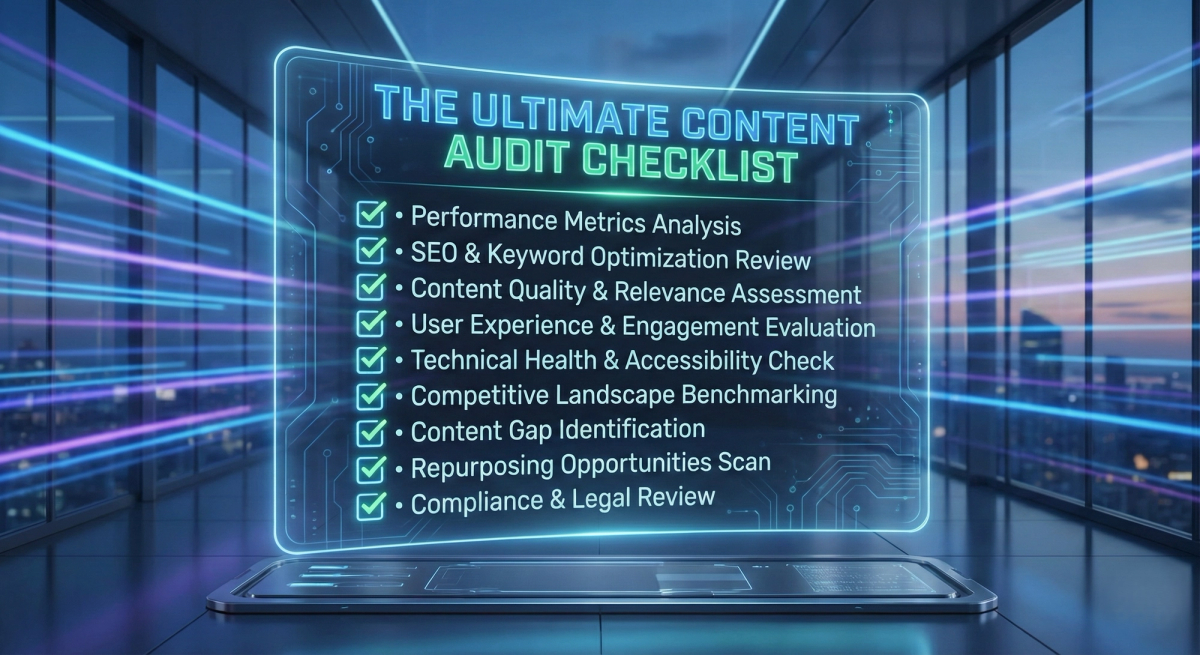
Section 6: Content Optimization Checklist (The Senior Analyst’s Secret)
To ensure your blog hits the 2,000-word mark and provides value, follow this framework:
- The Hook: Start with a shocking statistic or a relatable pain point.
- The Meat: Use H2 and H3 tags to break up text. No paragraph should be longer than 3 lines.
- The Proof: Cite case studies and real-world examples.
- The Action: Every section should end with a "Key Takeaway."
Section 7: Common Pitfalls to Avoid
- Keyword Stuffing: Modern NLP (Natural Language Processing) algorithms like Google's BERT will penalize you for over-optimization. Write for humans, optimize for bots.
- Ignoring Mobile: Over 60% of your readers are on mobile. If your charts aren't responsive, they will leave.
- Lack of Internal Linking: Internal links pass "Link Juice." If you don't link to your service pages, you're missing out on SEO equity.
Section 8: Future-Proofing Your Strategy with AI
AI tools like ChatGPT should be used for brainstorming and outlining, not for final output. To maintain your brand voice:
- Use AI to generate headlines.
- Use humans to add personal anecdotes and "Expertise."
- Use SEO tools to audit the final draft.

Conclusion: Turning Content into Revenue
Content marketing is a marathon, not a sprint. By focusing on high-quality, long-form content, optimizing for technical SEO, and distributing through the right channels, you build an unstoppable marketing engine.
Consistency is the secret ingredient. Whether you are a local business or a global enterprise, the principles remain the same: Provide more value than you take.
Ready to scale your organic growth? At Cinute Infomedia, we specialize in crafting bespoke digital journeys that convert visitors into loyal advocates. Let’s build your kingdom together.
Related Articles

Instagram Reels Algorithm 2026: A Simple Guide for Tech-Savvy Teams
The Instagram Reels algorithm in 2026 ranks videos by watch time, DM sends and likes per reach. This easy guide explains how Reels are tested, what changed recently, and a practical checklist for developers, marketers, CTOs and product teams.

Business Corporate Intranets: A Simple Guide for Tech Teams
Business corporate intranets give every employee one secure place for news, files, people and tools. This easy guide covers features, architecture, security and a step-by-step build plan for CTOs, developers, testers and marketers.
Brand Guideline Creation: A Step-by-Step Guide for Tech Brands
Brand guideline creation turns your logo, colours, fonts and voice into one clear rulebook for designers, developers, testers and marketers. This easy guide covers the core components, an 8-step process, design tokens for code, and how to connect your brand to SEO and AI.